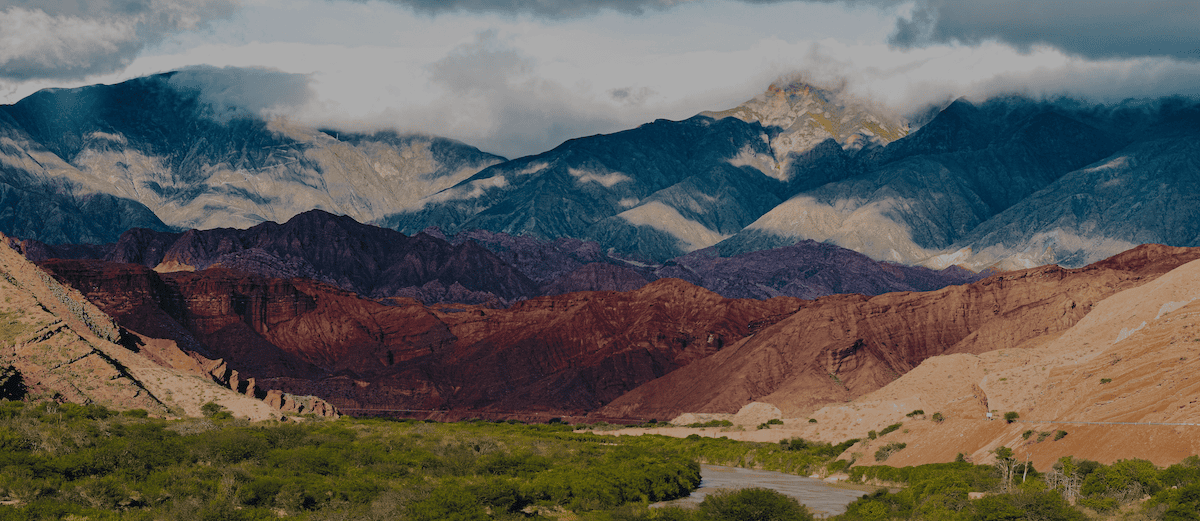
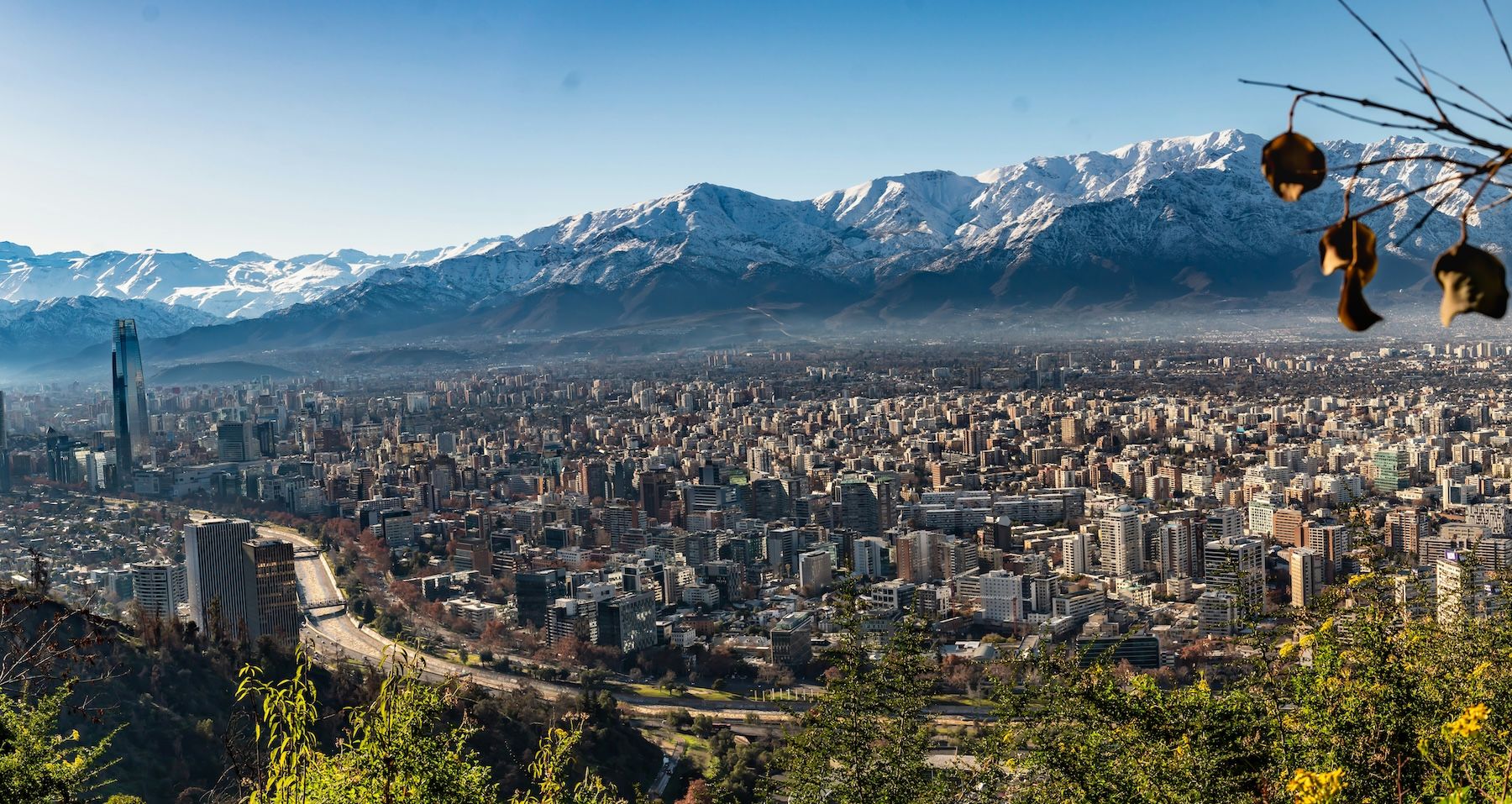
Set in a broad valley framed by the majestic Andes and the Chilean Coastal Range, Santiago is a city of striking contrasts. Modern and energetic yet deeply rooted in tradition, Chile’s capital blends grand architecture, bustling markets, and historic plazas into a cultural landscape shaped by centuries of history.
For those wondering what to do in Santiago, the city presents a unique mix of historic landmarks, distinctive neighbourhoods, and immersive experiences that reflect Chile’s identity through food, art, and music.
From the lively stalls of Mercado Central to the panoramic views from Cerro San Cristóbal, and from the stately La Moneda Palace to the charming streets of Barrio Bellavista, there is something to suit every style of traveller.
Whether strolling through leafy parks, reflecting at the Museum of Memory and Human Rights, or soaking up Santiago’s vibrant nightlife, visitors encounter a city full of stories, flavours, and traditions. This comprehensive guide highlights the best attractions in Santiago, the top things to see and do, and practical tips to help you plan a safe, memorable, and culturally enriching visit.
Explore Historic Landmarks in Santiago
Santiago’s streets, plazas, and landmark buildings reveal the city’s colonial origins, political history, and artistic identity. Founded in the 16th century and shaped by centuries of change, the capital preserves its past through heritage sites that continue to draw large numbers of visitors.
Exploring Santiago’s historic landmarks provides a clear window into Chile’s past, while showcasing the energy of its modern capital.
Plaza de Armas
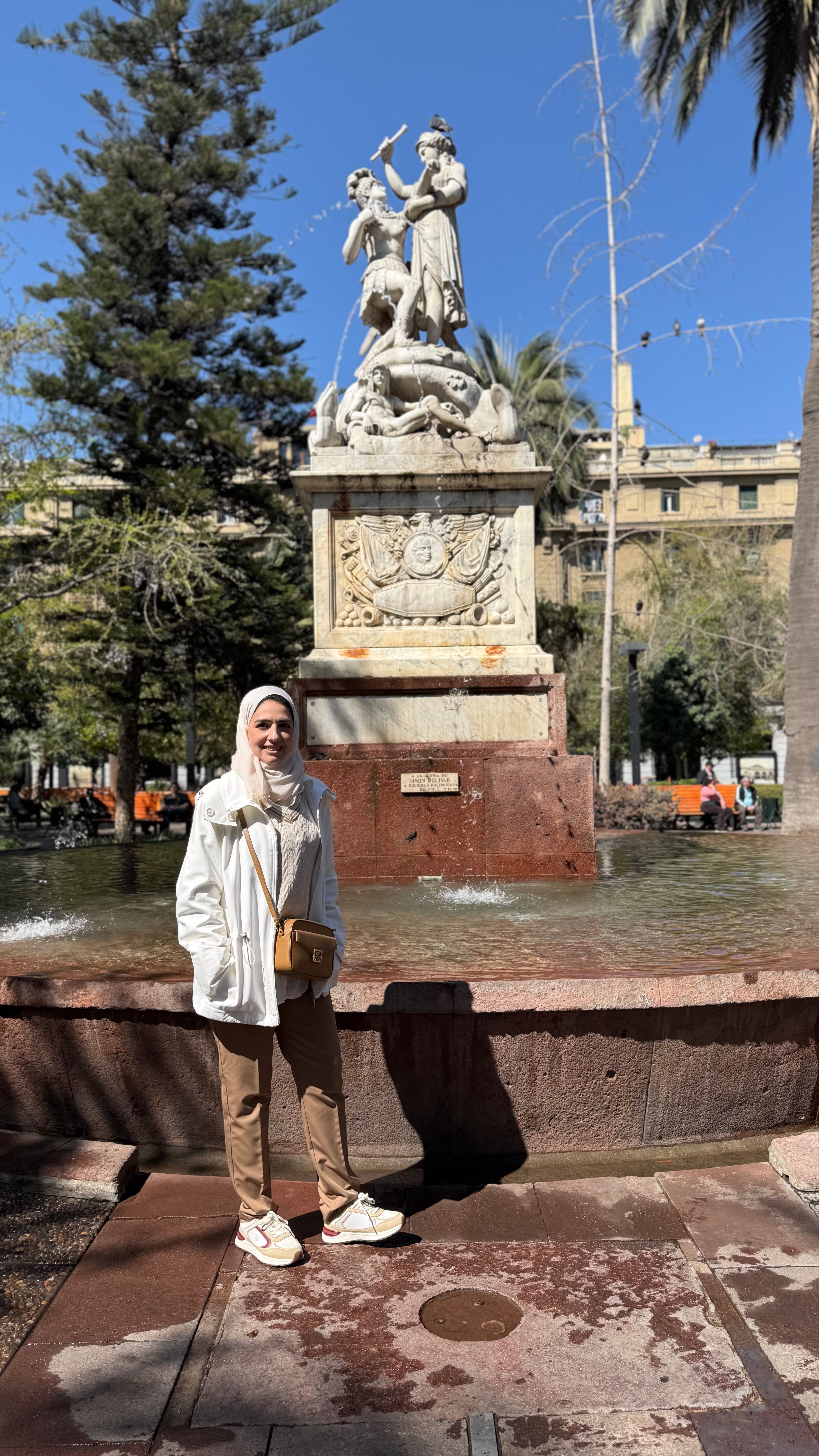
Plaza de Armas is the cultural heart of Santiago. Founded in 1541 by Pedro de Valdivia, the square has long served as a centre of political, religious, and social life in the capital.
It has witnessed pivotal moments in Chilean history, from early independence gatherings to political demonstrations of the 19th and 20th centuries. Framed by colonial-era architecture, including the Santiago Metropolitan Cathedral and the Central Post Office, the plaza reflects the city’s layered past.
Plaza de Armas remains one of Santiago’s most visited landmarks, known for its convivial atmosphere, street performers, artists, and cafés. Its central location and open layout make it an ideal starting point for exploring Santiago’s historic centre.
During national celebrations such as Fiestas Patrias on 18th September, the square comes alive with music, dance, and food, reflecting its central role in Chilean tradition.
La Moneda Palace
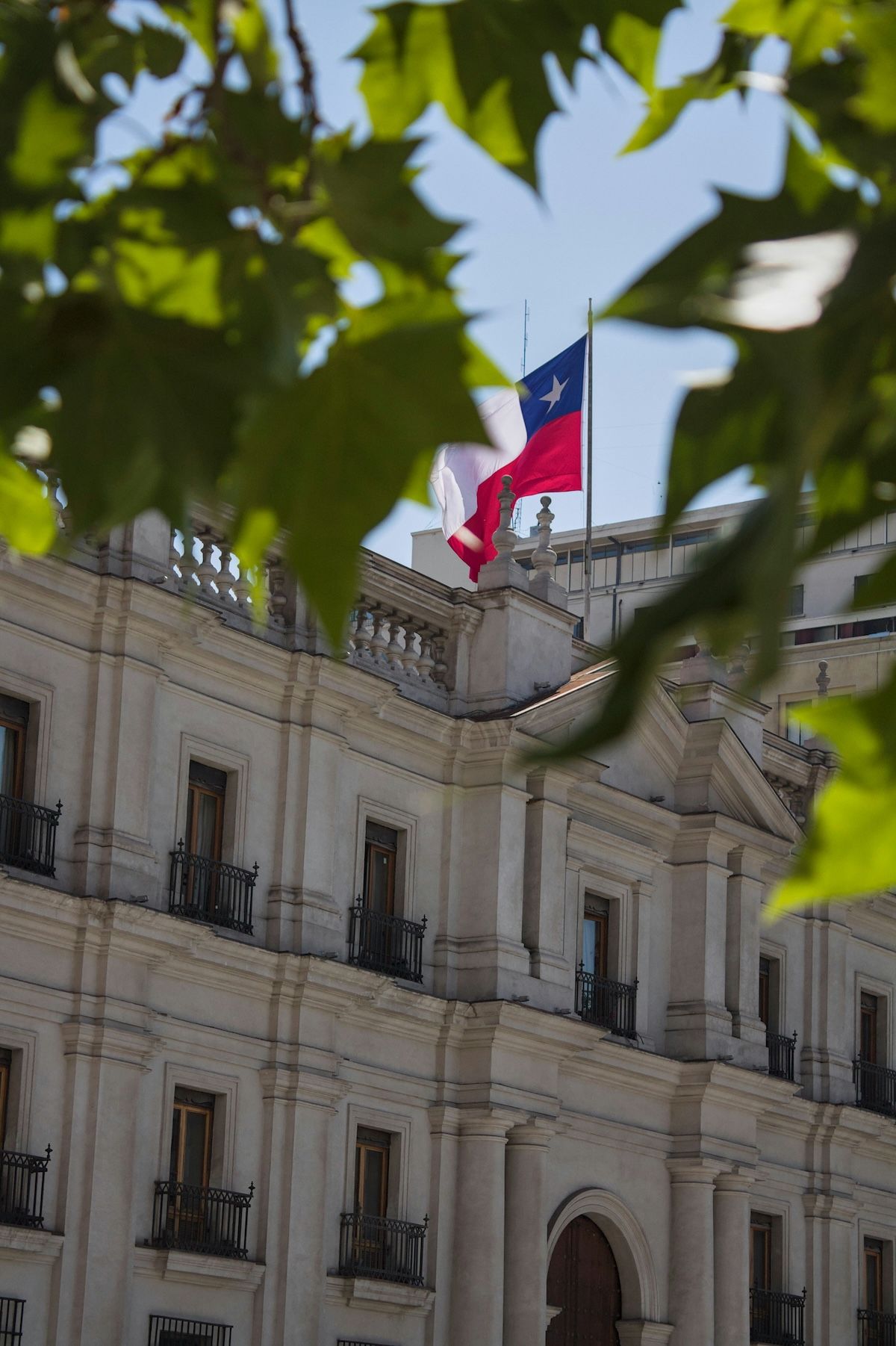
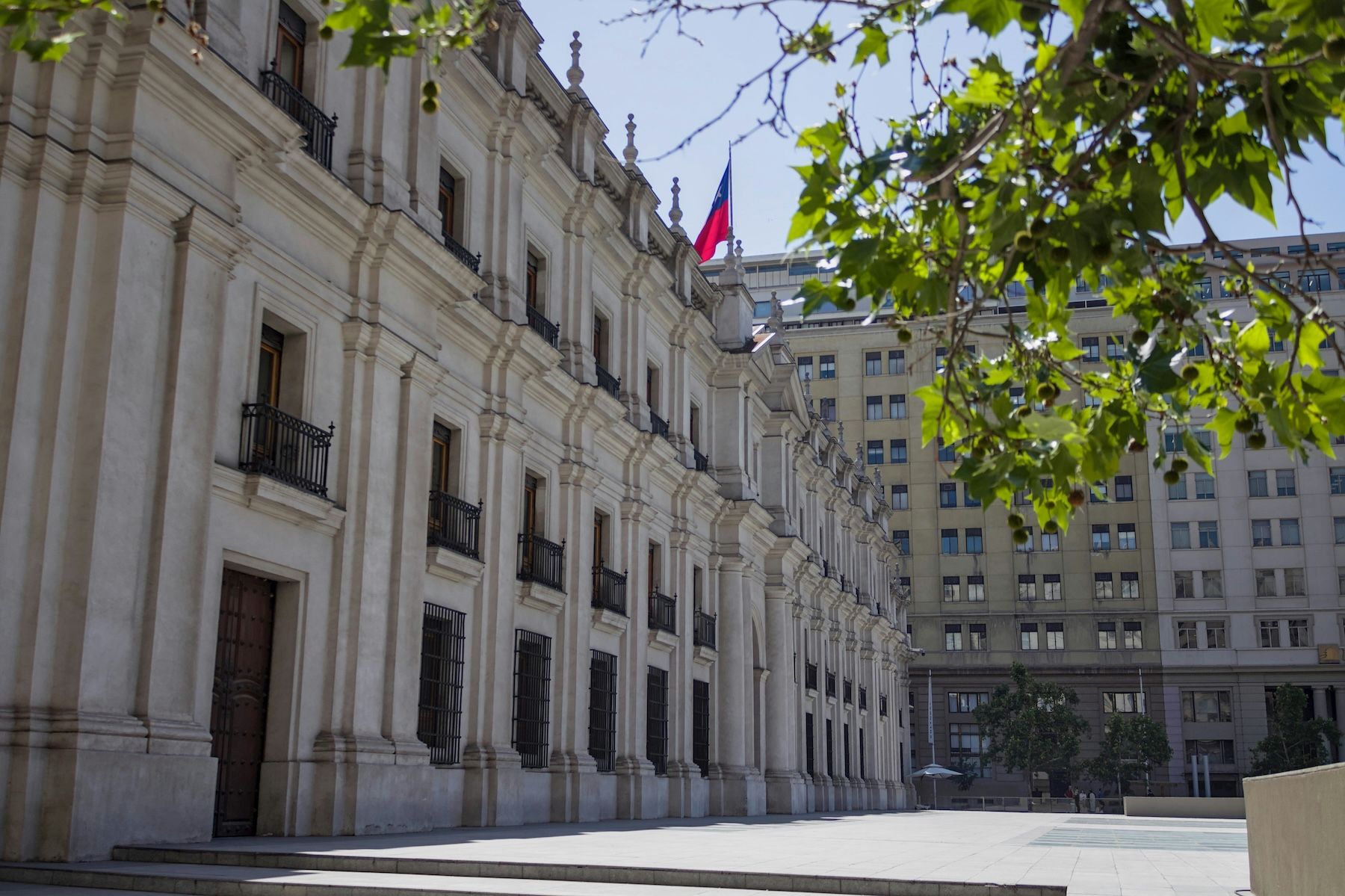
La Moneda Palace (Palacio de la Moneda) is one of Santiago’s most significant historic buildings and a powerful symbol of Chile’s political history. Designed by Italian architect Joaquín Toesca in the late 18th century, its neoclassical design reflects strong European influence in early Chilean civic architecture.
Originally home to the national mint, the palace became the official seat of the Chilean presidency in 1846. It has since played a central role in the nation’s story, most notably during the 1973 military coup, and remains an important venue for present-day government functions.
Visitors can enter La Moneda Palace through free guided tours, reserved in advance via the official government portal. Tours, available in English and Spanish, provide rare access to state rooms and exhibits, offering insights into Chilean history and the ceremonial traditions that continue within the palace walls.
Outside the palace, visitors can witness the ceremonial Changing of the Guard, held in the Plaza de la Constitución every other day, usually at 10:00 am on weekdays and 11:00 am on weekends.
Below ground, the Centro Cultural Palacio de La Moneda hosts rotating exhibitions and programming that enhance understanding of Chilean history and arts. This blend of political function and cultural engagement makes La Moneda an essential stop for visitors interested in Chilean culture.
Cerro Santa Lucía
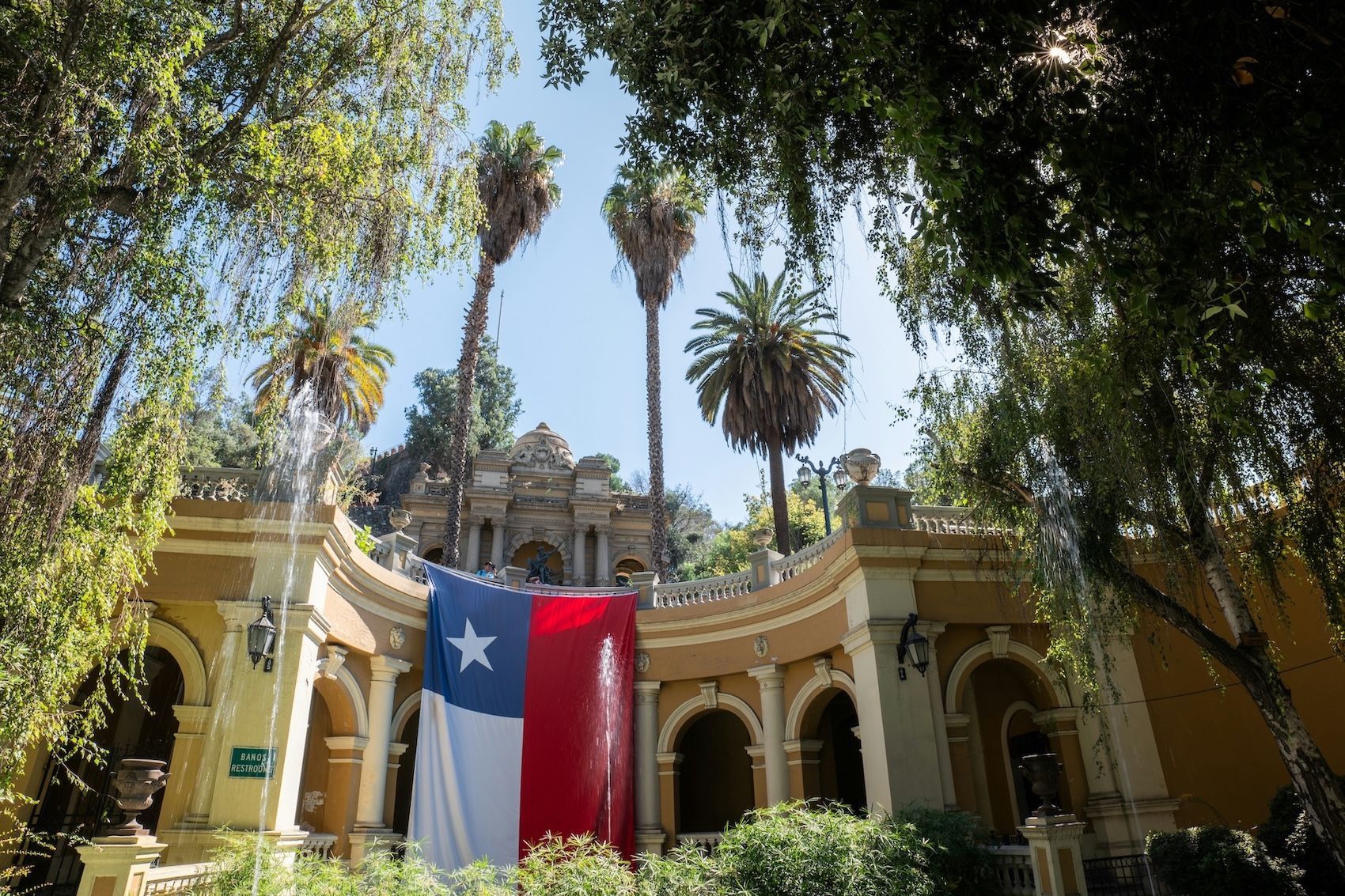
Cerro Santa Lucía, or Santa Lucía Hill, is a peaceful green oasis in the middle of Santiago. Originally called Huelén by the Indigenous Picunche people, it served as a strategic lookout long before the arrival of the Spanish settlers. Then, during the city’s founding in 1541, it was used as a defensive point by Pedro de Valdivia.
In the late 19th century, Mayor Benjamín Vicuña Mackenna transformed the rugged hill into the landscaped park seen today. Climbing its paths rewards visitors with sweeping city views framed by the Andes, along with historic monuments and colonial-era fortifications. Cerro Santa Lucía remains a popular urban retreat for both locals and visitors.
Mercado Central
Santiago’s Mercado Central is a feast for the senses and a cornerstone of the city’s culinary culture. Known for its fresh seafood and lively atmosphere, it has been a centre of commercial and social life since the 19th century.
Inaugurated in 1872, the market is housed beneath a striking iron-and-glass structure crafted in Scotland and assembled in Chile. Originally built to support the capital’s rapidly growing population, it is still thriving today, with stalls overflowing with fresh local produce.
Mercado Central is especially renowned for seafood sourced daily from the nearby coastline, including congrio (eel), machas (razor clams), and locos (Chilean abalone). Dining here is part of the experience, with ceviche, grilled reineta and caldillo de congrio, the iconic fish stew immortalised by poet Pablo Neruda, among the must-try dishes. Beyond these local delicacies, the market offers a snapshot of everyday Chilean life.
Cerro San Cristóbal
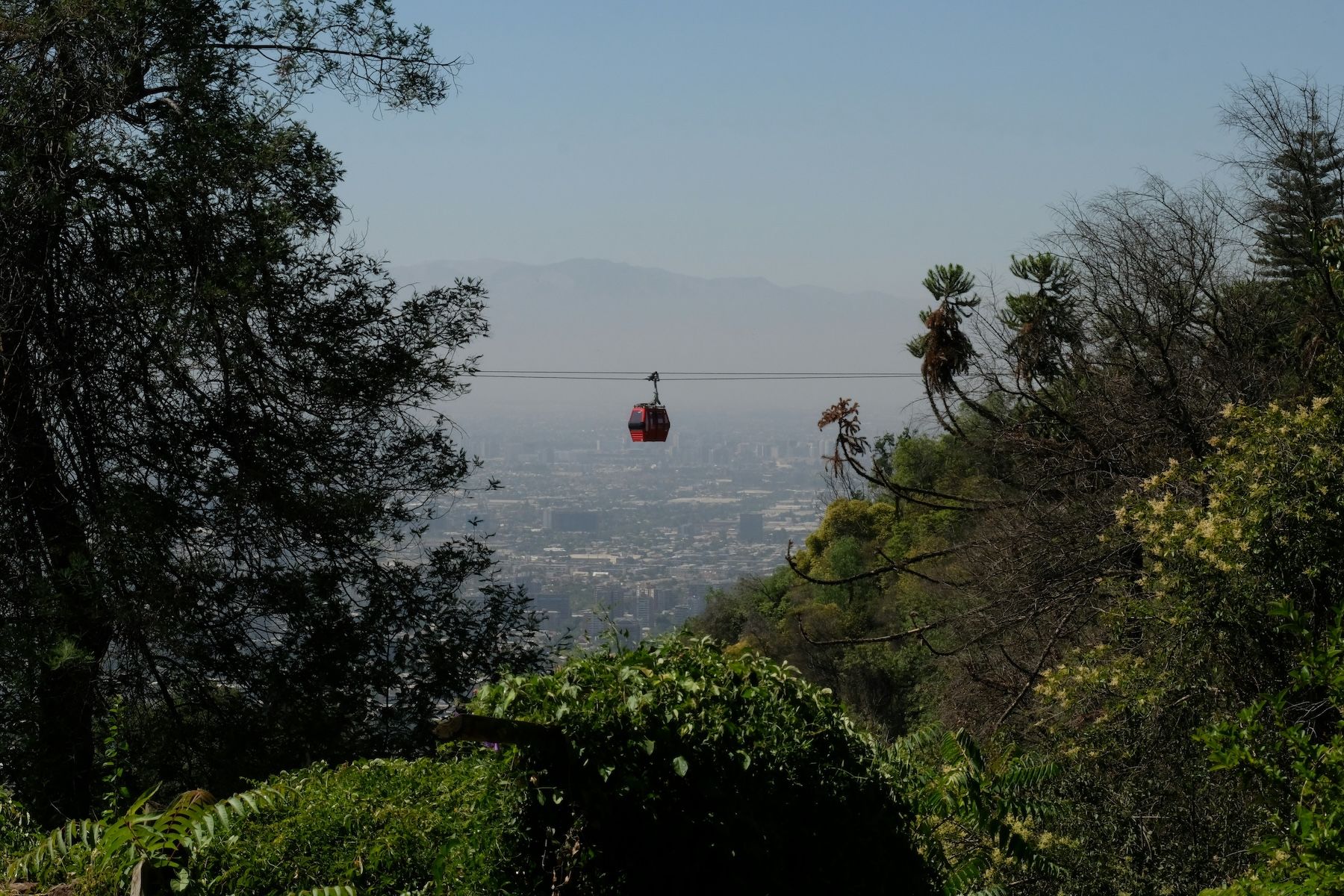
Cerro San Cristóbal rises above Santiago within Parque Metropolitano, one of the world’s largest urban parks. One of the city’s most popular green spaces, the summit can be reached by funicular, cable car, bike, or hiking trail, rewarding visitors with breathtaking views over the cityscape and mountains.
At the top, a 14-metre Virgin Mary statue overlooks the city, alongside viewpoints and recreational areas that make the hill a favourite with families, photographers, and outdoor enthusiasts.
Barrio Paris-Londres
Barrio Paris-Londres feels like a hidden gem in central Santiago, with its recognisable ivy-clad façades, and early 20th-century European-inspired architecture influenced by French and British design. Its quiet lanes invite leisurely strolls, photography, and relaxed stops at boutique cafés, offering a peaceful contrast to the city’s busier districts.
Modern Attractions and Activities
Beyond its historic neighbourhoods and parks, Santiago reveals a cosmopolitan city shaped by sleek architecture, innovative cuisine, creative districts, and contemporary art spaces.
Sky Costanera
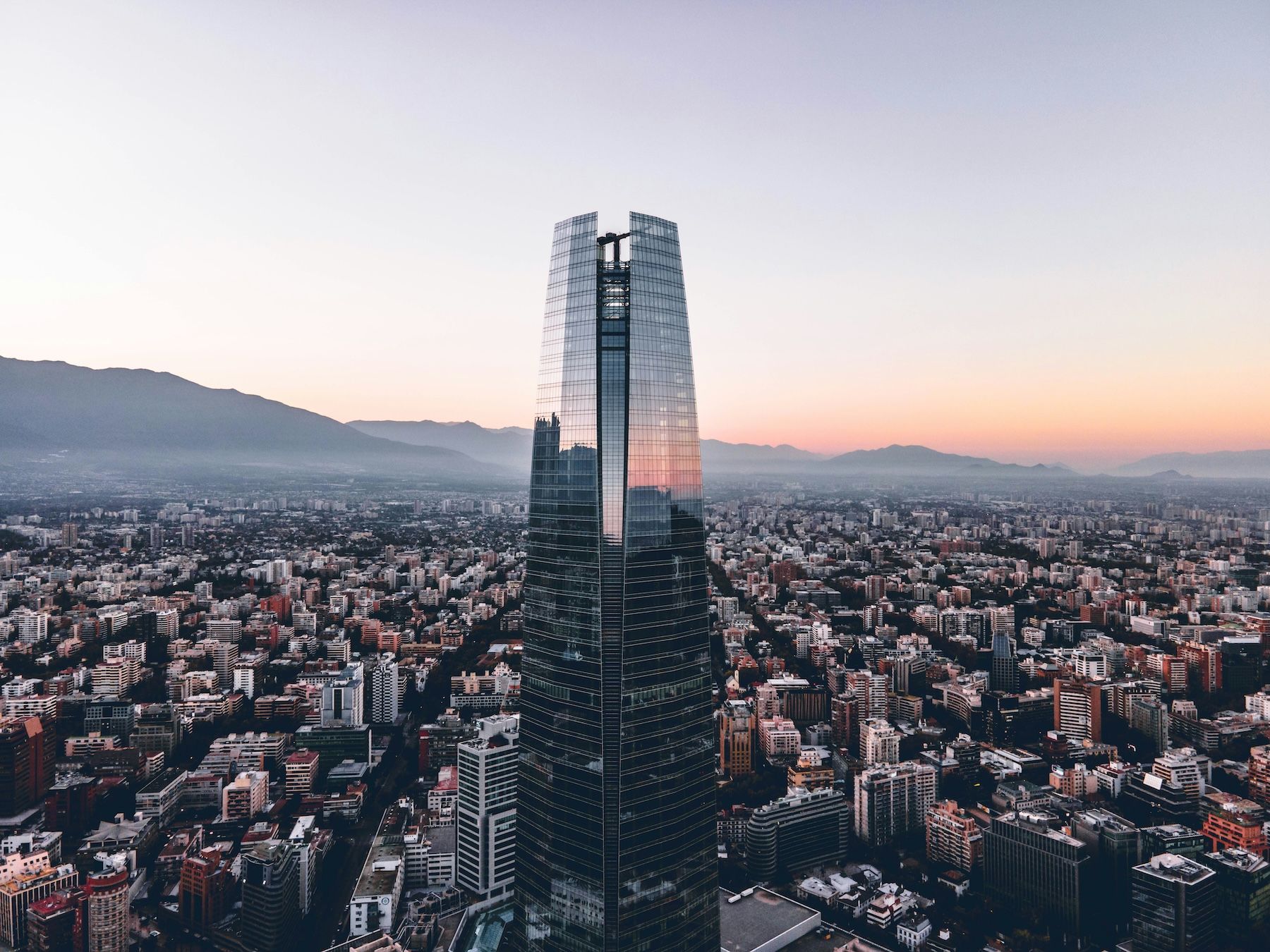
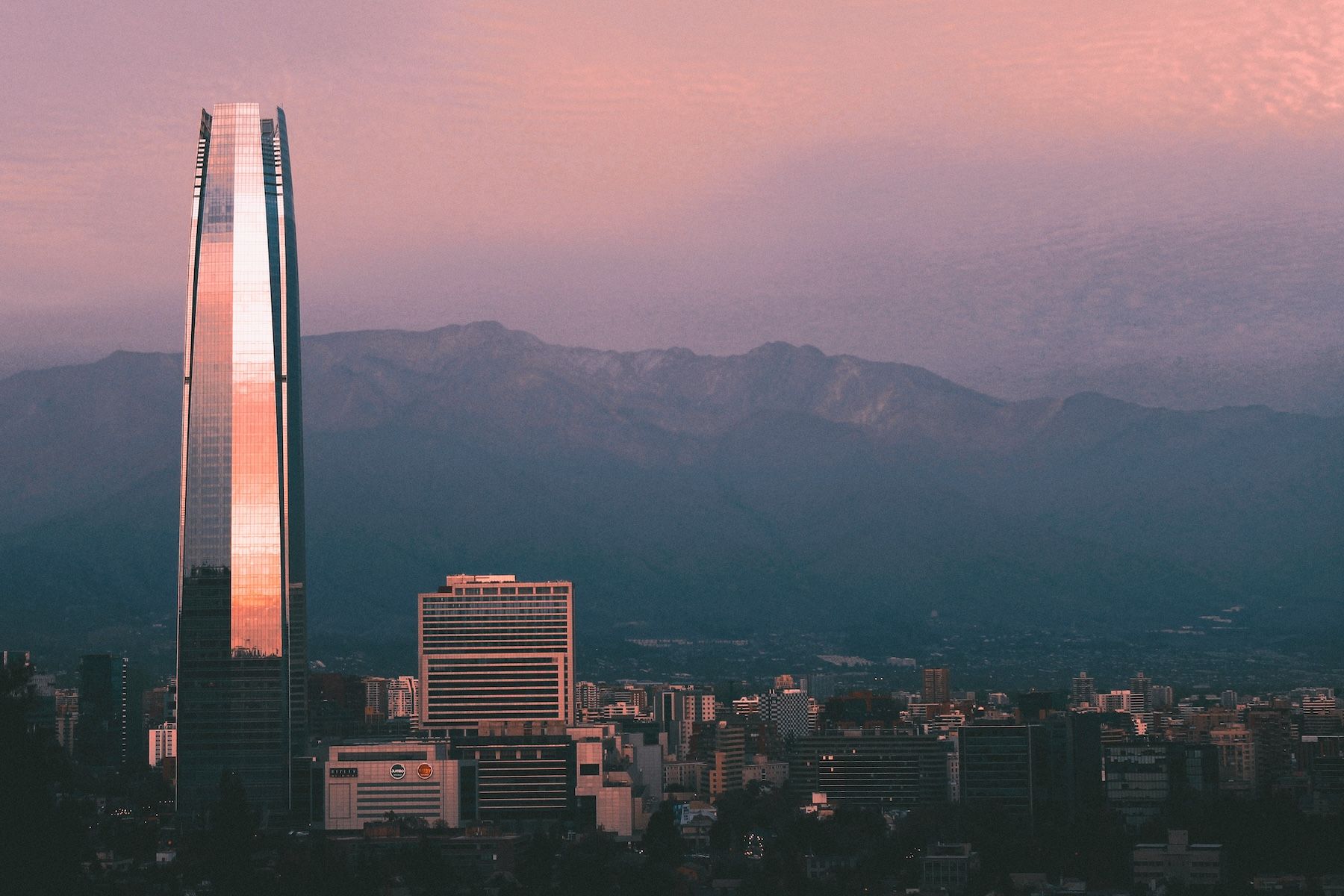
At 300 metres tall, the Costanera Tower is South America’s tallest building. Completed in 2013, its sleek design contrasts with the city’s colonial architecture, symbolising Santiago’s rise as a global capital.
The Sky Costanera observation deck on the 61st and 62nd floors offers 360° views of the city and the snow-capped Andes beyond. Visitors can enjoy coffee, light bites, guided tours, and special events. Open daily from 10:00 am to 10:00 pm (last entry 9:00 pm), tickets are available online in advance via the Sky Costanera website.
Shopping and Dining in Barrio Italia
Once a quiet industrial area, Barrio Italia has evolved into one of Santiago’s trendiest districts. Its streets are lined with independent boutiques, design studios, antique shops, and galleries showcasing Chilean art and craftsmanship, including handmade furniture, jewellery and ceramics.
The neighbourhood is also home to plenty of relaxed cafés, bakeries, and restaurants. With walkable streets and a creative atmosphere, Barrio Italia reflects Santiago’s embrace of local production, slow living, and community-focused urban renewal.
Exploring the Maipo Valley
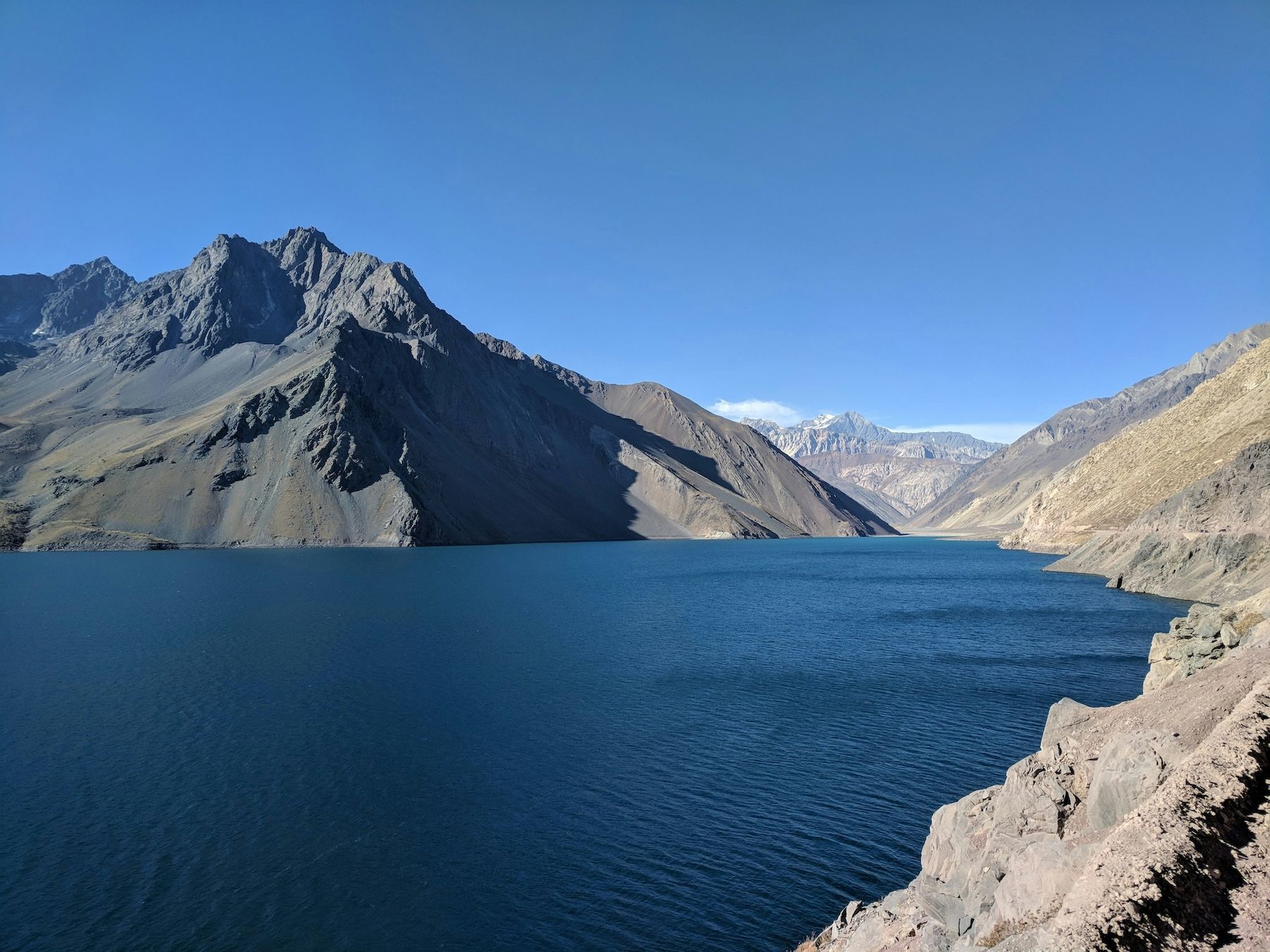
A short drive from Santiago, the Maipo Valley is a gateway to central Chile’s striking landscapes, framed by the Andes and dotted with rolling hills, rivers, and plains. The region is rich in cultural and agricultural traditions, with historic estates, vineyards, and farms offering guided visits to explore local agriculture and rural life.
Cajón del Maipo, a dramatic gorge within the valley, is a haven for outdoor enthusiasts, featuring forested trails, rivers, rock formations, and panoramic viewpoints for hiking, horse riding, rafting, or simply taking in the rugged mountain scenery. Natural hot springs, reservoirs, and lookout points add to the appeal. Whether wandering through small villages, meeting artisans, or venturing deeper into the Andes, Maipo Valley offers an unforgettable escape into Chile’s natural and cultural heartland, within easy reach of Santiago.
Day Trip from Santiago to Valparaíso
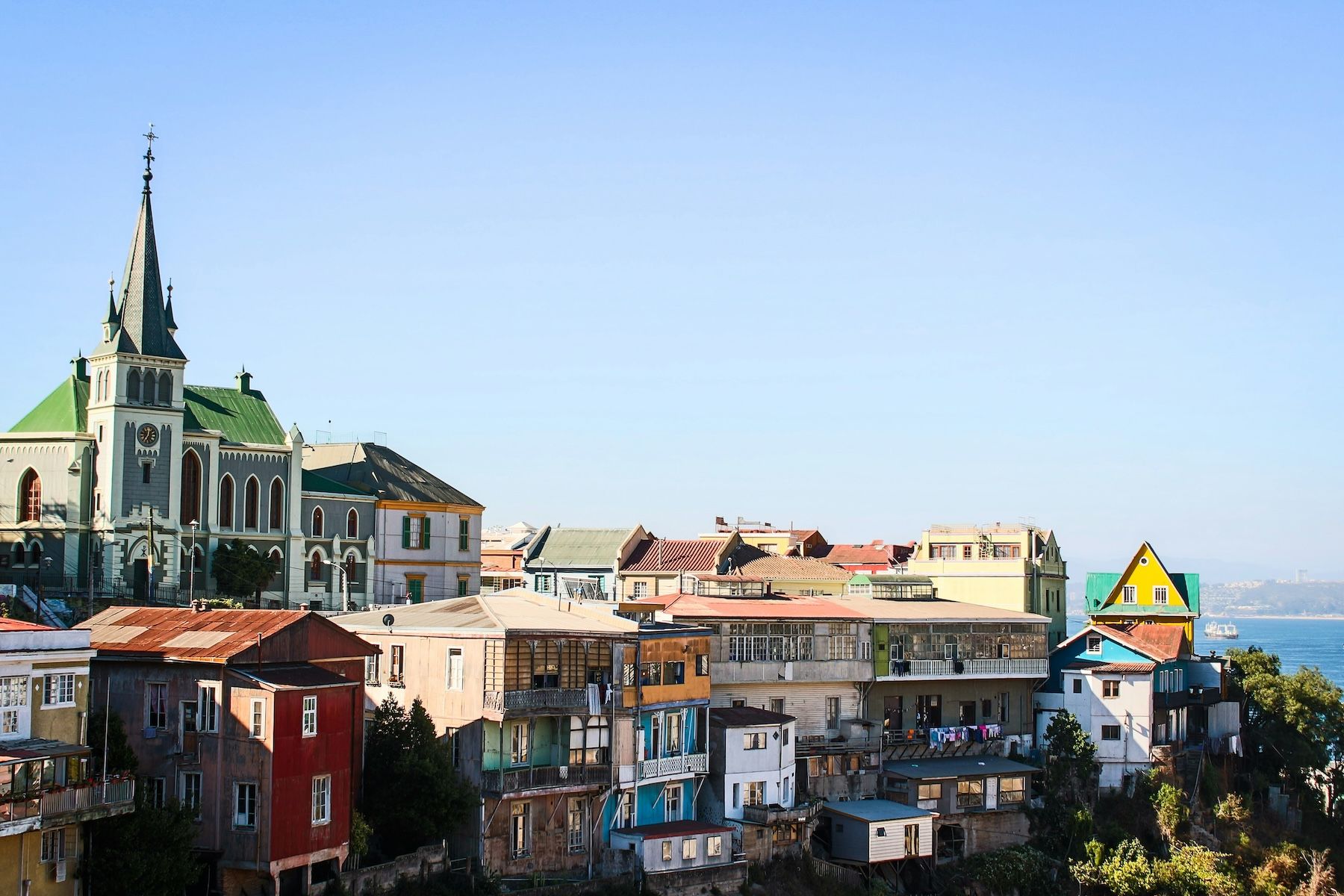
Just under two hours from Santiago by bus or train, UNESCO World Heritage city Valparaíso makes an ideal day trip for travellers eager to explore Chile’s maritime culture. The seaport city on central Chile's Pacific coast is known for its colourful hillside homes, seafood markets, and traditional funiculars.
Valparaíso’s playful, artistic atmosphere has long inspired poets, painters, and musicians. Wander the cobbled streets, explore independent galleries and boutiques, and climb to hilltop viewpoints like Paseo Gervasoni or Cerro Concepciónfor sweeping views of the Pacific. Don’t miss Pablo Neruda’s La Sebastiana, the poet’s quirky seaside home filled with eclectic collections, with stunning sea views.
With frequent buses and trains connecting Santiago and Valparaíso in under two hours, you can easily spend a full day soaking up the city’s atmosphere, historic architecture, and coastal scenery without staying overnight.
Cultural Experiences in Santiago
There are so many things to do in Santiago, from visiting museums and galleries to theatres, festivals, and bustling traditional markets. Here are some of the foremost cultural institutions to explore:
Chilean Museum of Pre-Columbian Art
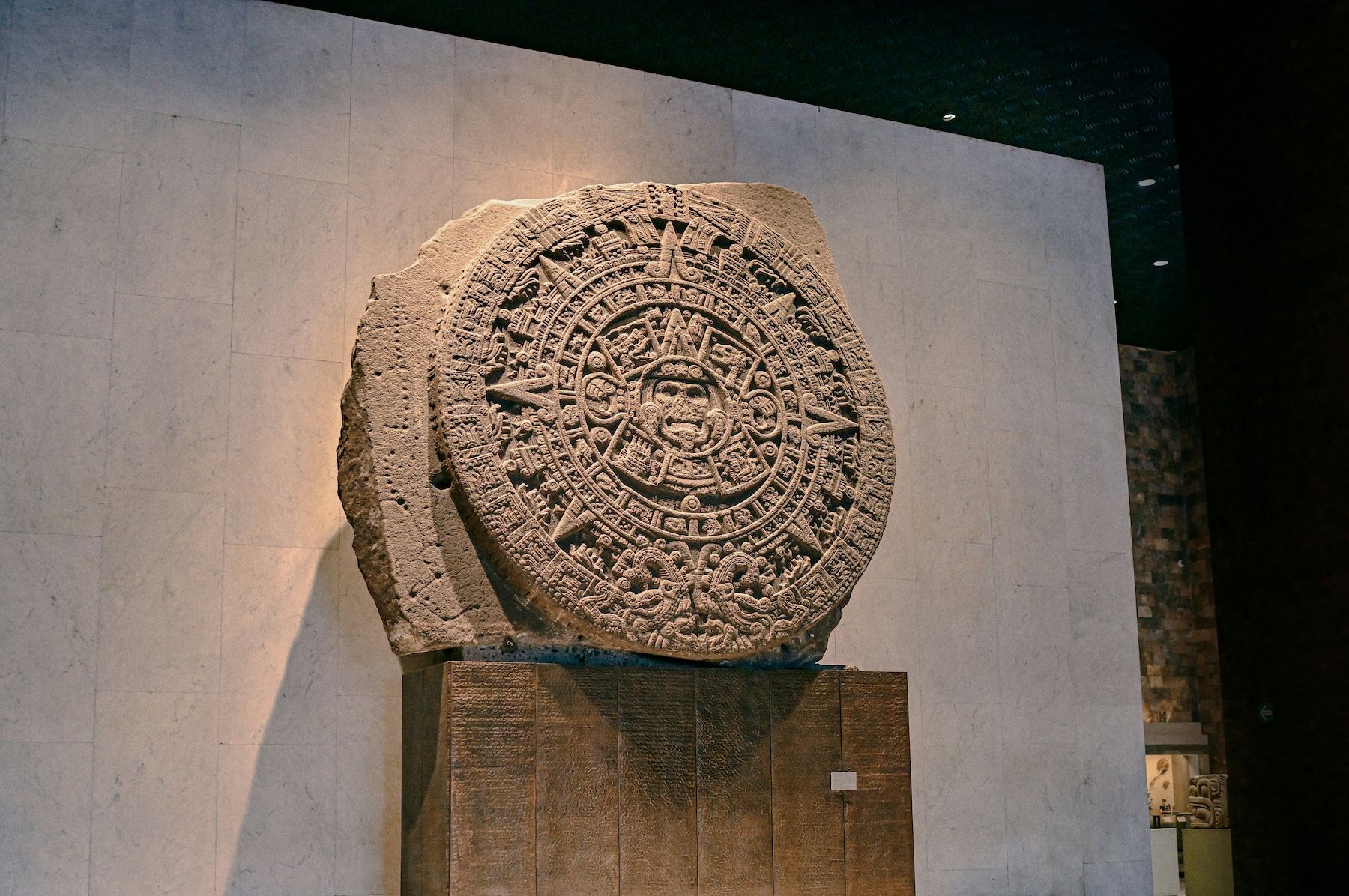
Located near Plaza de Armas, the Chilean Museum of Pre-Columbian Art preserves and celebrates the rich cultural heritage of Latin America. Its extensive collection spans thousands of years and features artefacts from civilisations such as the Inca, Aymara, Mapuche, Moche, and other indigenous peoples.
Visitors can explore textiles, pottery, ceremonial objects, and carvings, each revealing insights into pre-Columbian societies. Interactive displays and detailed explanations provide context, underlining the significance of each piece and the broader trade, cultural, and spiritual networks of the time.
The museum plays a vital role in preserving Latin American history, acting as a centre for research and public education. Temporary exhibitions and special events also regularly spotlight contemporary indigenous art.
Visitor Information:
The museum is open daily and offers guided tours in Spanish and English. It is easily accessible by public transport and there is a café and gift shop featuring artisan crafts. The Chilean Museum of Pre-Columbian Art is an essential stop for anyone seeking a deeper understanding of the region’s heritage.
Museum of Memory and Human Rights
The Museum of Memory and Human Rights (Museo de la Memoria y los Derechos Humanos) in Santiago is an institution documenting Chile’s turbulent history under the military dictatorship of 1973 to 1990.
The museum preserves the memory of human rights violations, honours victims, and encourages reflection on justice, democracy, and the ongoing importance of human rights in Chile and worldwide.
Visitors can spend several hours exploring the institution’s thoughtfully curated spaces. The museum’s moving and thought-provoking permanent exhibitions include photographs, detailed chronologies of the coup and dictatorship, interactive displays depicting personal stories of survivors, and installations exploring political repression and the search for justice.
The architecture itself is symbolic, with open corridors and light-filled galleries designed to encourage contemplation. In addition to the permanent exhibits, the museum regularly hosts temporary exhibitions, educational workshops, and film screenings that deepen understanding of human rights issues both in Chile and globally.
Visitor Information:
The museum is located in the Quinta Normal district, easily accessible by public transport. It is open Tuesday to Sunday, with free admission for all visitors. Guided tours are available in Spanish and English and provide deeper insights into the exhibits and wider context.
Chilean Museum of Fine Arts
Located near Parque Forestal, the Chilean Museum of Fine Arts (Museo Nacional de Bellas Artes) boasts an impressive collection ranging from classical European paintings to modern and contemporary art from Chile.
Highlights include works by European masters such as Giovanni Battista Tiepolo and José Gil de Castro, alongside iconic Chilean artists like Pedro Lira, Alfredo Valenzuela Puelma, and Claudio Bravo.
The museum regularly organises exhibitions, workshops, and events, making it a vibrant centre for creative expression and a loved destination for art enthusiasts in Santiago.
Centro Cultural Gabriela Mistral
The Centro Cultural Gabriela Mistral (GAM) stands as one of Santiago’s most important artistic hubs, showcasing the city’s active cultural life and creating a platform for local and international talent. GAM has become a dynamic centre for the arts, hosting theatre productions, concerts, dance shows, film screenings, and visual art exhibitions.
Originally built in 1972 to host the United Nations Conference on Trade and Development (UNCTAD III), it soon became a cultural venue. Following the 1973 military coup, the regime closed the centre and repurposed it as government offices. A significant fire in 2006 further damaged the structure, prompting a major restoration and redesign that emphasised openness and inclusivity.
The renovated building reopened in 2010, reclaiming its role as a public space for culture. Its contemporary architecture combines open-plan spaces with functional design, facilitating creativity and dialogue.
Visitors can attend performances, explore visual art exhibitions, or participate in creative workshops. Regular festivals, artist talks, and community events make GAM a popular destination for audiences of all ages. The centre is named after Gabriela Mistral, Chile’s Nobel Prize-winning poet and diplomat, celebrated for her contributions to literature, education, and social causes.
Barrio Bellavista
Barrio Bellavista, Santiago’s bohemian quarter, is famed for its colourful street art, theatres, nightlife, and arts venues. Its streets are filled with bars, restaurants, and creative spaces, making it a hotspot for locals and visitors alike.
The neighbourhood is also home to La Chascona, Pablo Neruda’s quirky former residence, offering insight into the life of Chile’s beloved Nobel Prize-winning poet. Bellavista perfectly captures Santiago’s artistic spirit.
Barrio Lastarria
Barrio Lastarria is a charming neighbourhood known for its cobbled streets, art deco buildings, and cultural scene. Its European-inspired architecture, bold street art, and outdoor sculptures create a lively atmosphere, perfect for strolling, enjoying live music, or soaking in the neighbourhood’s unique character.
Parque Forestal
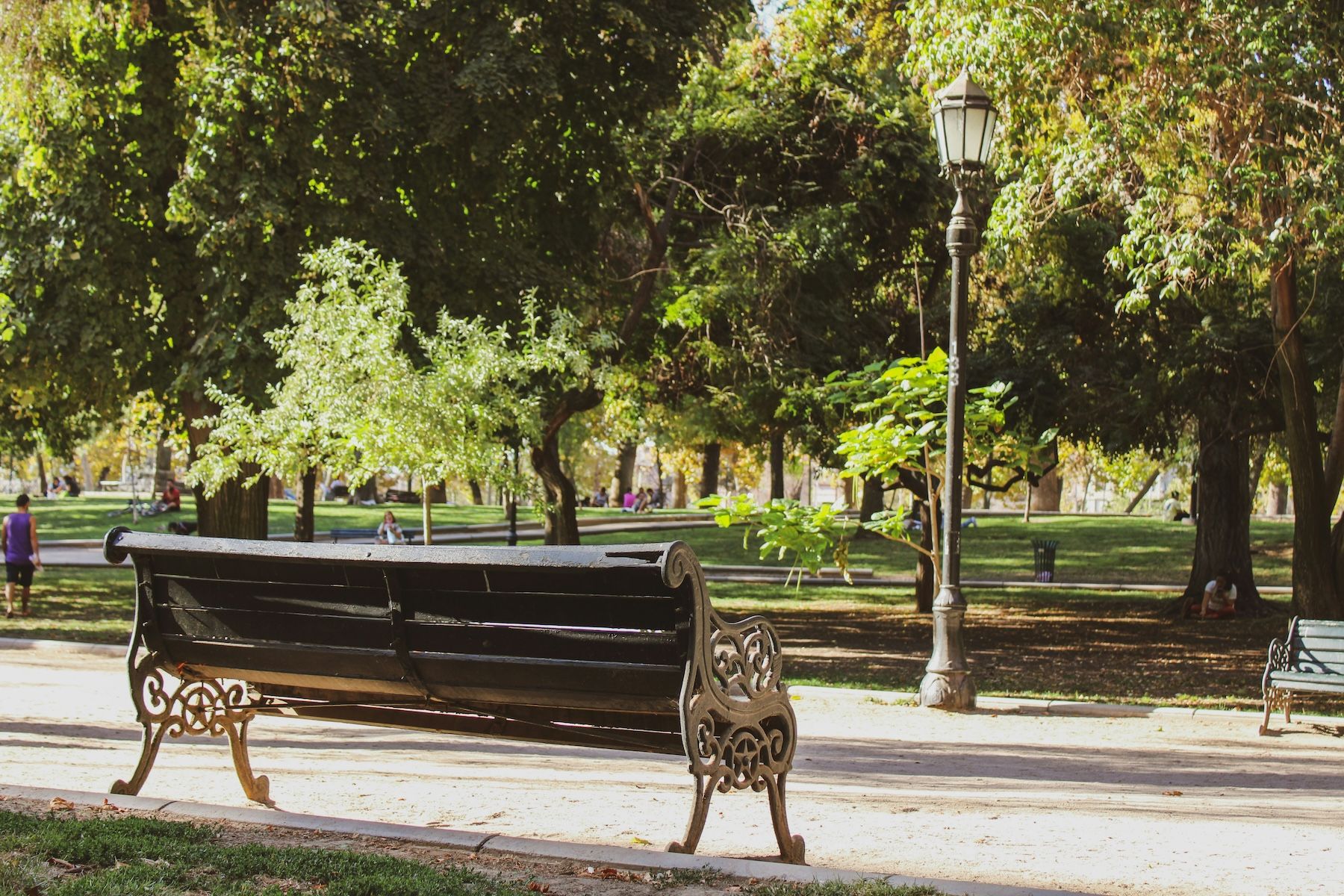
Parque Forestal is a leafy urban retreat running along the Mapocho River, ideal for walking, cycling, or relaxing in the shade. Tree-lined paths, sculptures, and fountains provide a scenic corridor between key cultural institutions, including the Chilean Museum of Fine Arts. Popular with locals for picnics, jogging, and leisurely strolls, the park provides a calm escape in the heart of the city.
Parque Quinta Normal
A favourite among local families, Parque Quinta Normal is a spacious park with a variety of gardens, lakes and playgrounds to enjoy. Home to the National Museum of Natural History, the park makes for a great day out and is also an ideal picnic spot.
Traditional Chilean Cuisine
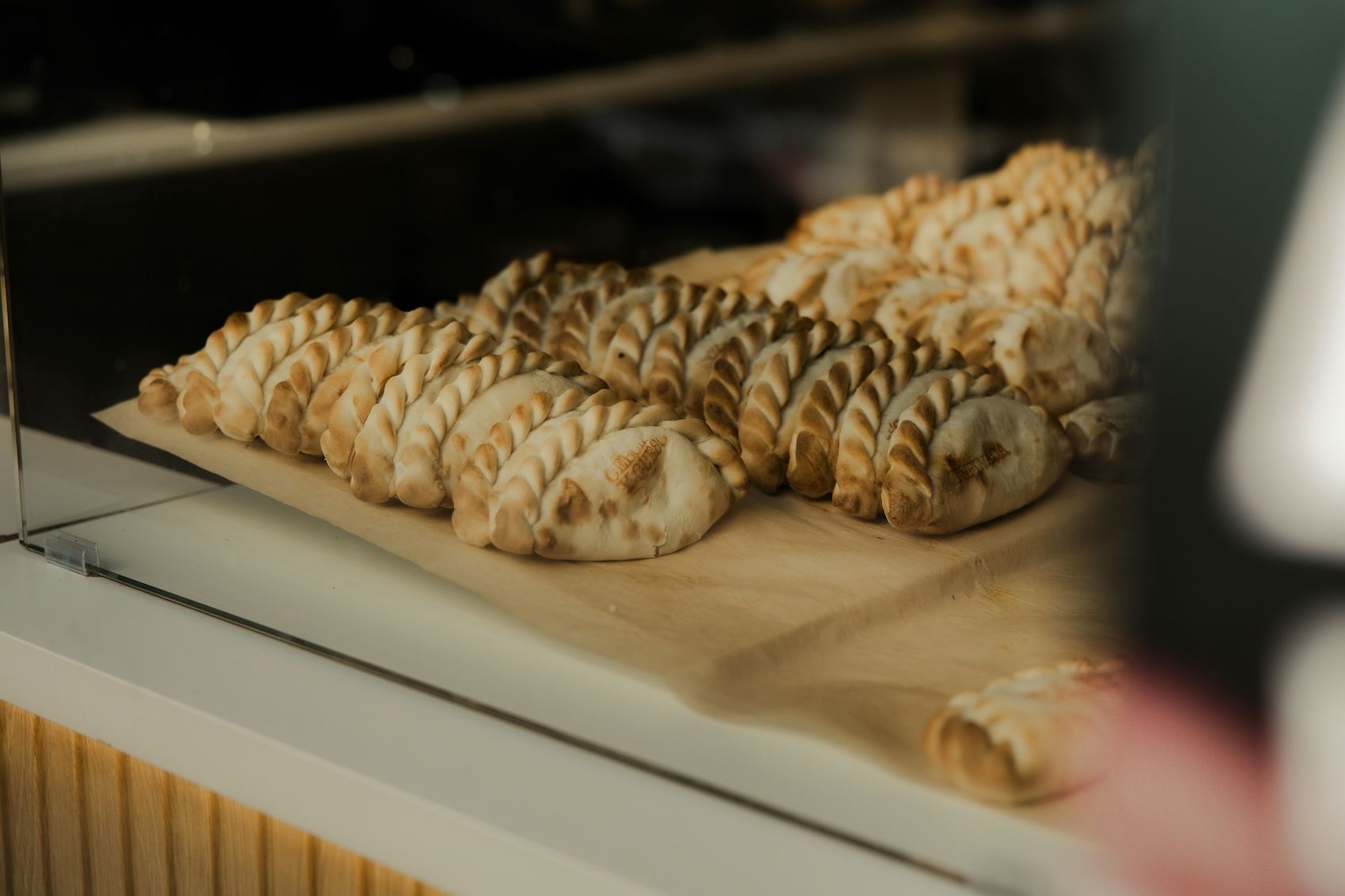
Santiago’s culinary scene showcases Chile’s rich cultural heritage and regional diversity. Must-try dishes include pastel de choclo, a sweet corn and meat pie; empanadas, savoury pastries with fillings like beef, cheese, or seafood; and cazuela, a hearty stew of meat and seasonal vegetables.
Seafood lovers can sample fresh catches from the Pacific, while street food vendors offer local favourites such as completos (Chilean hot dogs) and sopaipillas (fried pumpkin dough). Dining in Santiago offers an authentic window into Chilean life, combining traditional flavours, seasonal ingredients, and contemporary culinary creativity.
Practical Tips for Visitors
Getting around Santiago is straightforward thanks to its well-developed public transport system. The Santiago Metro is efficient, affordable, and connects most major attractions, while the extensive bus network complements areas beyond the metro lines. Taxis and rideshare apps are also widely available. The city’s central neighbourhoods where many historic and cultural sites are clustered, such as Plaza de Armas, Barrio Lastarria, and Bellavista, are all walkable.
For day trips outside the city, buses and tour operators provide easy access to destinations like Valparaíso, Maipo Valley, and Cajón del Maipo, making it simple to explore Santiago and its surroundings without a car.
Is Santiago Safe?
Santiago is generally safe, especially in central and well-trafficked areas. Standard precautions, such as being aware of your surroundings, avoiding isolated streets at night, and securing personal belongings, ensure a smooth visit.
What is the Best Month to Visit Santiago?
The best time to visit Santiago is during spring (September–November) and autumn (March–May), when temperatures are mild and the city is particularly scenic.
Spring brings blooming jacaranda trees and pleasant weather, while autumn offers mild temperatures and colourful foliage. The summer (December–February) can be hot, while winter (June–August) is cooler, quieter, and also a nice time of year for cultural exploration without the crowds.
Experiencing Chile Through Years of Culture
Santiago is a city of contrasts, where historic plazas stand alongside modern skyscrapers, and traditional cuisine meets avant-garde gastronomy. Its blend of history, culture, and innovation makes it a dynamic destination for travellers seeking engaging experiences, vibrant neighbourhoods, and stunning landscapes.
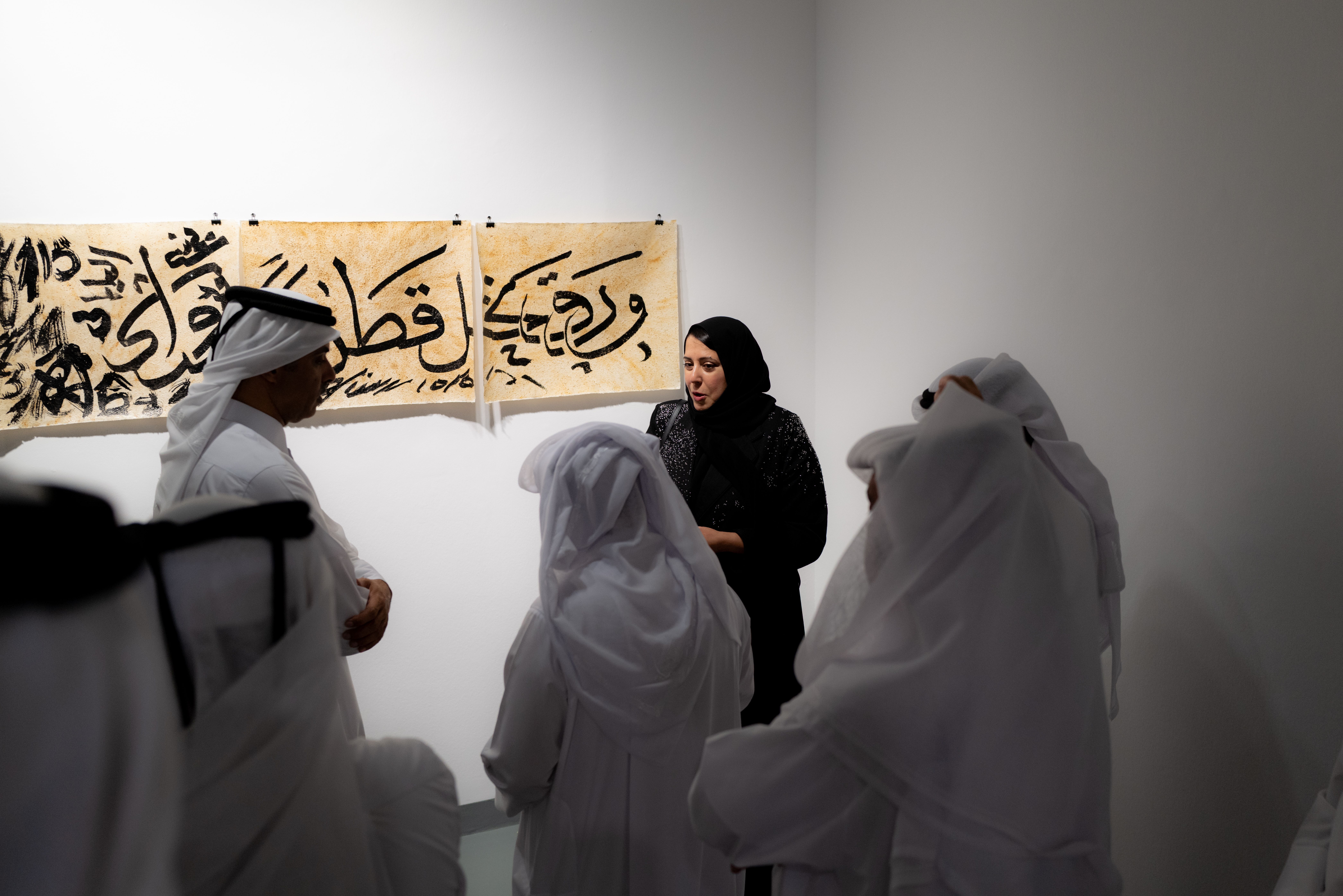
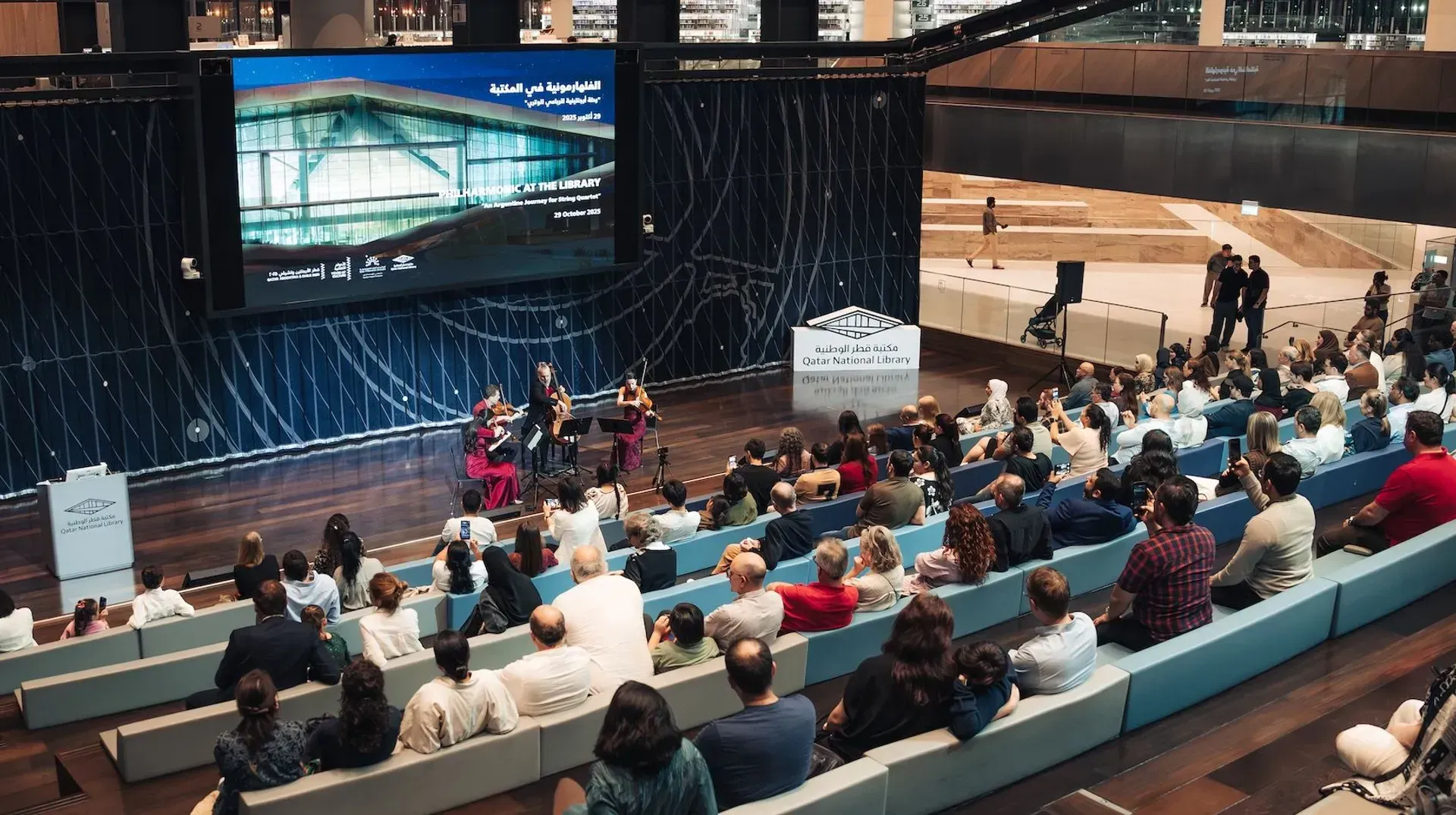
In 2025 the city also took centre stage on the global cultural map during the Qatar, Argentina, and Chile Year of Culture, bringing Chilean creativity and traditions to Doha in exciting and unexpected ways.
In November 2025, a team from Qatar Museums’ Cultural Heritage Protection Department also took part in aconservation trip to Valparaíso, underscoring global efforts to preserve the city’s architectural and cultural heritage. The partnership continues into 2026, when Doha will welcome Club Deportivo Palestino from Santiago, further strengthening cultural ties.
From historic streets and vibrant neighbourhoods to modern attractions and world-class institutions, Santiago offers a layered, unforgettable experience, with the 2025 Year of Culture celebrating Chilean creativity both at home and abroad.
Explore upcoming events in Qatar and find out more about the Qatar, Argentina and Chile 2025 Year of Culture.
More Articles
This website uses cookies for a better experience.