Niagara Falls is one of Canada’s most recognisable natural landmarks and a major destination for visitors from around the world. Located on the international border between Canada and the United States, the Falls attract millions of people each year for their natural features, history and the towns and landscapes that have developed around them.
Many people wonder, are the Niagara Falls in the USA or Canada? The answer is both. The Niagara River forms the boundary between Ontario and New York State, and the Falls themselves are divided between the two countries.
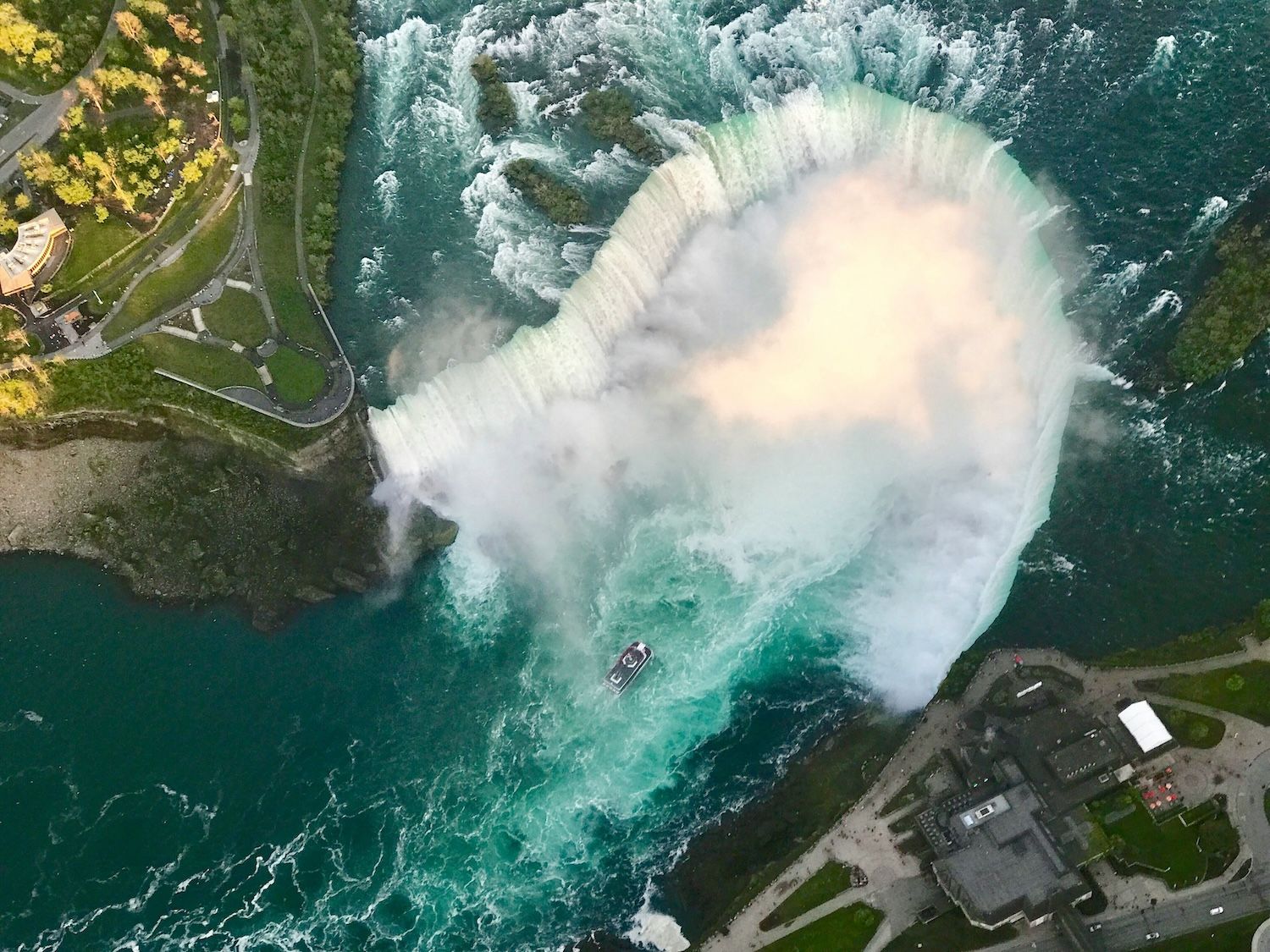
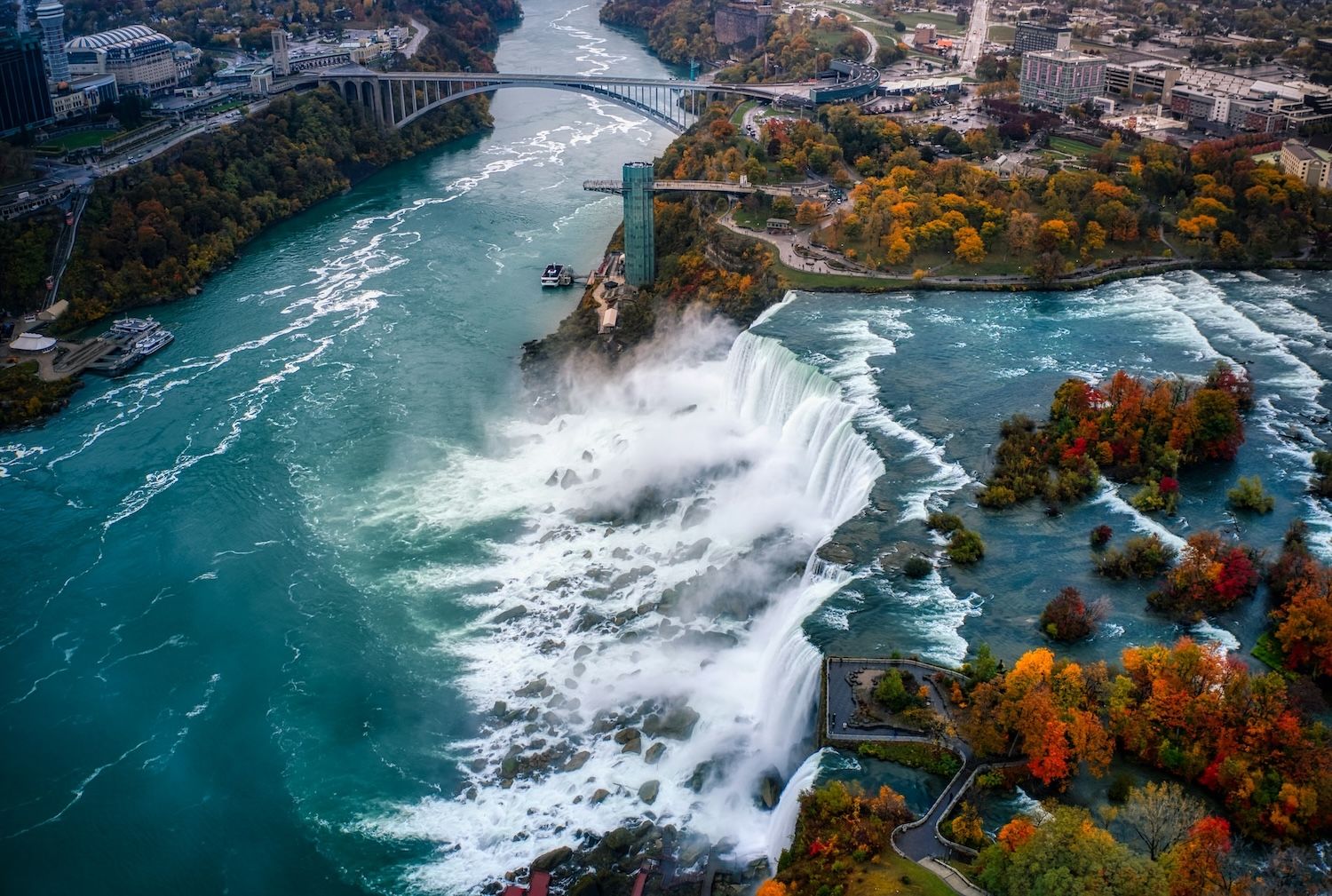
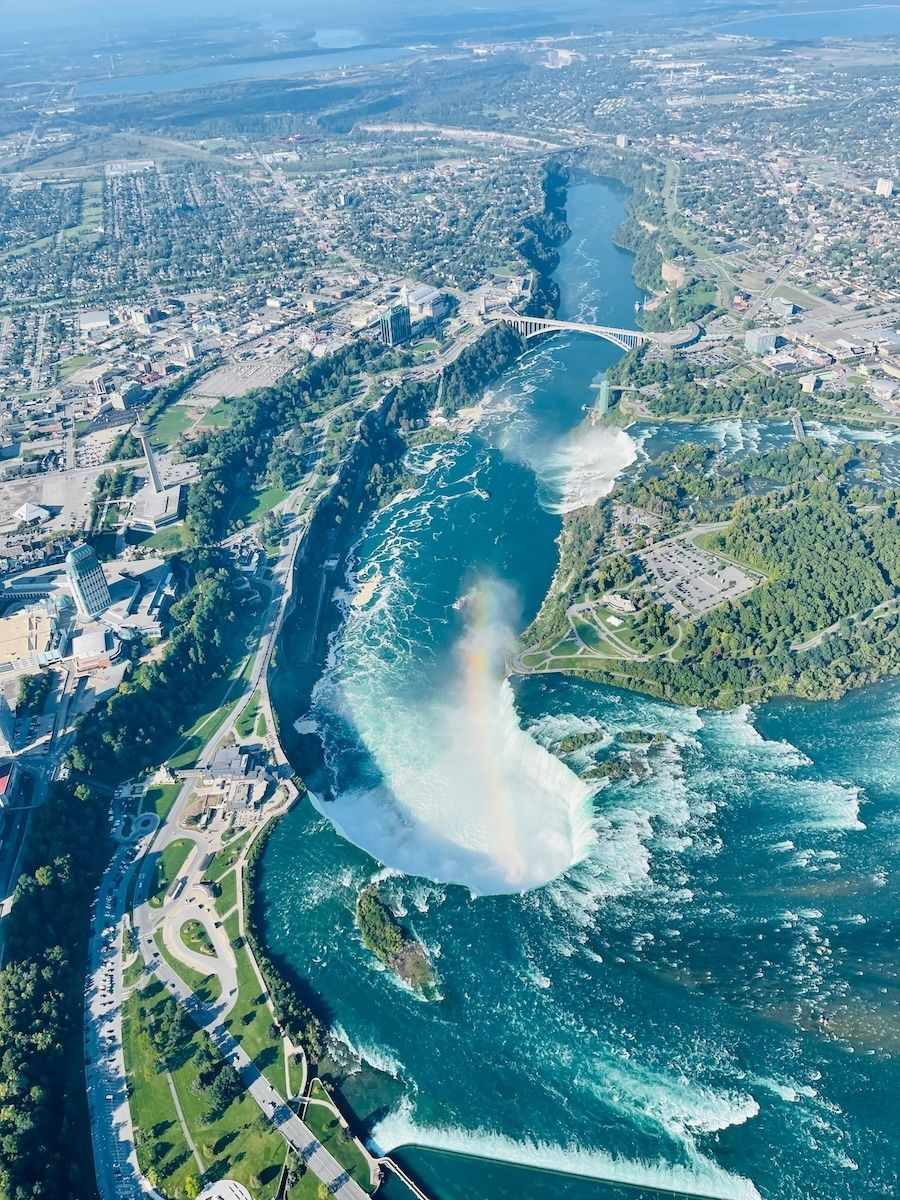
The largest and most visually expansive section, the Horseshoe Falls, sits primarily on the Canadian side, while the American Falls and Bridal Veil Falls lie within the United States. Together, they form a shared natural landmark shaped by geology, culture and long-standing cross-border cooperation.
The Geological Wonder of Niagara Falls
Niagara Falls was formed over 12,000 years ago at the end of the last Ice Age, when retreating glaciers reshaped the Great Lakes basin. Water from Lake Erie began flowing north towards Lake Ontario, cutting through layers of rock and creating the steep rock face seen today. Over time, erosion has gradually shifted the Falls upstream, a process that continues at a steady, natural pace.
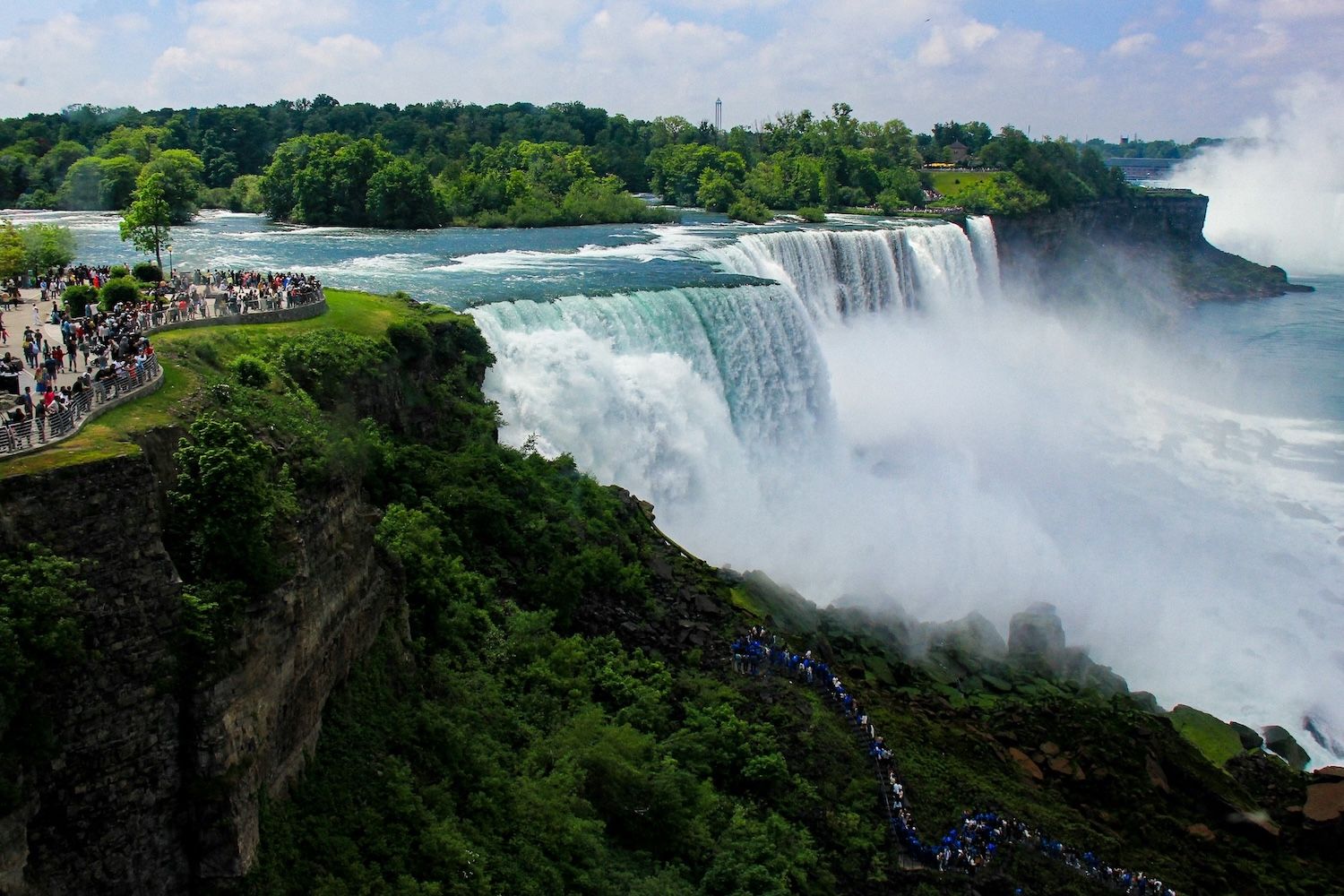
The Falls comprise three distinct sections. The Horseshoe Falls, curving in a broad arc, carry the majority of the water volume and plunge approximately 57 metres. The American Falls and the smaller Bridal Veil Falls sit to the east, separated by Goat Island. At peak flow, around 3,000 tonnes of water thunder over the edge every second, making Niagara Falls one of the most powerful waterfalls in the world.
European awareness of the Falls dates back to the 17th century, but the area has a far longer history rooted in Indigenous history.
Cultural Significance
For Indigenous nations including the Haudenosaunee and Anishinaabe peoples, Niagara Falls has long held spiritual and cultural importance. The river and surrounding lands were vital travel routes, meeting places and sources of sustenance long before international borders existed.
In the 19th and early 20th centuries, Niagara Falls became a symbol of modern tourism, drawing honeymooners, adventurers and artists. It featured prominently in early photography, silent films and later Hollywood productions, helping to cement its place in popular imagination.
Today, the Falls continue to attract tourism from around the globe, offering both a chance to experience their awe-inspiring natural features and to learn about the local history and communities that have developed around them.
Top Things To Do at Niagara Falls
There is no shortage of Niagara Falls attractions, and the area caters to a wide range of interests, from immersive nature experiences to family-friendly museums and scenic parks.
Embarking on a Niagara Falls Boat Tour
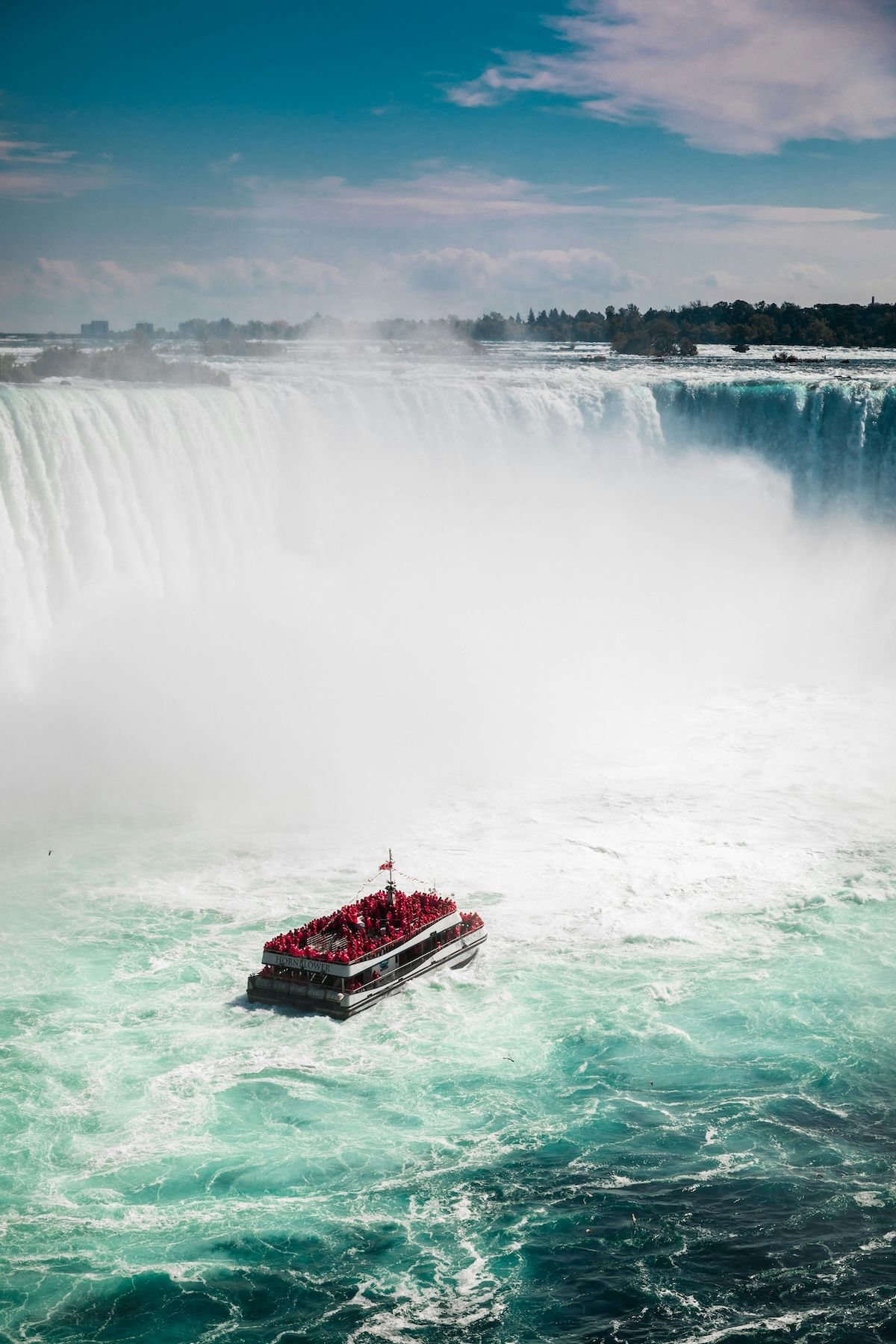
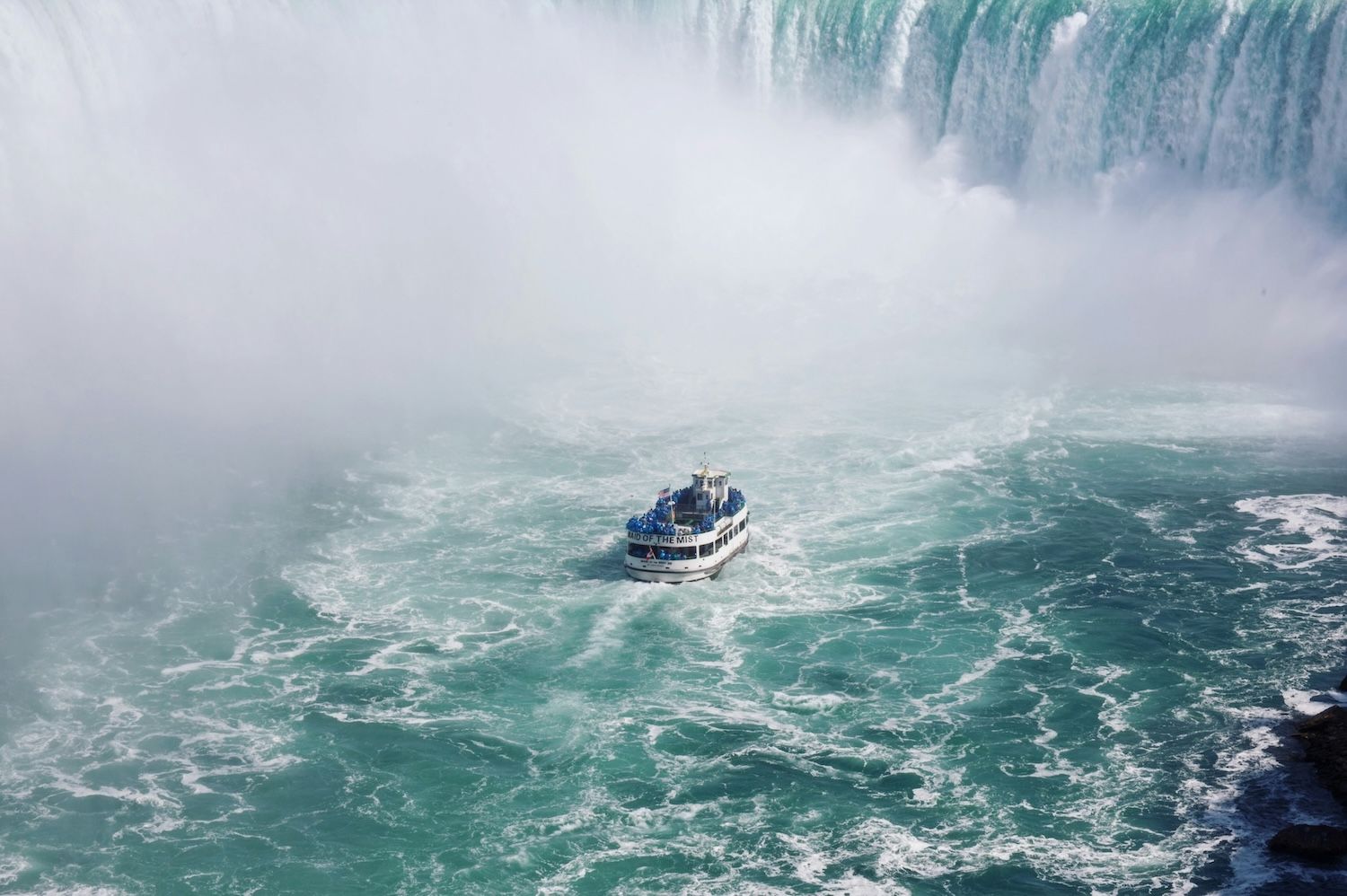
A Niagara Falls boat tour is an essential stop on any visit. The Maid of the Mist boat tour has operated for over 175 years, taking passengers close to the base of the American and Horseshoe Falls. On the Canadian side, Niagara City Cruises offers a similar experience, often referred to as one of the most memorable Niagara Falls cruises.
These boat journeys place passengers at the heart of the action, offering a powerful sense of the Falls’ scale. Protective ponchos are provided, but visitors should expect to get wet from the intense spray.
Cave of the Winds and the Hurricane Deck
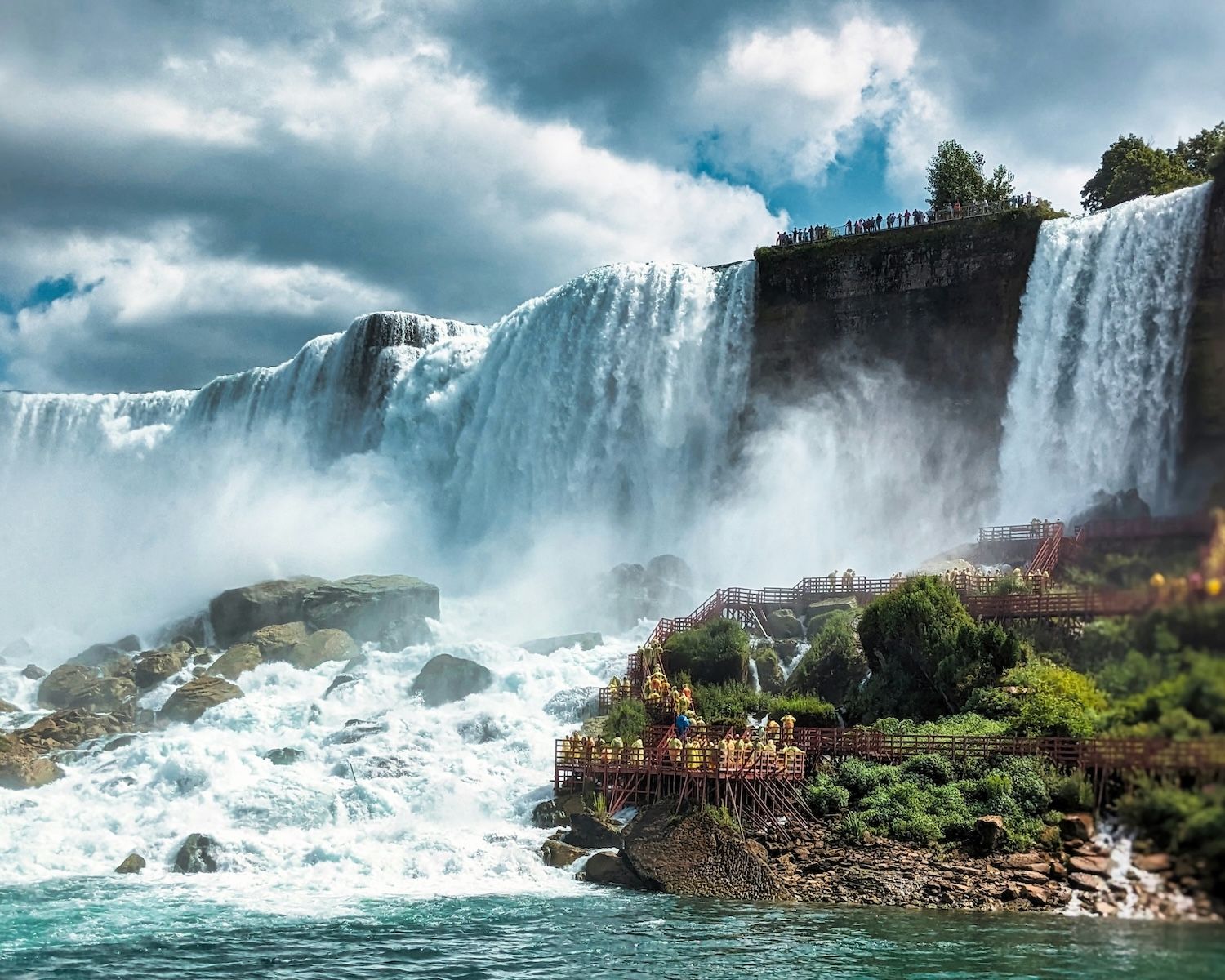
Across the river in the United States, the Cave of the Winds provides an up-close encounter with Bridal Veil Falls. Wooden walkways lead to the Hurricane Deck at Niagara Falls, where visitors stand just metres from cascading water. The weather-dependent experience is loud and exhilarating, offering a different perspective from the boat tours.
Exploring Queen Victoria Park
On the Canadian side, Queen Victoria Park stretches along the Niagara River, offering clear views of the Horseshoe Falls, framed by carefully maintained gardens. Niagara Falls' Queen Victoria Park is especially beautiful in spring and summer, when flowerbeds are in full bloom, and in autumn, when the surrounding trees turn shades of gold and red.
The park forms part of the wider Niagara Parks system, providing access to walking paths, viewpoints and seasonal events. It is an ideal place to pause and observe the surrounding landscapes.
Aquarium of Niagara
The Aquarium of Niagara in Niagara Falls, New York, is a family-friendly attraction focused on freshwater and marine life. Educational exhibits highlight ecosystems connected to the Great Lakes and beyond.
The Niagara Falls Fireworks
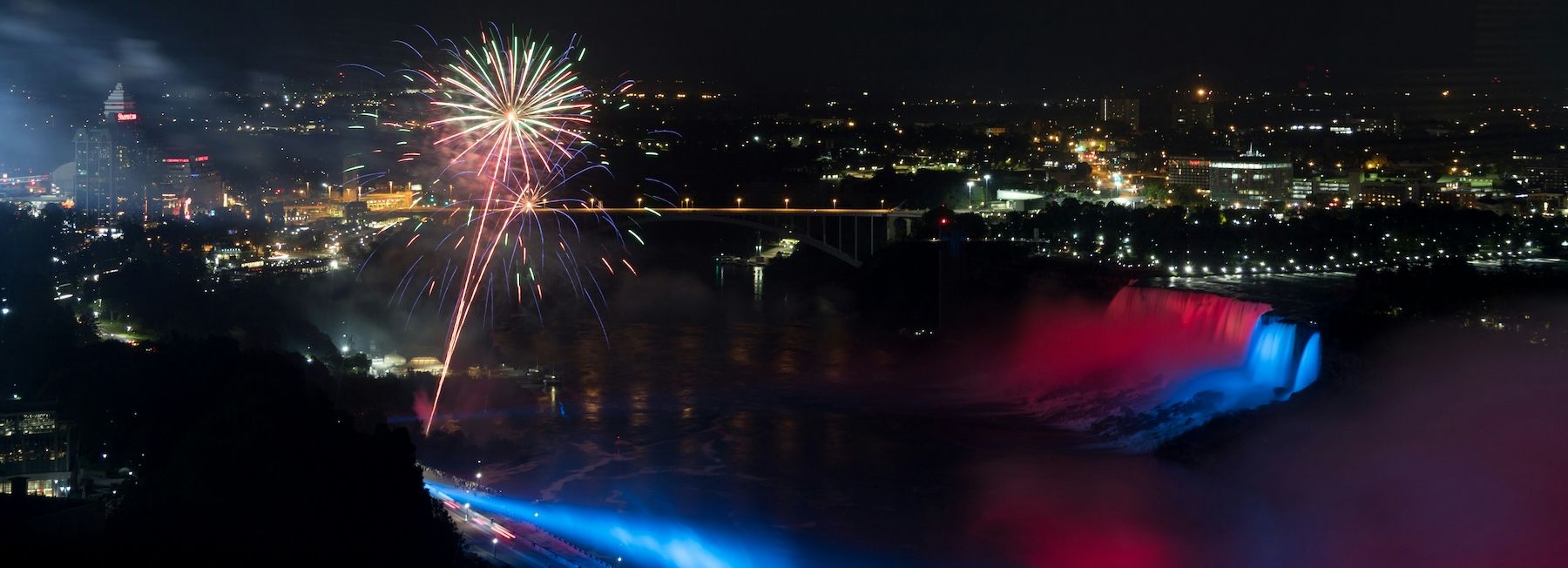
From spring to autumn, Niagara Falls' fireworks illuminate the night sky several times a week. Displays are visible from both sides of the border, with popular viewing spots including Queen Victoria Park and Niagara Falls State Park. The combination of falling water and reflected light creates a distinctive effect and a beautiful atmosphere.
Niagara Falls Restaurants: Dining With a View
Dining near the Falls ranges from casual to refined, with many Niagara Falls restaurants designed to take advantage of the scenery.
Skylon Tower Revolving Dining Room (Canada): Contemporary North American cuisine served with panoramic views.
Table Rock House Restaurant (Canada): Seasonal menus highlighting local ingredients, positioned directly beside the Horseshoe Falls.
Local diners and bistros (USA): Particularly around Old Falls Street, offering relaxed meals before or after sightseeing.
Reservations are recommended during peak seasons, especially for venues overlooking the water.
Practical Tips For Your Niagara Falls Adventure
Safety First: Understanding Swimming and Weather Warnings
Swimming in the Niagara River near the Falls is prohibited due to strong currents and sudden drop-offs. Visitors should observe posted warnings and remain within designated viewing areas. Weather conditions can change quickly, particularly near the water, so appropriate clothing is essential.
The Best Time to Visit Niagara Falls
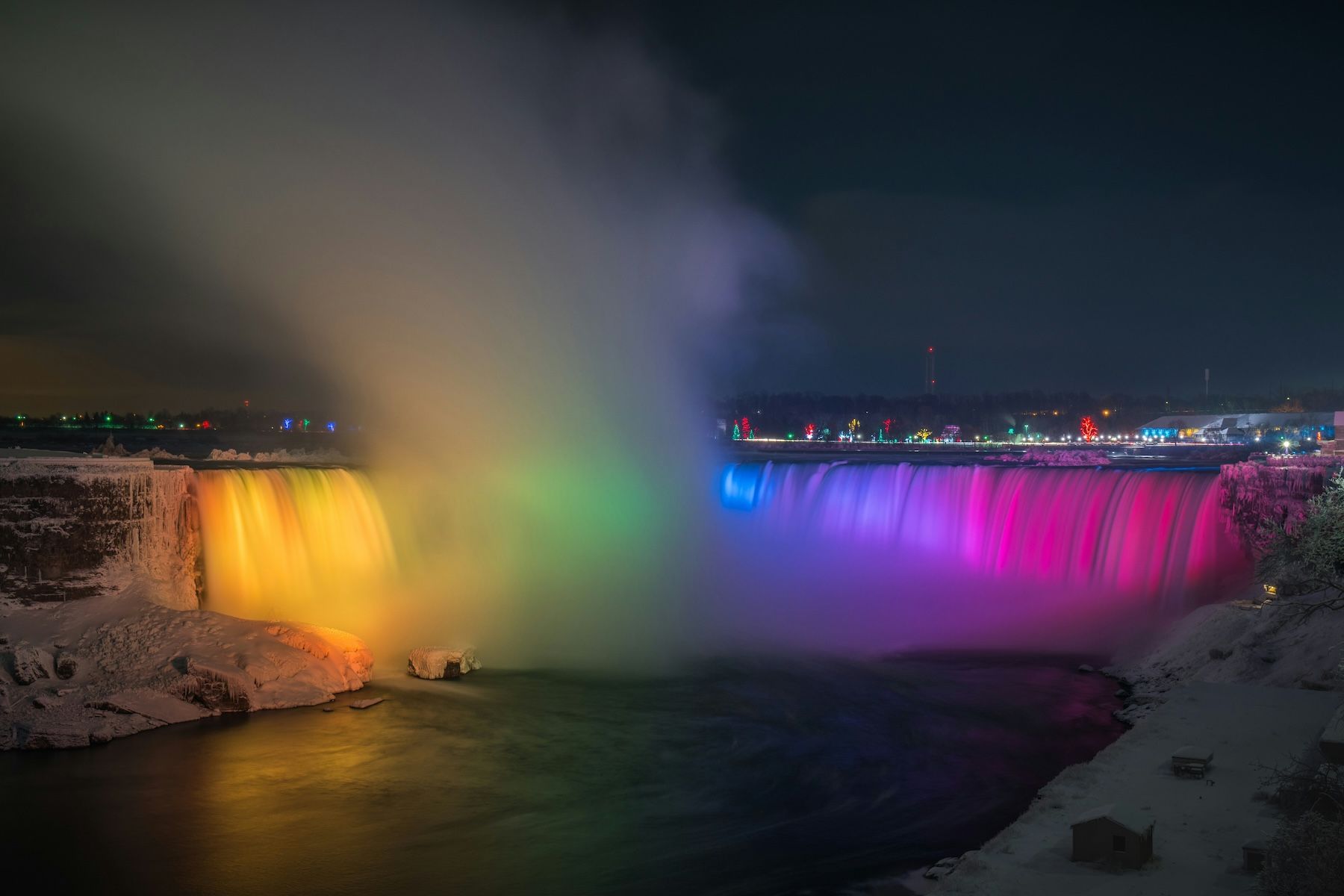
Summer is the busiest season, with warm weather and extended opening hours. Spring and autumn offer milder temperatures and fewer crowds, while winter presents a quieter, dramatic landscape, with frozen mist and illuminated Falls. Some attractions operate seasonally, so travellers are advised to plan ahead.
Navigating Niagara Falls Parking and Transportation
Paid car parking is available near all of the major attractions. On the Canadian side, Niagara Parks operates several parking areas connected by the WEGO shuttle system.
Public transport links the Falls to nearby towns and it is approximately 1.5 hours by car from Toronto, making it a popular day-trip destination for international visitors.
Trains and buses also run regularly from Toronto’s city centre and airport areas. Practical amenities such as popular local department store Canadian Tire Niagara Falls are located a short distance from the main tourist areas.
Accommodation
Accommodation options range from luxury hotels overlooking the Falls to budget motels, boutique inns and campsites. Both Niagara Falls, Canada, and Niagara Falls, New York, offer well-established hospitality infrastructure, allowing visitors to choose based on budget, view preferences and proximity to attractions.
Niagara Falls and Hydroelectric Power
Beyond tourism, Niagara Falls plays a crucial role in renewable energy production. On the Canadian side, hydroelectric stations harness the river’s flow to power millions of homes, forming a key part of Ontario’s renewable energy system. This balance between preservation and innovation reflects decades of cross-border cooperation and environmental management.
Connecting Landscapes, Cultures, and Communities
Niagara Falls is one of Canada’s most iconic landscapes, combining dramatic natural beauty with carefully maintained gardens, viewpoints, and visitor experiences managed by Niagara Parks.
While Niagara Falls itself is not part of Canada’s national park system, it often serves as a gateway for travellers exploring the country’s wider network of national parks and protected landscapes, highlighting the diversity of Canada’s vast natural environment.
Exploring Canada’s cities, heritage sites, and cultural landmarks offers insight into the country’s creativity and history, with Niagara Falls standing out as a defining destination in Ontario.
The Qatar Canada and Mexico 2026 Year of Culture celebrates international collaboration through exhibitions, partnerships, and storytelling.