Canada's National Parks: A Guide to the Country’s Wild Places
2026/02/11
As part of the Qatar Canada and Mexico 2026 Year of Culture, we are exploring different facets of Canada and Canadian culture, including the landscapes that are integral to Canada’s culture, identity, and sense of place.
Canada is often described through its landscapes. Canada has extensive forests, mountain ranges formed over millions of years, and coastlines influenced by millennia of ice and tidal changes. These wild places are so much more than just scenic backdrops; they are central to the country's identity. Forested regions, in particular, underpin traditions such as maple syrup production, which remains closely tied to seasonal cycles and rural life.
Canada’s national parks system is one of the largest and most diverse in the world, protecting environments that range from Arctic tundra to temperate rainforests, boreal forests and prairie grasslands, as well as unique limestone formations and islands.
Today, the Canada National Parks system includes 37 national parks and 11 national park reserves, administered by Parks Canada, a federal government agency.
Together, they cover more than 340,000 square kilometres. Some are famous around the world. Others remain little known, visited mainly by researchers, local communities, or those travelling off the beaten path. They are united by a common goal of conserving natural and cultural heritage while enabling visitors to experience these areas responsibly.
While landmarks such as Niagara Falls have long captured international attention, Canada’s national parks protect the wider landscapes and ecosystems that shape the country’s natural and cultural identity.
The origins of the system date back to 1885, when Banff National Park was originally established in Alberta, making it Canada’s first national park and the third in the world. Initially created to protect hot springs and attract visitors by rail, the idea quickly evolved.
Over time, parks became places not only for recreation, but for conservation, scientific study, and recognition of Indigenous presence and stewardship. Many parks and reserves today exist in partnership with First Nations, Inuit, and Métis communities, whose relationships with these lands stretch back thousands of years.
This guide offers a comprehensive overview of these conservation areas, highlights the best national parks to visit in Canada, and provides practical advice for planning a journey through them.
List of All Canada’s National Parks and Reserves
Canada’s national parks are distributed across every province and territory, reflecting the country’s immense geographic scale and ecological variety. Below is a complete list of the 37 national parks and 11 national park reserves*:
Akami-Uapishkᵁ-KakKasuak-Mealy Mountains National Park Reserve* (Newfoundland and Labrador)
Aulavik National Park (Northwest Territories)
Banff National Park (Alberta)
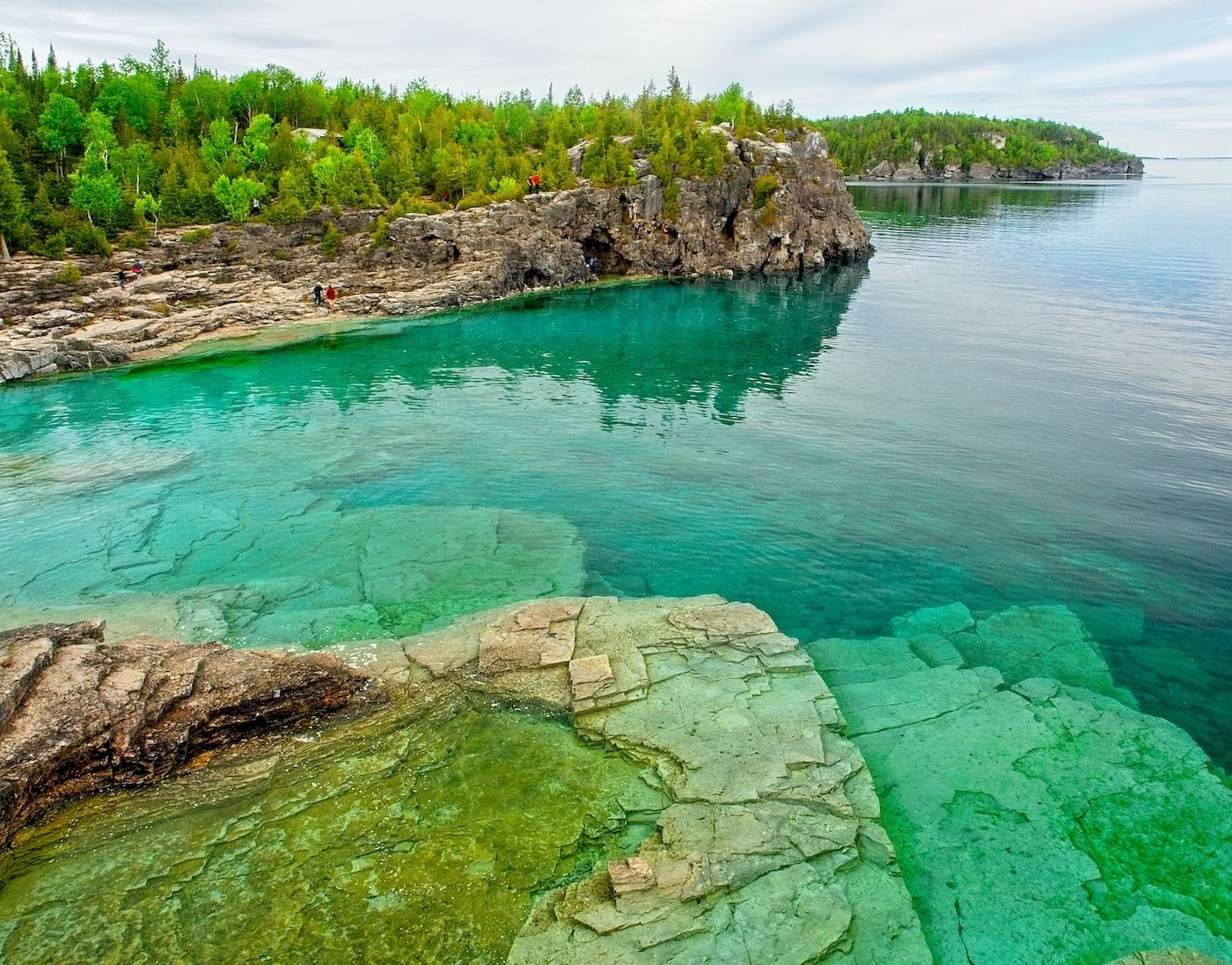
Bruce Peninsula National Park (Ontario)
Cape Breton Highlands National Park (Nova Scotia)
Elk Island National Park of Canada (Alberta)
Forillon National Park (Quebec)
Fundy National Park Canada (New Brunswick)
Georgian Bay Islands National Park (Ontario)
Glacier National Park Canada (British Columbia)
Grasslands National Park (Saskatchewan)
Gros Morne National Park (Newfoundland and Labrador)
Gwaii Haanas National Park Reserve* (British Columbia)
Ivvavik National Park (Yukon)
Gulf Islands National Park Reserve* (British Columbia)
Jasper National Park of Canada (Alberta)
Kejimkujik National Park (Nova Scotia)
Kluane National Park and Reserve* (British Columbia and Yukon)
Kootenay National Park (British Columbia)
Kouchibouguac National Park (New Brunswick)
La Mauricie National Park (Quebec)
Mingan Archipelago National Park Reserve* (Quebec)
Mount Revelstoke National Park (British Columbia)
Nahanni National Park Reserve* (Northwest Territories)
Nááts’įhch’oh National Park Reserve * (Northwest Territories)
Pacific Rim National Park Reserve* (British Columbia)
Pituamkek National Park Reserve* (Nova Scotia)
Point Pelee National Park (Ontario)
Prince Albert National Park (Saskatchewan)
Prince Edward Island National Park (Prince Edward Island)
Pukaskwa National Park (Ontario)
Qausuittuq National Park (Nunavut)
Quttinirpaaq National Park Canada (Nunavut)
Riding Mountain National Park (Manitoba)
Rouge National Urban Park (Ontario)
Sable Island National Park Reserve* (Nova Scotia)
Sirmilik National Park (Nunavut)
Terra Nova National Park (Newfoundland and Labrador)
Thaidene Nëné National Park Reserve* (Northwest Territories)
Thousand Islands National Park Canada (Ontario)
Torngat Mountains National Park (Newfoundland and Labrador)
Tuktut Nogait National Park (Northwest Territories)
Ukkusiksalik National Park (Nunavut)
Vuntut National Park (Yukon)
Wapusk National Park (Manitoba)
Waterton Lakes National Park of Canada (Alberta)
Wood Buffalo National Park (Alberta / Northwest Territories)
Yoho National Park Canada (British Columbia)
*Some areas are designated as national park reserves, meaning land claims by Indigenous peoples have not yet been fully settled.
Top National Parks to Visit in Canada
While every park has its own unique character, certain places stand out for first-time visitors due to ease of access from airports and major cities, landmark scenery, or cultural significance.
These parks are frequently highlighted as some of the best national parks in Canada, recognised for their appeal, notable features, and accessibility, while still offering distinctive experiences for different types of travellers.
Banff National Park, Alberta
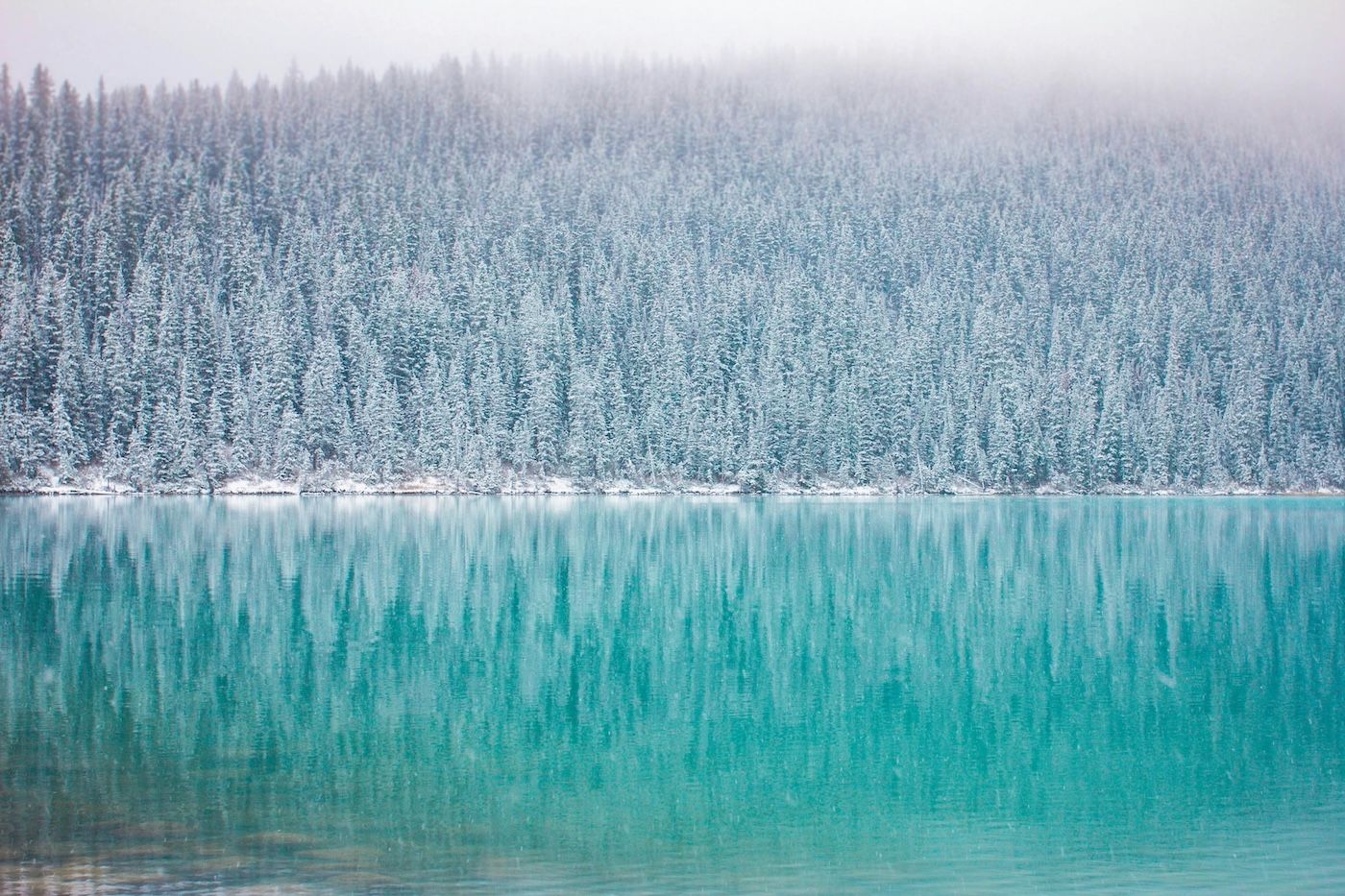
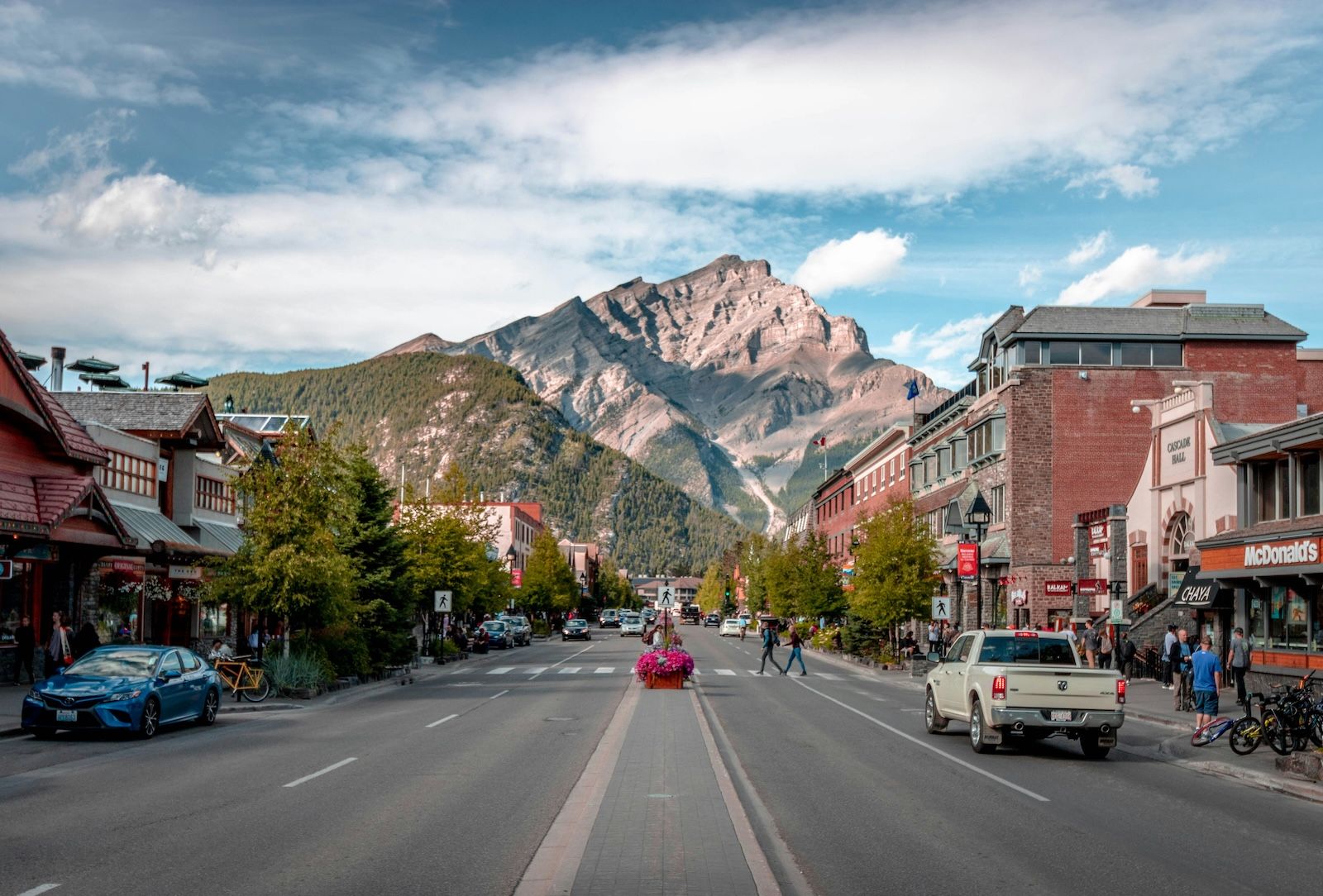
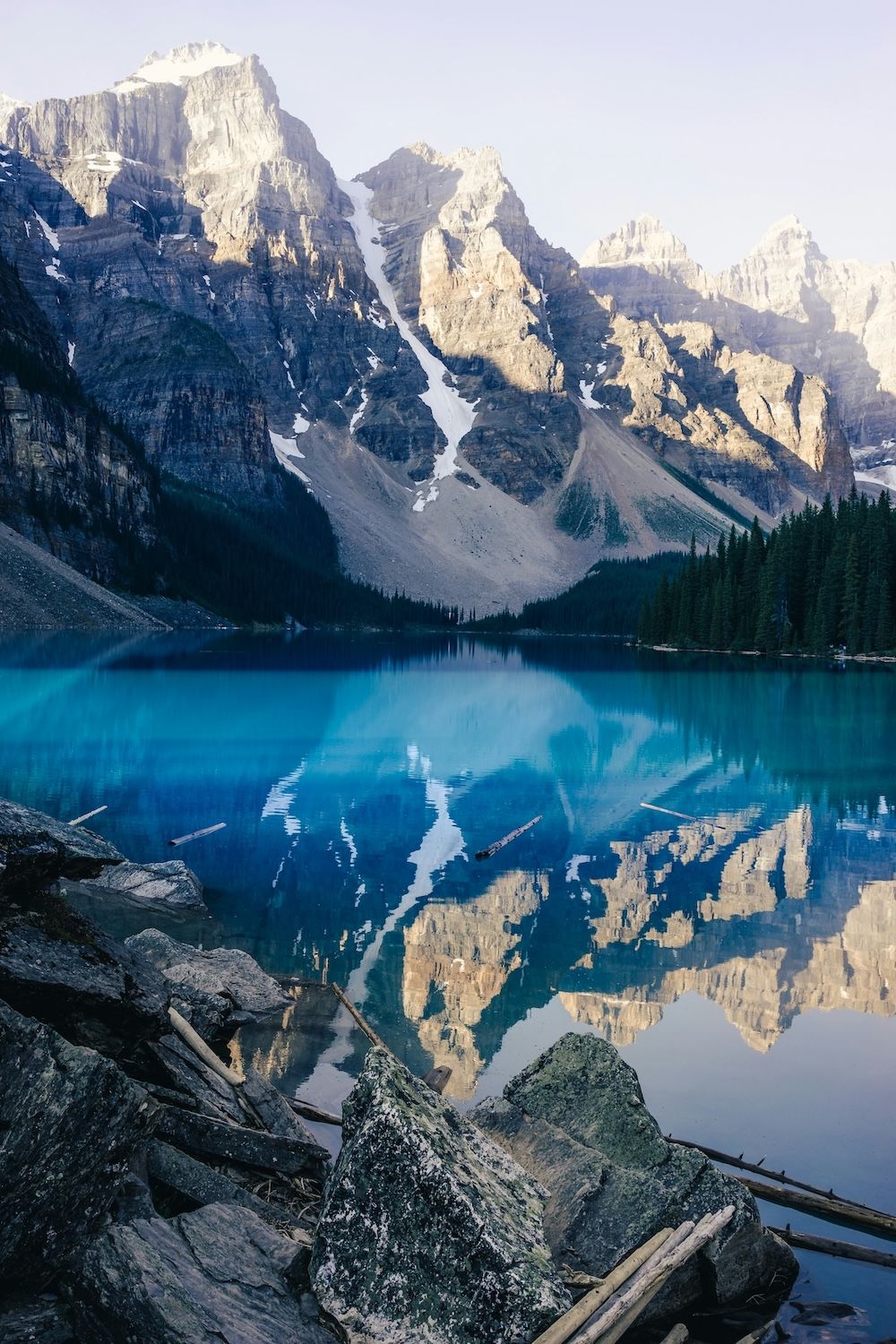
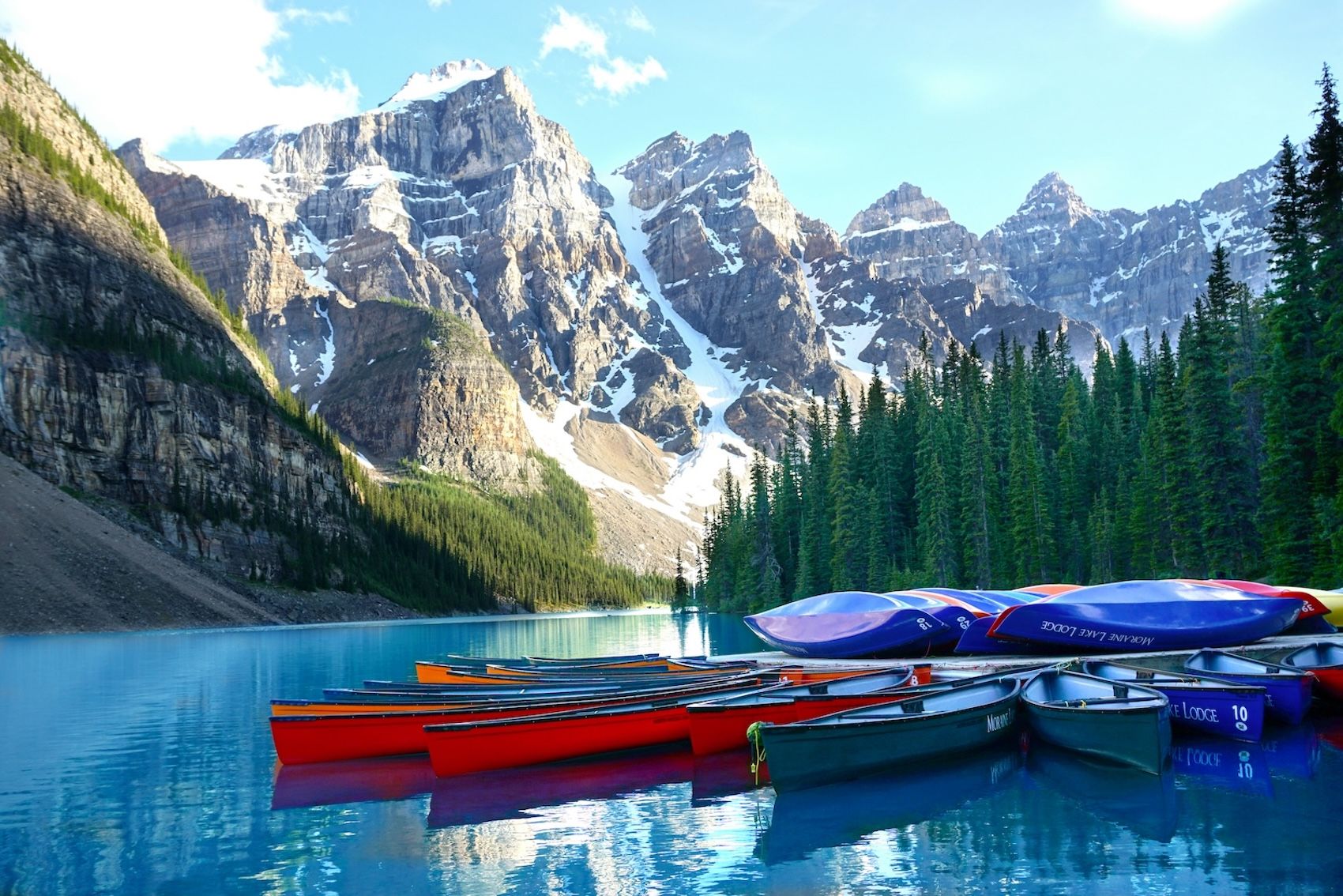
Banff National Park in Alberta is undoubtedly the most recognised name in the Canadian parks system. Set within the Rocky Mountains, it is defined by dramatic mountain walls, turquoise glacial lakes, and a long history of tourism.
Lake Louise and Moraine Lake are among the most photographed landscapes in the country, while the town of Banff serves as a base with visitor centres, museums, and transport links. Hiking in Banff National Park ranges from short walks to multi-day backcountry routes. In winter, Banff becomes a centre for skiing and snowshoeing.
Despite its immense popularity, wildlife remains central to the park’s identity. Elk, bighorn sheep, and black bears are spotted regularly, often close to roads and trails. Managing the balance between visitors and conservation is an ongoing challenge here, and travellers are encouraged to use shuttles and respect seasonal closures.
Jasper National Park, Alberta
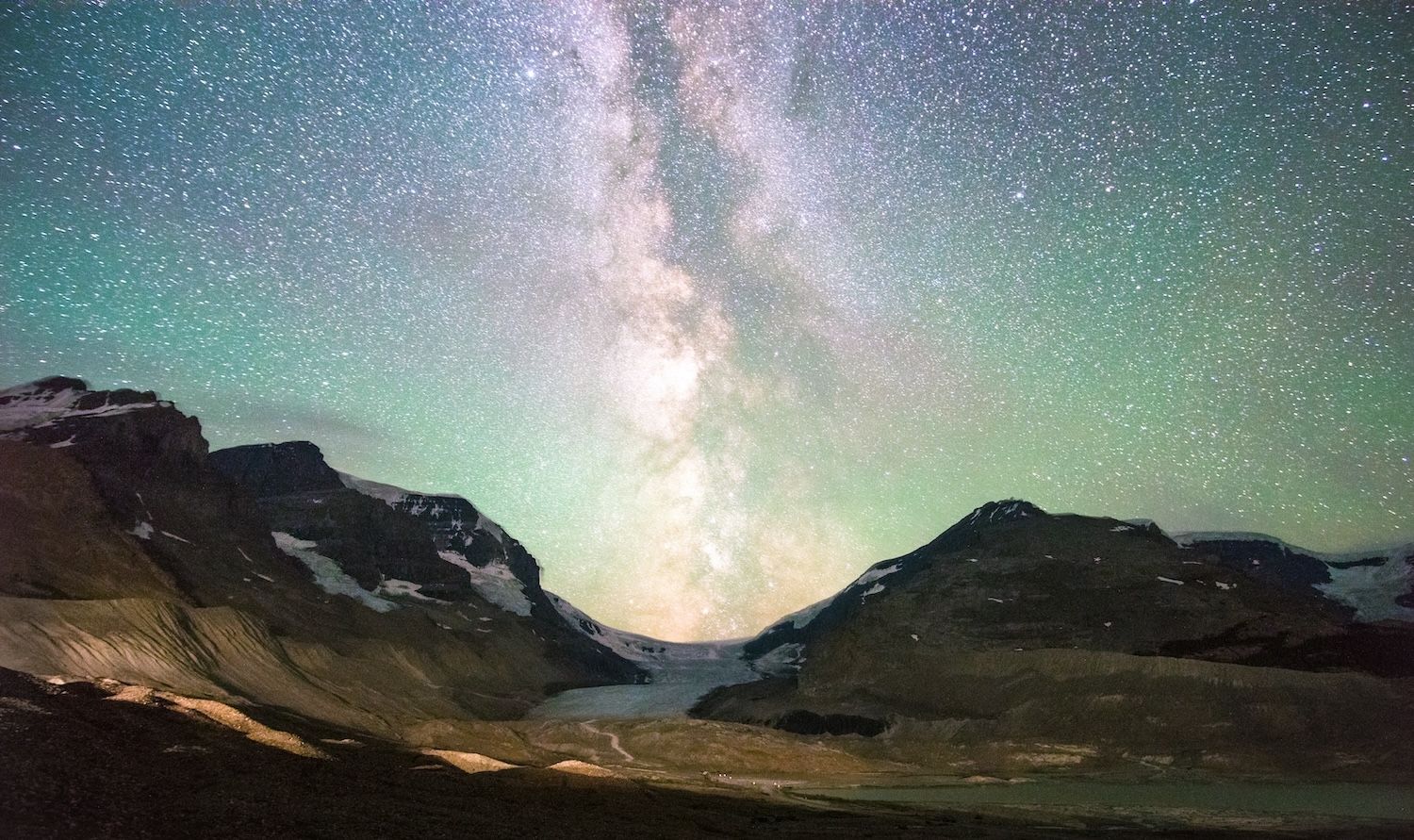
The Jasper National Park of Canada offers a different experience from Banff. It covers a vast area and is less crowded, giving a sense of remoteness and space. Glaciers spill down from the Columbia Icefield, feeding rivers that flow to three different oceans.
Maligne Canyon, Spirit Island on Maligne Lake, and Athabasca Glacier are among its best-known spots. Jasper is also a designated Dark Sky Preserve, making stargazing one of its defining experiences. On clear nights, the Milky Way is visible with the naked eye, a reminder of how remote much of the park remains.
Waterton Lakes National Park
At the southern edge of Alberta, Waterton Lakes National Park of Canada sits at the transition between the Rocky Mountains and the prairie grasslands. The park is smaller and more accessible than Banff or Jasper, yet is notable for its ecological diversity.
Part of the Waterton-Glacier International Peace Park, shared with the United States, the park experiences strong winds and sudden weather changes. It is known for wide open vistas, with wildflowers blooming extensively in summer. The Red Rock Canyon area reveals distinctive geological layers that while visible throughout the year, can be seen especially clearly during the summer months.
Yoho National Park, British Columbia
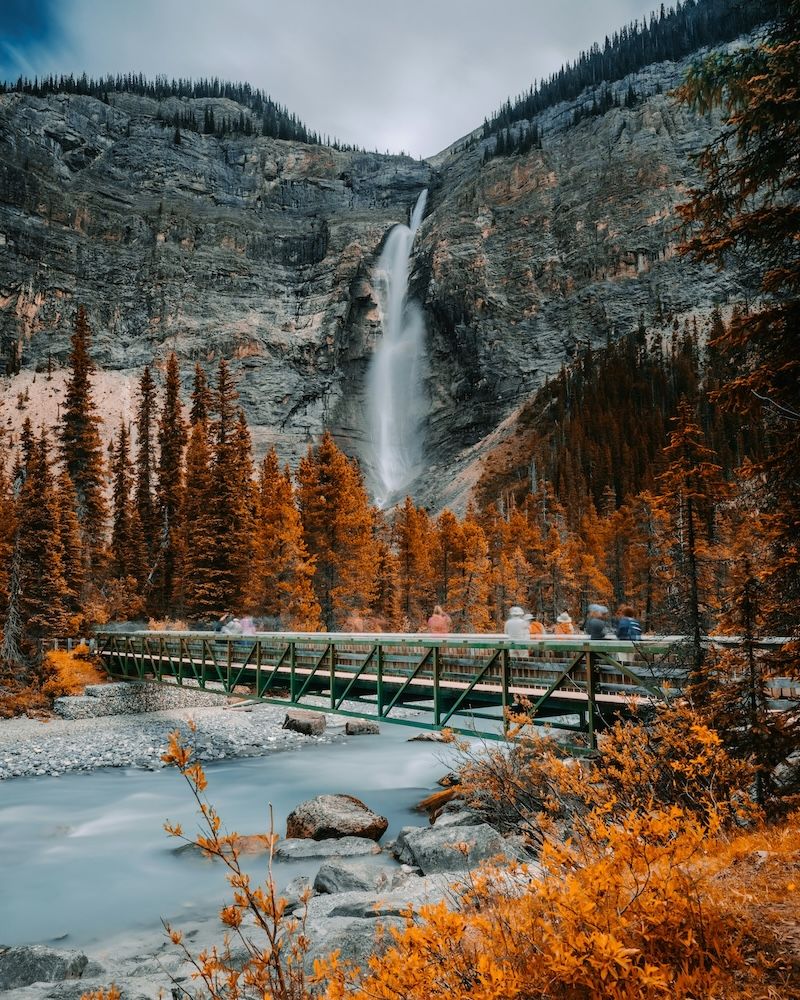
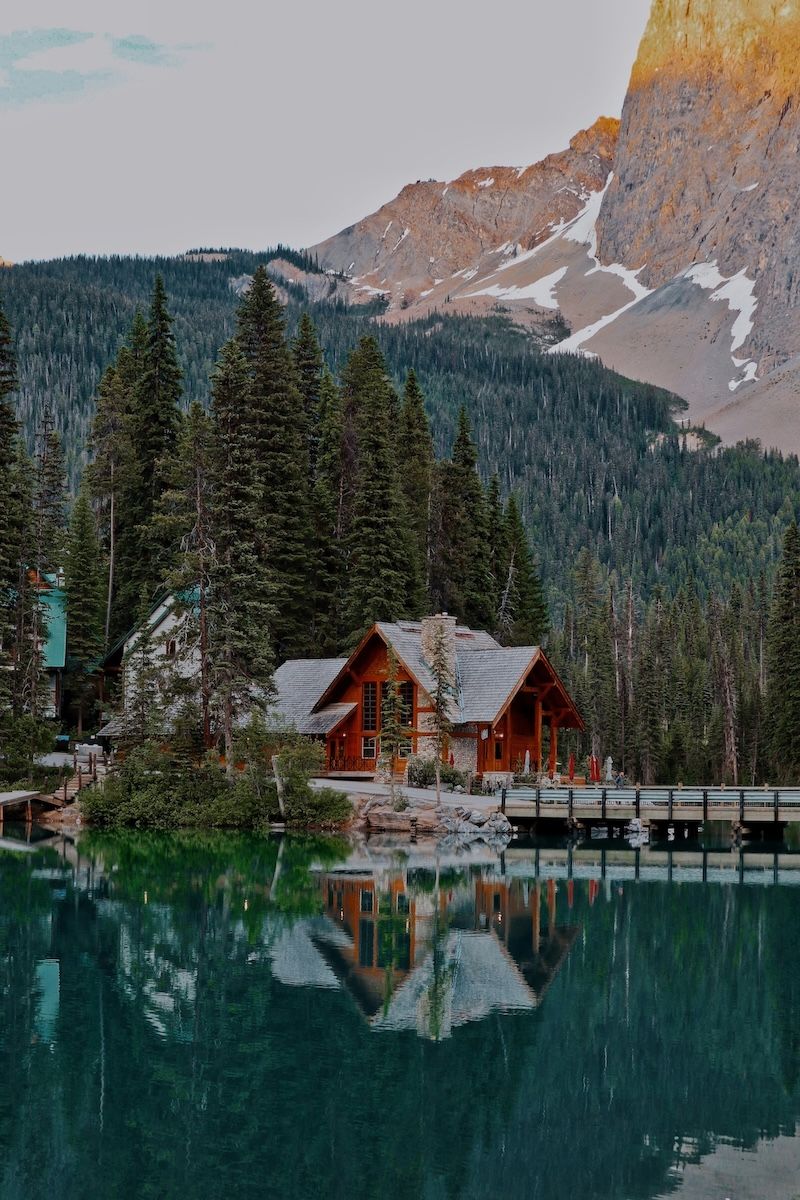
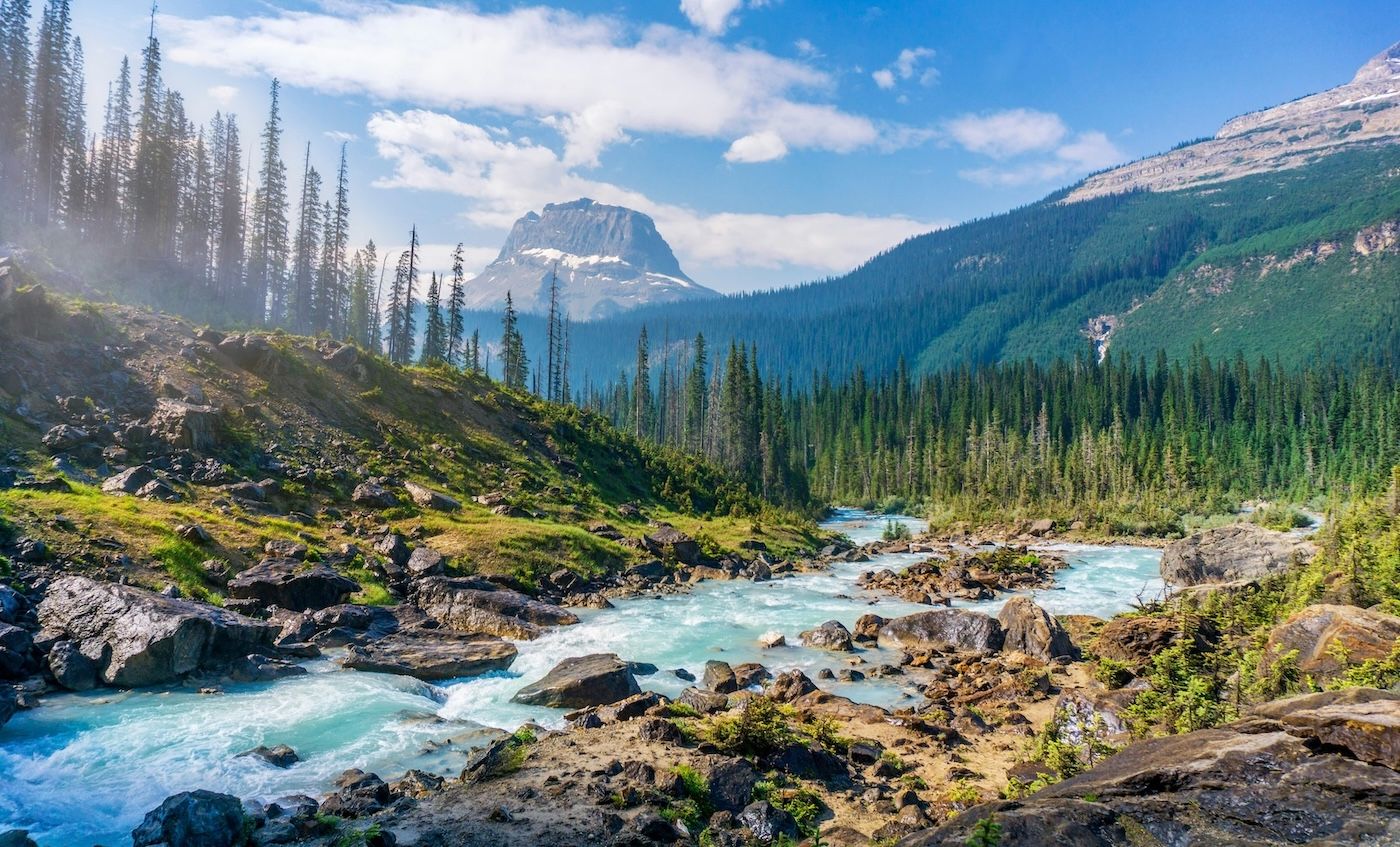
Though smaller than its neighbours, Yoho National Park Canada is dense with geological features. The landscape is known for sheer cliffs, glacially-formed valleys, and waterfalls. One of Canada’s highest, Takakkaw Falls, is a popular focal point, while Emerald Lake boasts calmer views and accessible walking trails.
Yoho is also scientifically important. The Burgess Shale fossil beds, a UNESCO World Heritage Site, have reshaped understanding of early life on Earth. Access is limited and only via a guide, underscoring the park’s role as a site of global research importance.
Glacier National Park, British Columbia
Often confused with its American namesake, Glacier National Park in Canada is a place of steep passes and deep valleys. It is crossed by the historic Rogers Pass, a crucial railway route through the Selkirk Mountains.
The park is known for its challenging terrain and avalanche history. Winter sports, mountaineering, and backcountry hiking dominate here. Dense forests and remnants of early rail infrastructure give the park a strong sense of human and natural history intertwined.
Kluane National Park, Yukon
Kluane National Park is characterised by extreme landscapes. It is home to Mount Logan, Canada’s highest peak, and one of the largest non-polar ice fields on Earth. The park covers a vast, sparsely populated area.
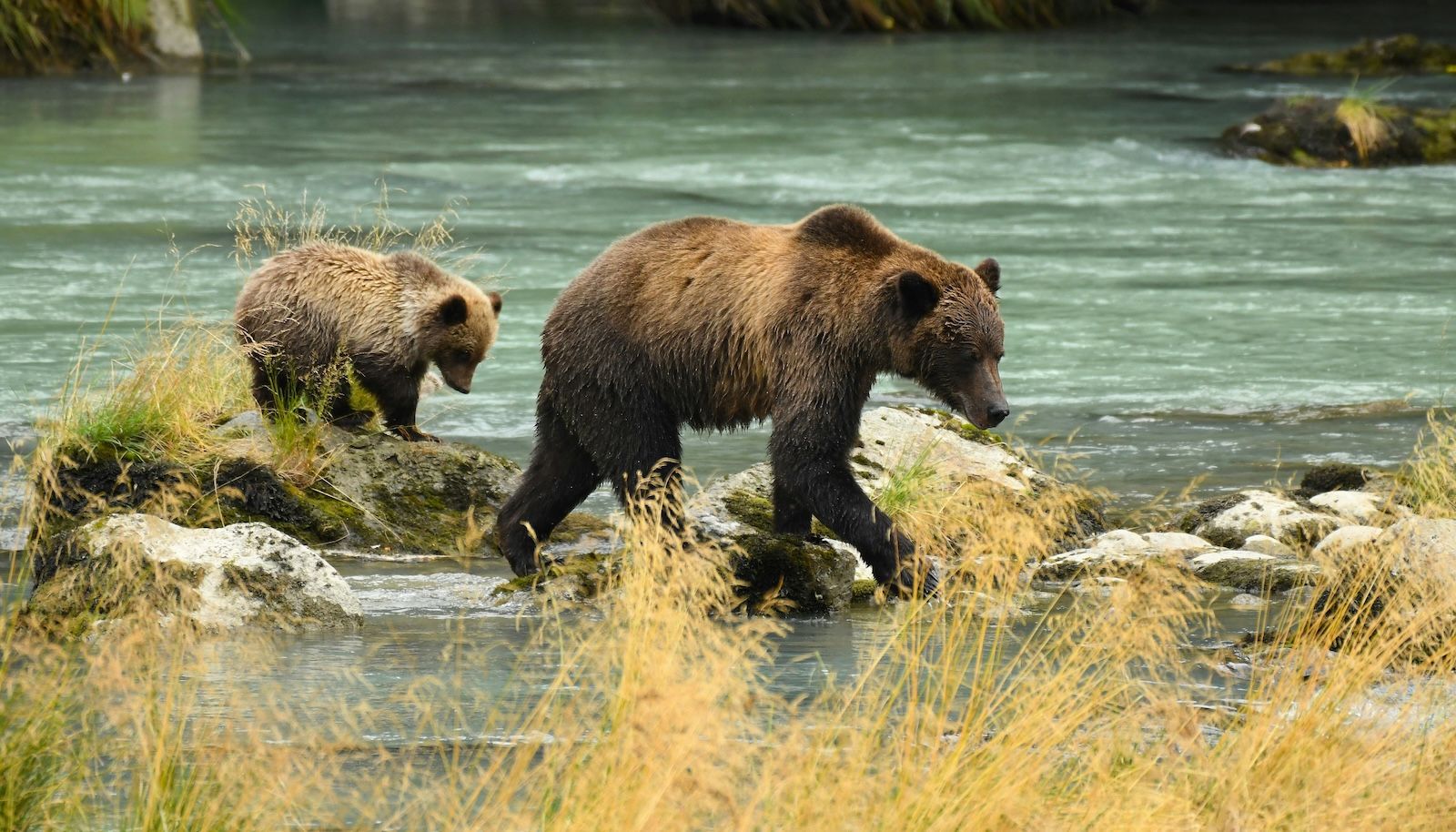
Designated a UNESCO World Heritage Site, Kluane is co-managed with the Champagne and Aishihik First Nations. Wildlife includes grizzly bears, Dall sheep, and golden eagles. Visiting the park often requires careful planning, and guided experiences are recommended, emphasising the need to approach the area with caution and respect.
Gros Morne National Park, Newfoundland and Labrador
Gros Morne National Park is another UNESCO World Heritage Site, valued for its visible geological history. The Tablelands, where the Earth’s mantle is exposed at the surface, appear barren compared to the surrounding lush forests.
Western Brook Pond, a freshwater fjord carved by glaciers, is home to one of the most memorable boat journeys in Canada. Communities within the park maintain strong cultural traditions, and music, language, and local history are integral to the visitor experience.
Pacific Rim National Park Reserve, British Columbia
Located on Vancouver Island, Pacific Rim National Park Reserve protects a coastline shaped by constant rain, wind, and surf. The West Coast Trail, one of the world’s most challenging coastal hikes, follows ancient Indigenous routes along cliffs and beaches.
Temperate rainforests, long sandy shores, and rich marine ecosystems define the area. Indigenous cultural sites are present throughout, and collaboration with local Nations shapes interpretation and access.
Tips for Visiting National Parks in Canada
Exploring Canada's National Parks requires preparation, often covering long distances, with rapidly changing weather. Facilities also vary widely between parks.
Purchasing a National Parks Pass
Parks Canada offers daily passes and annual passes. The Discovery Pass provides unlimited entry to national parks, marine conservation areas, and historic sites for a full year. It is often the most economical option for travellers planning multiple visits.
Passes can be purchased online, at park gates, or visitor centres. Fees support conservation, infrastructure, and educational programmes.
Getting Around and Accommodation
Many major parks offer shuttle services, particularly in high-traffic areas like Banff and Lake Louise. Public transport options are limited outside these hubs, so owning or hiring a vehicle is often necessary.
Accommodation ranges from hotels and lodges to a wide range of campsites. In popular parks, bookings should be made months in advance. Backcountry permits are required for overnight hiking and help Parks Canada manage the environmental impact of tourism.
When to Visit
The best time to visit Canada’s national parks depends largely on region. It also depends on your experience with the great outdoors. Summer (June to September) offers the widest access to trails, campsites, and services, particularly in mountainous and northern parks, while spring and autumn bring fewer visitors and dramatic seasonal changes.
Winter opens up a different side of the parks, with opportunities for skiing, snowshoeing, and wildlife tracking, though access may be limited and conditions more demanding.
Essential Gear and Safety Tips
Canada’s climate varies dramatically by region and season. Even in the summer months, temperatures can drop quickly in mountainous or northern parks. Waterproof clothing, insulating layers, sturdy footwear, and navigation tools are essential.
Wildlife safety is a serious consideration. Visitors should carry bear spray where recommended, store food properly, and follow guidance on trail closures. Respect for natural and cultural sites is central to park ethics, including staying on marked paths and observing wildlife from a distance.
Fun Facts and Frequently Asked Questions
Whether you’re planning your first trip or exploring lesser-known parks, these frequently asked questions highlight key facts and insights to make the most of Canada’s national parks experience.
How Many National Parks Are There in Canada?
Canada has 37 national parks and 11 national park reserves, making a total of 48 protected areas within the national parks system.
Which Province Has the Most National Parks?
British Columbia has the highest number of national parks and reserves, reflecting its varied landscapes from coast to mountain ranges.
What Is the Largest National Park in Canada?
Wood Buffalo National Park is the largest, covering just under 45,000 km². Spanning parts of Alberta and the Northwest Territories, it protects boreal forest, wetlands, and the world’s largest free-roaming herd of wood bison.
What Is the Smallest National Park in Canada?
Georgian Bay Islands National Park in Ontario is the smallest by land area, made up of 63 islands in Lake Huron.
What Was the First National Park in Canada?
Banff National Park, established in 1885, was Canada’s first national park.
What Is the Most Visited National Park in Canada?
Banff National Park also consistently ranks as the most visited, attracting millions of visitors each year.
What are National Park Reserves?
National park reserves are areas managed by Parks Canada that are intended to become full national parks once outstanding Indigenous land claims are resolved. These designations ensure environmental protection while formally recognising ongoing Indigenous rights, governance, and stewardship.
What Makes Canadian National Parks Unique?
The country’s parks stand out for their scale and diversity. Few countries protect such a wide range of ecosystems under a single national system. Equally important is the growing recognition of Indigenous stewardship, which is reshaping how parks are managed and understood.
Canada's Incredible Living Landscapes
Canada National Parks are more than destinations. They are living landscapes shaped by geology, climate, and human history, places where conservation, culture, and travel intersect. From the glaciers of the Rockies to the windswept Arctic tundra, these parks offer insight into the country’s past and its responsibilities for the future.
The cultural exchange between Canada and Qatar, celebrated through the Qatar Canada and Mexico 2026 Year of Culture, highlights shared values around heritage, education, and environmental stewardship. Through storytelling, exhibitions, and travel between our countries, these connections encourage deeper understanding across borders.
Learn more about the cultural collaboration and upcoming events in Qatar as part of the 2026 edition.
More Articles
This website uses cookies for a better experience.