In the summer of 2026, the world’s most watched sporting event will unfold across three nations and dozens of cities. From packed fan zones in historic city centres to sold-out stadiums stretching across an entire continent, the FIFA World Cup 2026™ will see North America become a shared stage for global football.
The 23rd edition of the competition will take place in Canada, Mexico, and the United States, involving more teams, matches and cultures than ever before.
This guide explores everything you need to know about the World Cup 2026, from dates and schedules, to host cities and stadiums, tickets, and travel planning.
What’s New for The World Cup in 2026?
The most significant change in the FIFA World Cup 2026 is its expanded format. For the first time, the tournament will feature 48 teams, extending beyond the 32-team structure used between 1998 and 2022 and the earlier 24-team format of the 1980s and early 1990s.
The group stage will consist of 12 groups of 4 teams, with the top sides advancing to a newly introduced round of 32. In total, the competition will include 104 matches.
From a sporting perspective, additional qualification places open the door for more nations to take part. For some teams, simply reaching the tournament will be historic, while for others, the challenge will be adapting to a longer and more demanding pathway to the final.
For fans, there will be more matches to follow, more cities to explore, and a wider variety of playing styles on display. FIFA has positioned this new format as a step towards inclusivity, reflecting football’s status as the world’s most widely played and watched sport.
When is The 2026 Football World Cup? Dates and Schedule
The FIFA World Cup 2026 will take place from 11th June to 19th July 2026, making it the longest World Cup in history at just over five weeks.
The opening day, Thursday 11th June 2026, will see the first group-stage match played in Mexico City, marking the official start of the tournament. The World Cup 2026 final will be held on Sunday 19th July 2026, at MetLife Stadium in New Jersey, concluding the competition.
FIFA World Cup 2026 Tournament Timeline and Match Schedule:
World Cup 2026 Qualifiers: 2023 to 2026
Group Stage: 11th to 26th June 2026
Round of 32: 28th June to 3rd July 2026
Round of 16: 4th to 7th July 2026
Quarter-Finals: 9th to 11th July 2026
Semi-Finals: 14th and 15th July 2026
Third-Place Play-Off: 18th July 2026
World Cup Final: 19th July 2026
With 48 teams and 104 matches, the extended match schedule reflects the expanded game structure while maintaining a clear progression from group play to the knockout stages.
The dates and locations have also been structured to balance travel demands between host cities.
Where is The 2026 World Cup Being Held?
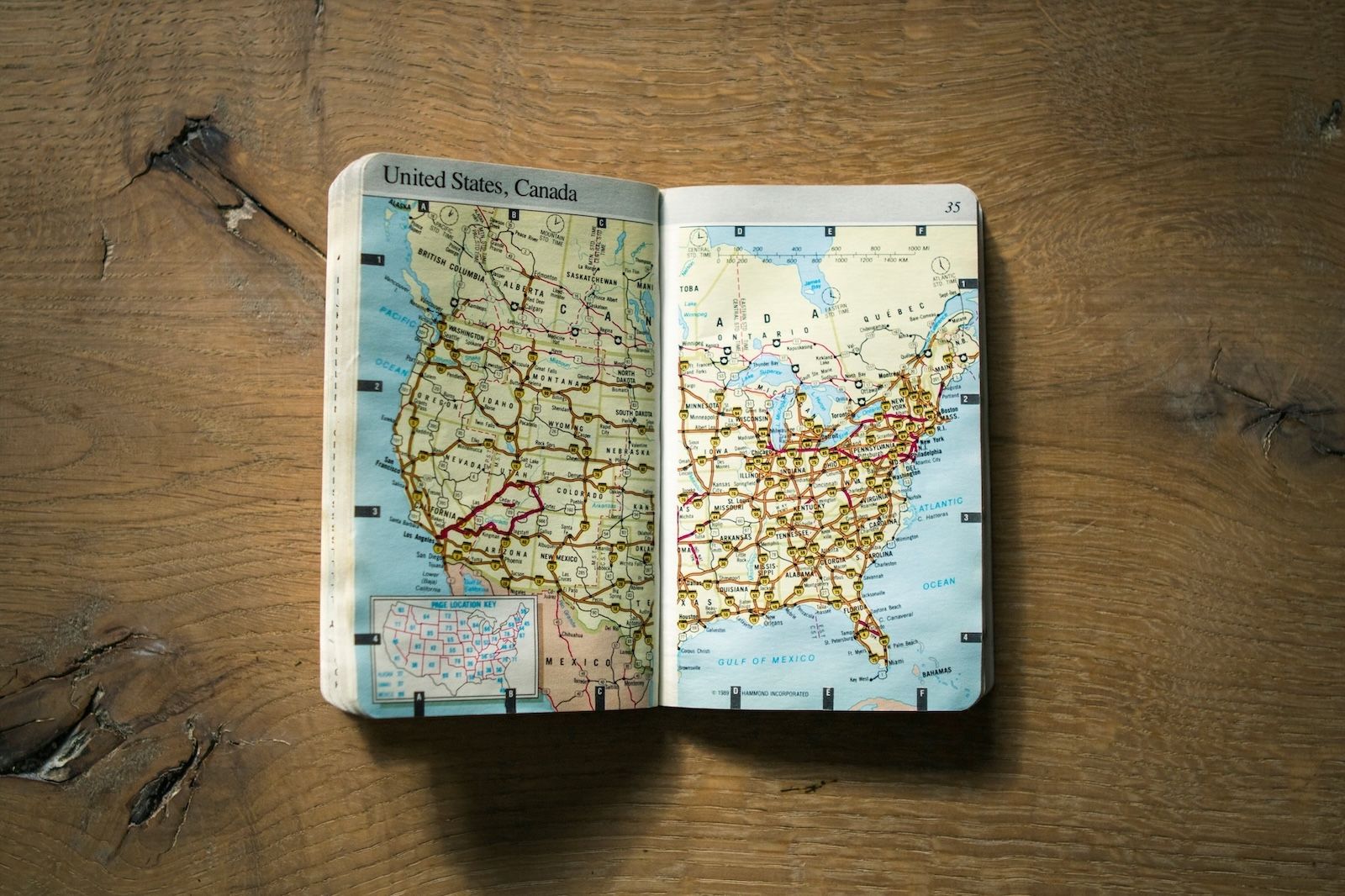
For the first time in the tournament’s history, three countries will share hosting responsibilities: Canada, Mexico, and the United States.
Mexico will draw on its prior experiences of hosting in 1970 and 1986. The United States also previously hosted in 1994, an event that played a significant role in expanding football’s profile nationwide. Canada, meanwhile, contributes recent experience from hosting major international tournaments, including the 2015 FIFA Women’s World Cup.
The World Cup 2026 location spans an entire continent, but matches have been geographically clustered to reduce travel demands for teams and supporters. Together, the three host nations offer modern stadiums, extensive transport networks, and established tourism facilities; all essential elements for an event of this scale.
World Cup 2026 Host Cities and Stadiums
Sixteen locations have been selected as World Cup 2026 host cities, each offering its own cultural identity and atmosphere.
From high-altitude fixtures in Mexico City to waterfront stadiums in Vancouver and Miami, the tournament will expose players and supporters alike to a wide range of climates, landscapes and playing conditions, reinforcing its status as a truly continental World Cup. Here is an overview of the different cities and their stadiums:
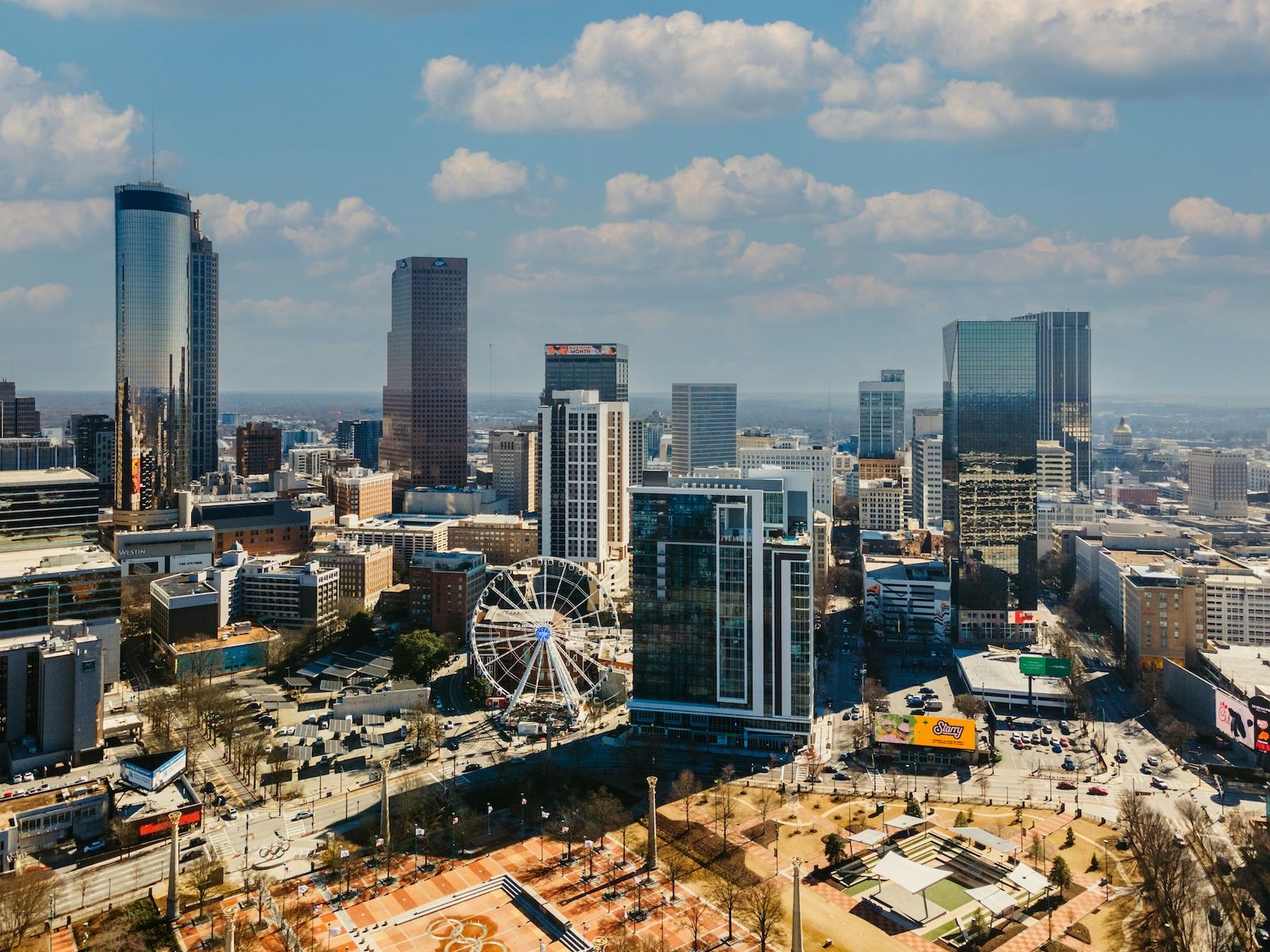
Atlanta, USA
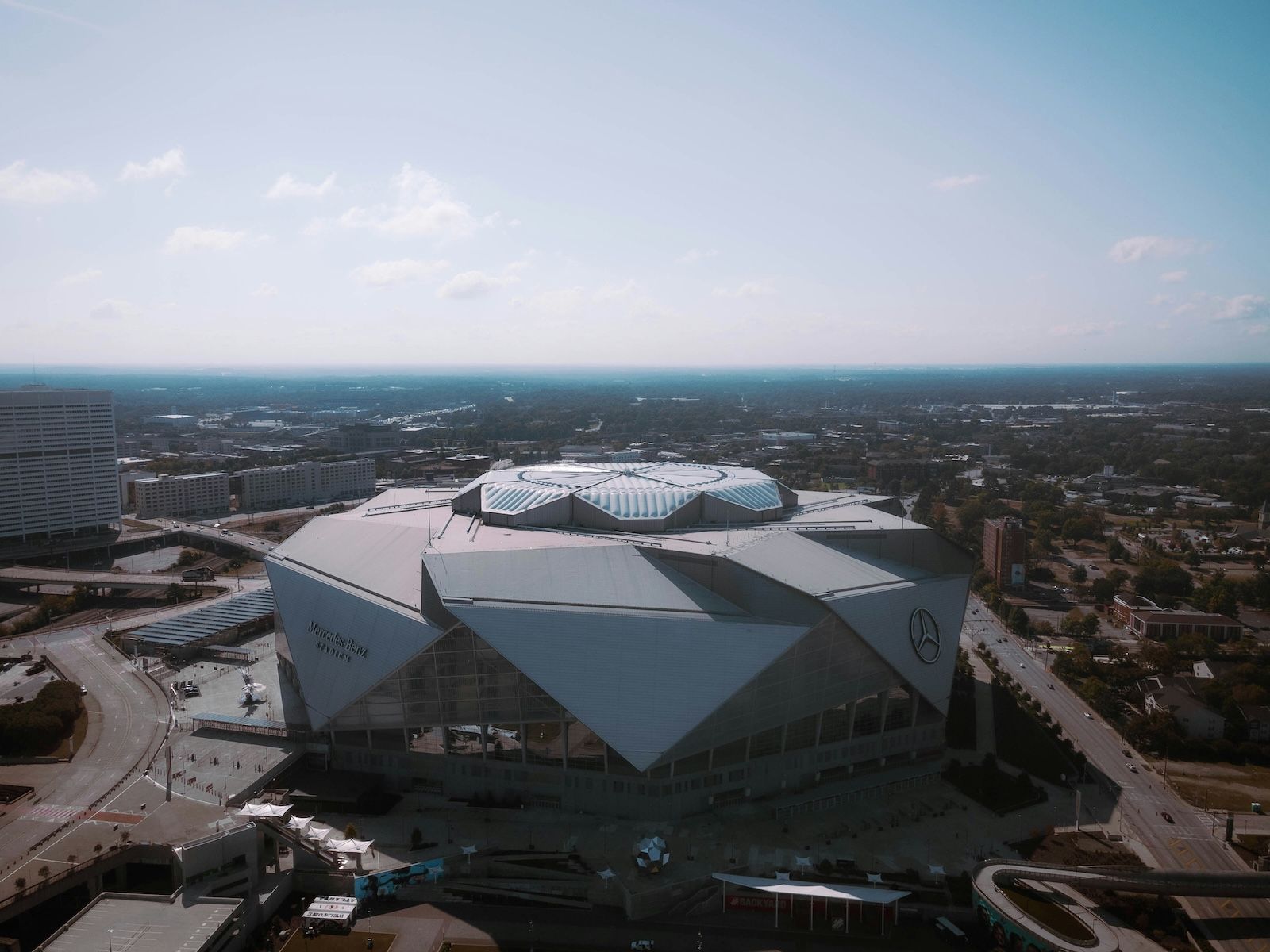
Stadium: Mercedes-Benz Stadium Capacity: 71,000 Nearest airport: Hartsfield-Jackson Atlanta International Airport (ATL)
The capital of Georgia, Atlanta is a city shaped by its central role in the American civil rights movement and its influence on contemporary music, film and business.
Mercedes-Benz Stadium is home to Major Soccer League (MLS) team Atlanta United and the National Football League (NFL)’s Atlanta Falcons. It is known for its striking retractable roof inspired by the Pantheon and for consistently attracting some of the largest football crowds in North America.
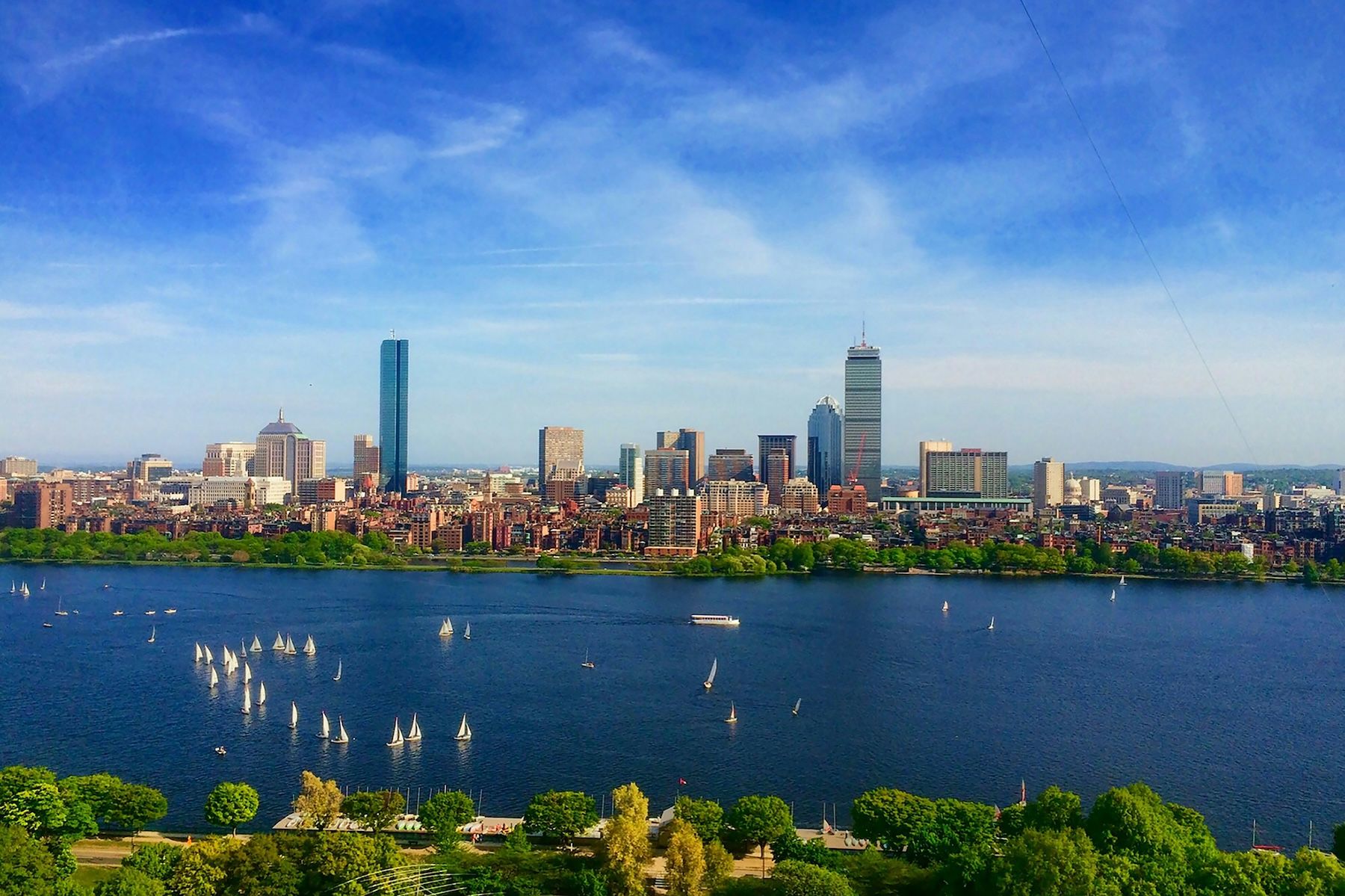
Boston (Foxborough), USA
Stadium: Gillette Stadium Capacity: 65,000 Nearest airport: Boston Logan International Airport (BOS)
Boston is one of the oldest cities in the United States, known for its world-famous universities, historic neighbourhoods and passionate sports culture.
Gillette Stadium, located in Foxborough, hosts the New England Revolution (MLS) and the NFL’s Patriots, and is part of a wider entertainment district that includes training facilities and public fan spaces.
At the heart of Texas culture, Dallas is defined by its bold scale, contemporary design, unwavering local pride, and passionate sporting traditions.
Home of the NFL’s Dallas Cowboys, AT&T Stadium is one of the largest enclosed stadiums in the world. The stadium's vast interior and enormous high-definition screens create an immersive match-day experience. The venue has previously hosted Super Bowls, international football matches and global concerts.
Houston, USA
Stadium: NRG Stadium Capacity: 72,220 Nearest airport: George Bush Intercontinental Airport (IAH)
Houston is one of the most diverse cities in the USA, shaped by a growing international community and its prominent role in the space industry as the home of NASA.
These qualities are reflected in NRG Stadium, a pioneering venue that was the first in the NFL to include a retractable roof. Home of the Houston Texans, the stadium ensures consistent playing conditions and a comfortable experience for spectators in the region’s hot summer climate.
Kansas City, USA
Stadium: Arrowhead Stadium Capacity: 76,416 Nearest airport: Kansas City International Airport (MCI)
Located in the American Midwest, Kansas City is often described as one of America’s great sports cities. Arrowhead Stadium, home of the Kansas City Chiefs, is famous for its noise levels. Currently holding the Guinness World Record for loudest crowd roar at a sports stadium, Arrowhead is expected to deliver one of the tournament’s most electrifying atmospheres.
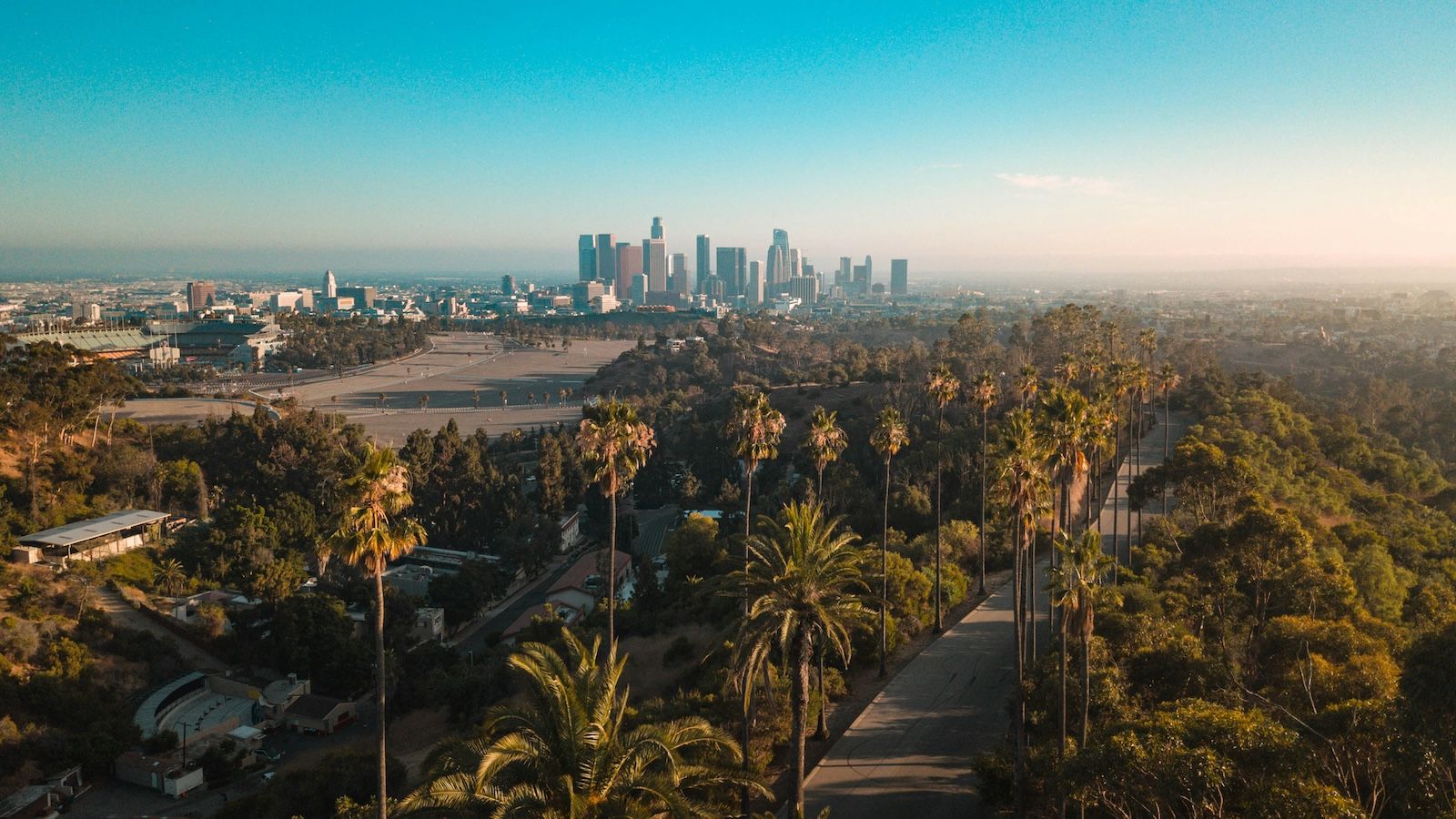
Los Angeles, USA
Stadium: SoFi Stadium Capacity: 70,240 (expandable to 100,000) Nearest airport: Los Angeles International Airport (LAX)
A global capital of entertainment and creativity, Los Angeles is defined by its cultural reach, creative ambition, and constant reinvention. SoFi Stadium, home to the NFL’s Rams and Chargers, is one of the most technologically advanced venues in world sport.
The stadium's transparent roof, expansive interior and state-of-the-art broadcast capabilities are designed for major global events, while expandable seating of up to 100,000 makes it one of the tournament’s largest arenas. The stadium’s surrounding purpose-built entertainment district enhances the experience for fans, reinforcing Los Angeles as a destination built for unforgettable sporting occasions.
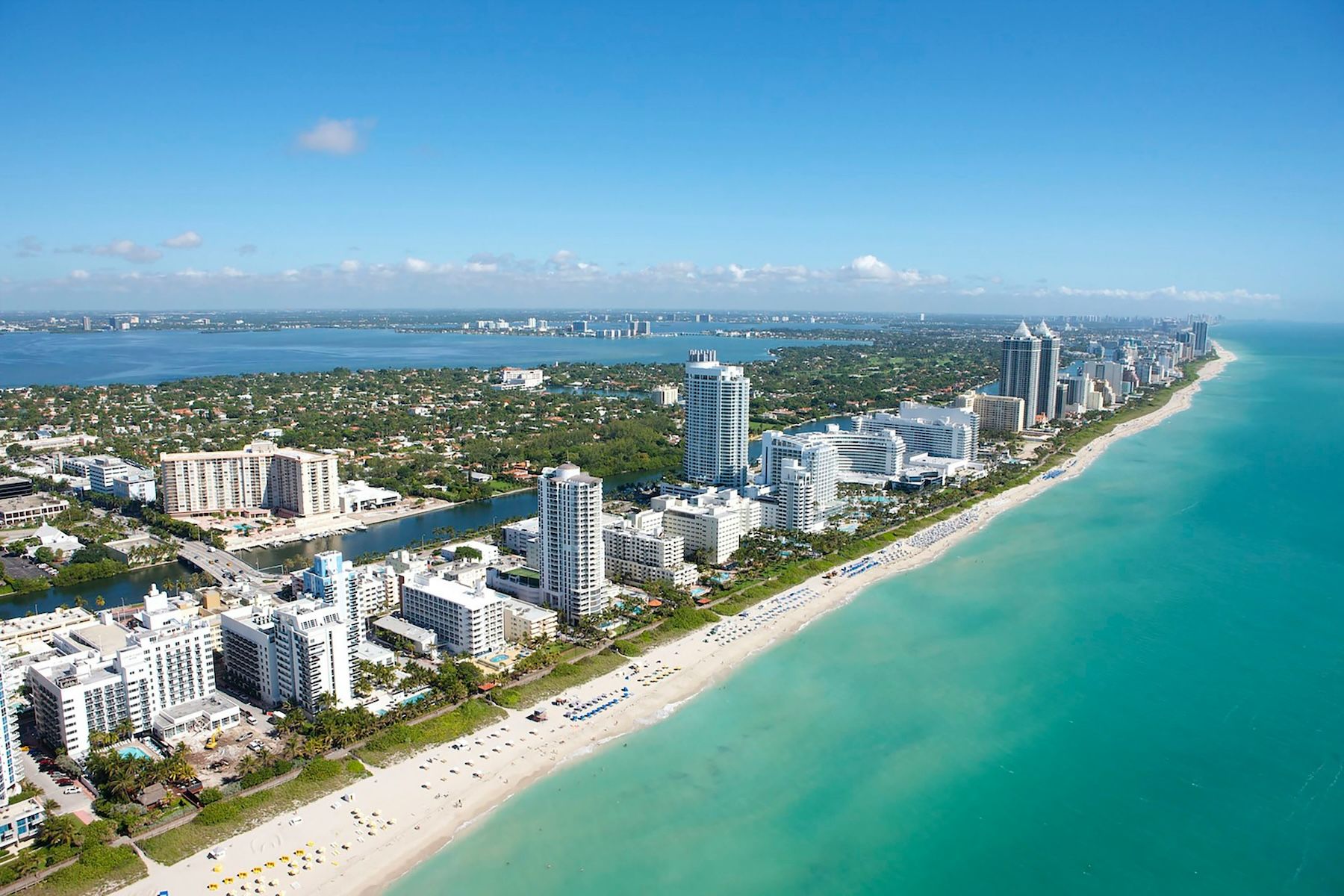
Miami, USA
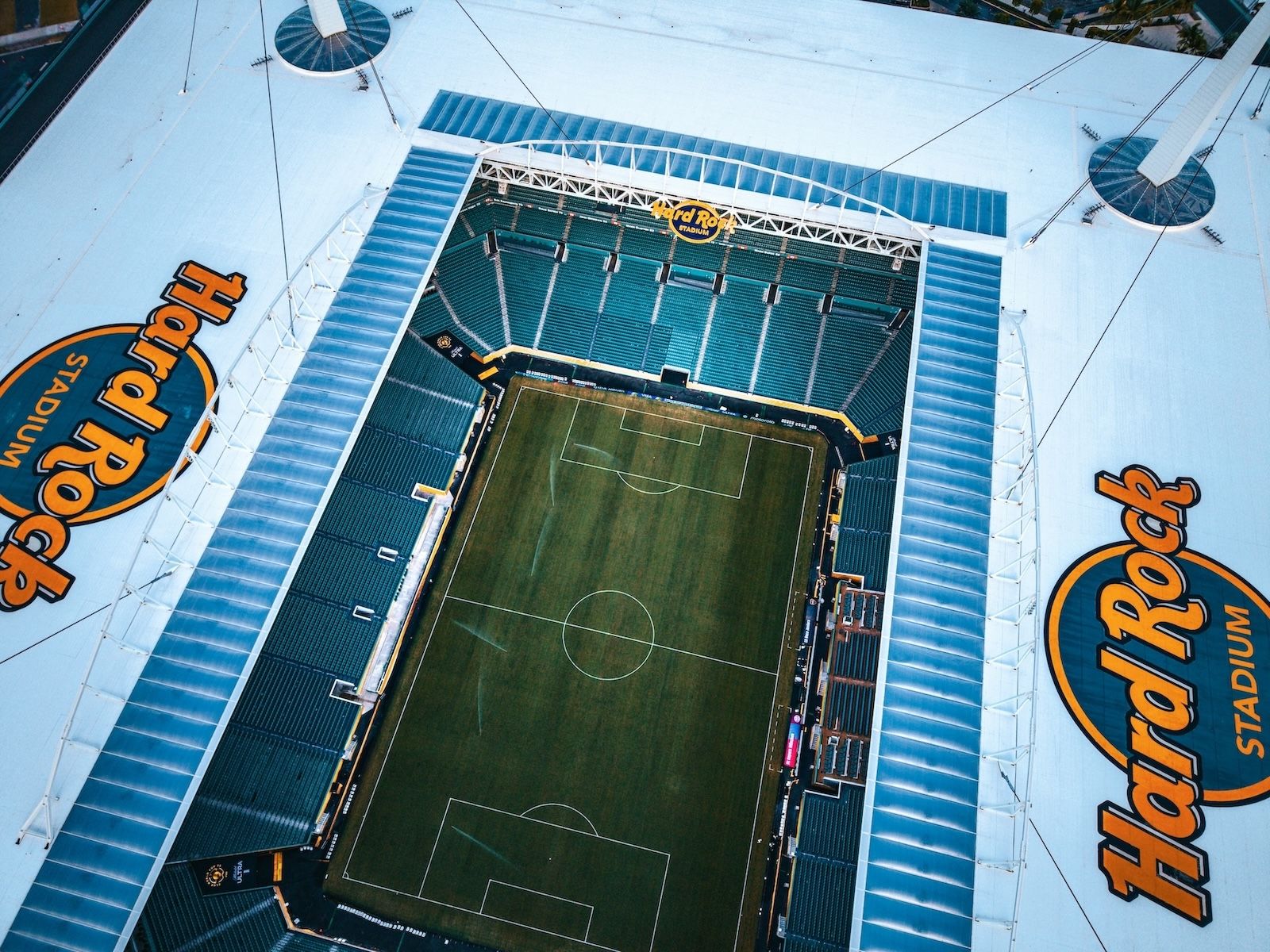
Stadium: Hard Rock Stadium Capacity: 65,000 Nearest airport: Miami International Airport (MIA)
Florida’s best known city, Miami offers a distinctive blend of cultures and a tropical climate, with iconic landmarks such as the Art Deco buildings of Miami Beach and vibrant Wynwood Arts District.
Hard Rock Stadium, home to the NFL’s Miami Dolphins, regularly hosts Copa América fixtures, international friendlies and global events, making the city a dynamic gateway for world football.
New York / New Jersey, USA
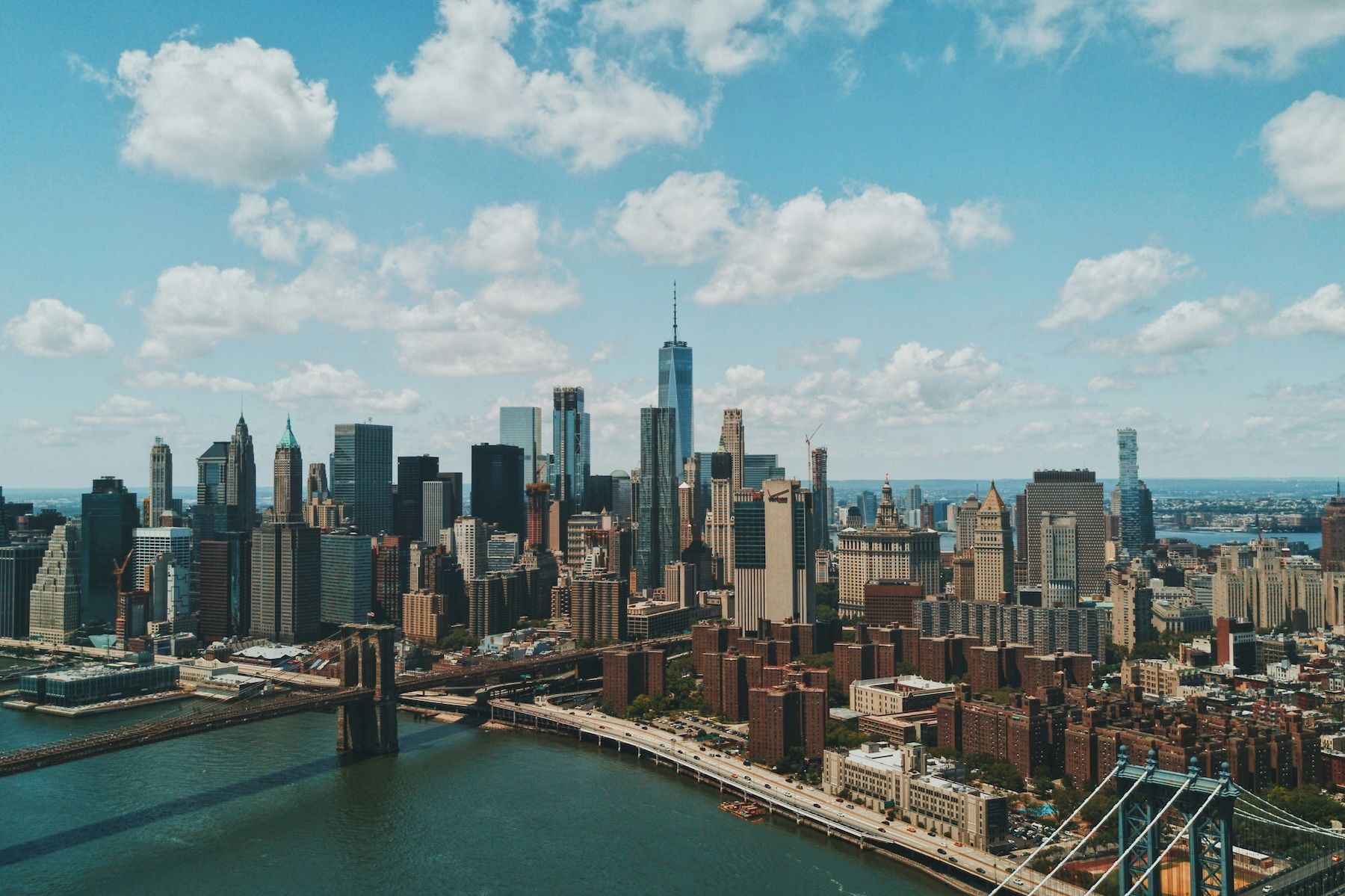
Stadium: MetLife Stadium Capacity: 82,500 Nearest airport: Newark Liberty International Airport (EWR)
New York is a global icon of culture, finance, media and the arts, renowned for Times Square, the Statue of Liberty, Broadway theatres, and its distinctive city skyline.
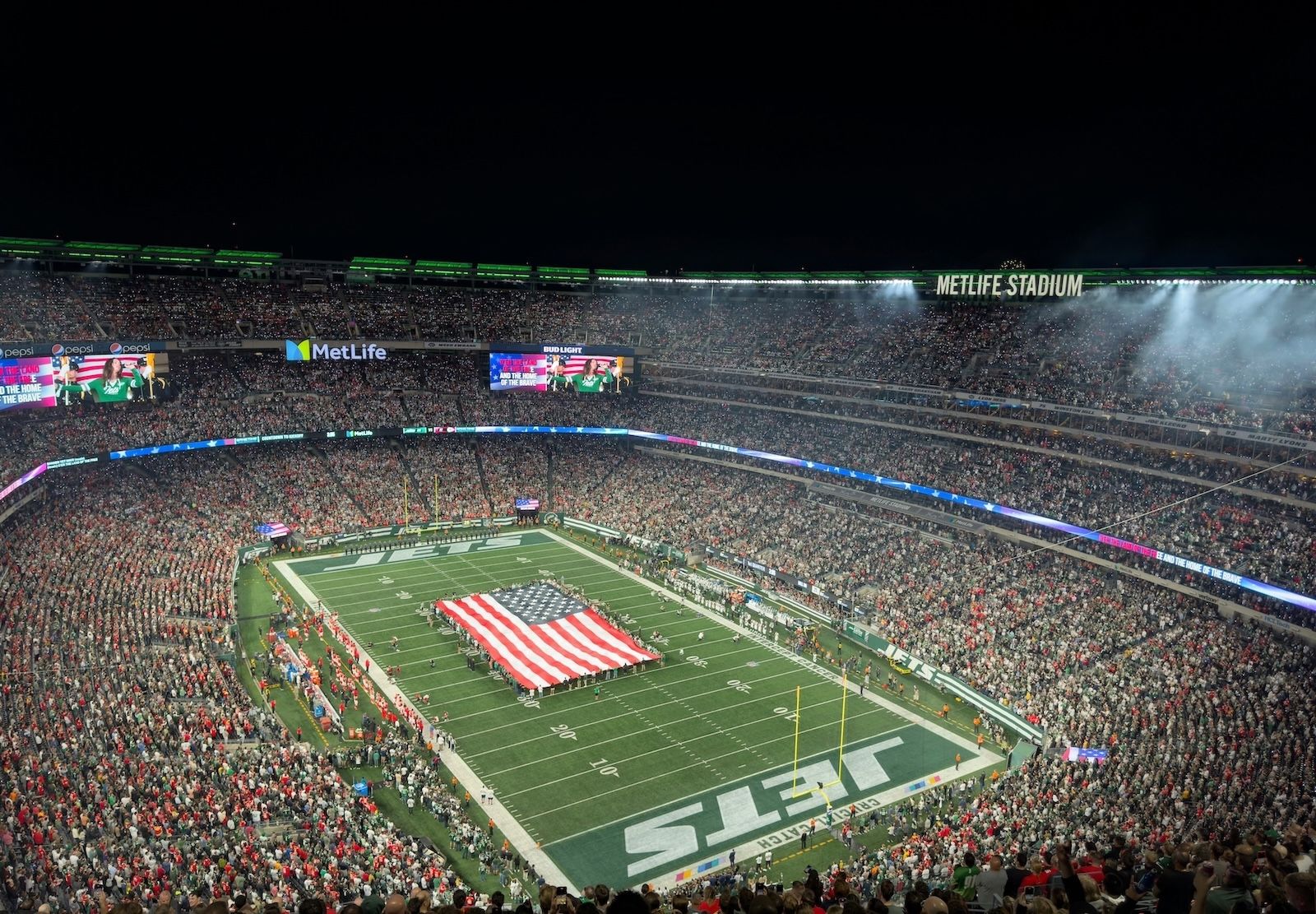
Located in nearby New Jersey, MetLife Stadium, shared by the New York Giants and Jets, will host the World Cup final, bringing football’s biggest match to one of the world’s most recognisable urban landscapes.
Philadelphia, USA
Stadium: Lincoln Financial Field Capacity: Nearly 70,000 Nearest airport: Philadelphia International Airport (PHL)
Often described as the birthplace of the United States, and the country’s first UNESCO World Heritage City, Philadelphia is also home to a fiercely loyal sporting culture.
Lincoln Financial Field, home of the Philadelphia Eagles, lies within a central sports complex, offering supporters easy access and an intense, close-to-the-pitch atmosphere with unobstructed views of the action.
San Francisco Bay Area (Santa Clara), USA
Stadium: Levi’s Stadium Capacity: 68,500 Nearest airport: San José Mineta International Airport (SJC)
Shaped by technological innovation and social change, San Francisco's Bay Area is synonymous with Silicon Valley and countercultural movements alike.
Levi’s Stadium, home to the San Francisco 49ers, reflects this forward-looking identity through energy-efficient, sustainability-led design.
Seattle, USA
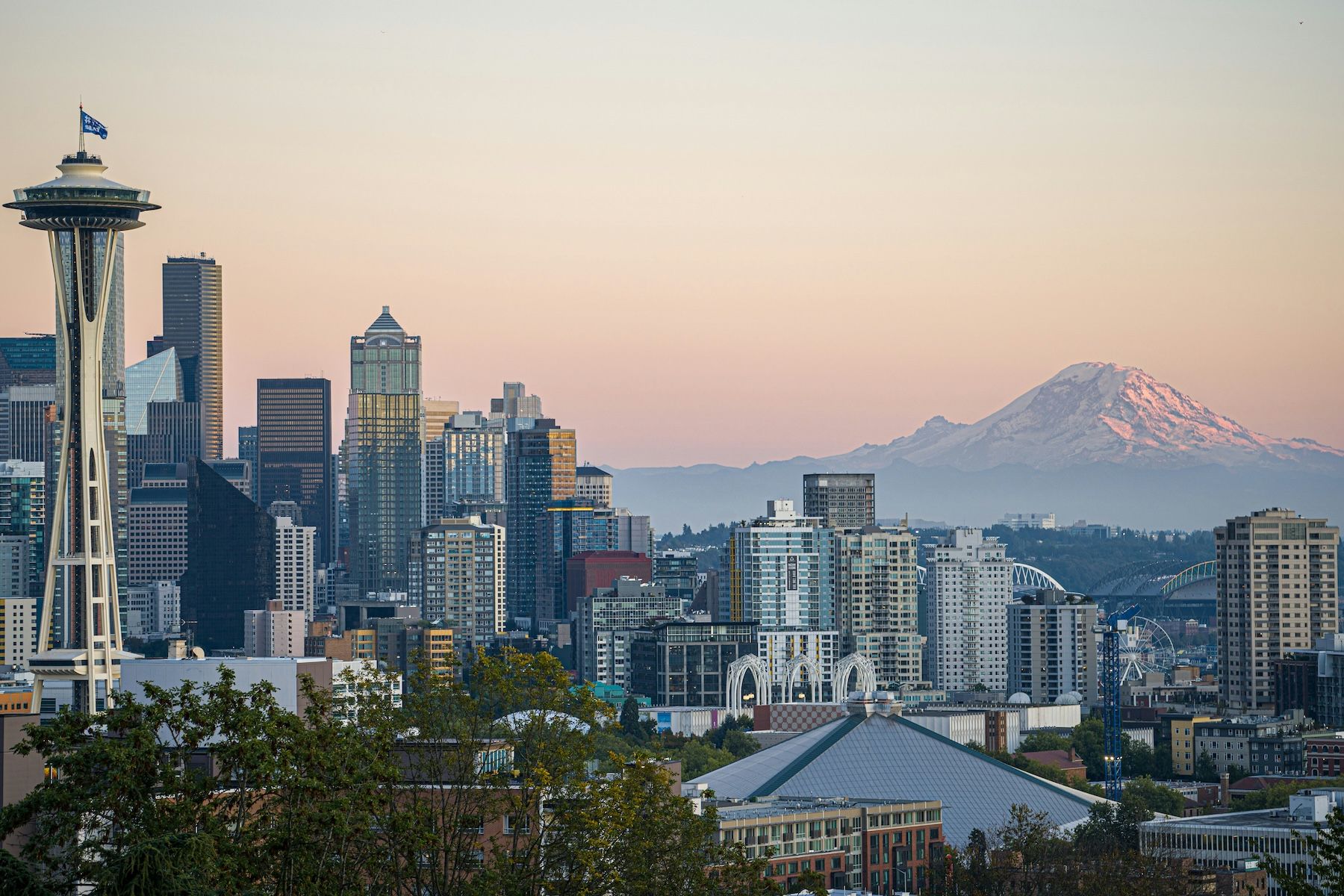
Stadium: Lumen Field Capacity: 68,740 Nearest airport: Seattle-Tacoma International Airport (SEA)
Framed by the northern Pacific Ocean, forests and mountain landscapes, Seattle is known for its strong civic identity and progressive outlook.
Lumen Field is famed for its acoustic design, which amplifies crowd noise, and serves as home to both the NFL’s Seattle Seahawks and the highly supported Seattle Sounders (MLS).
Toronto, Canada
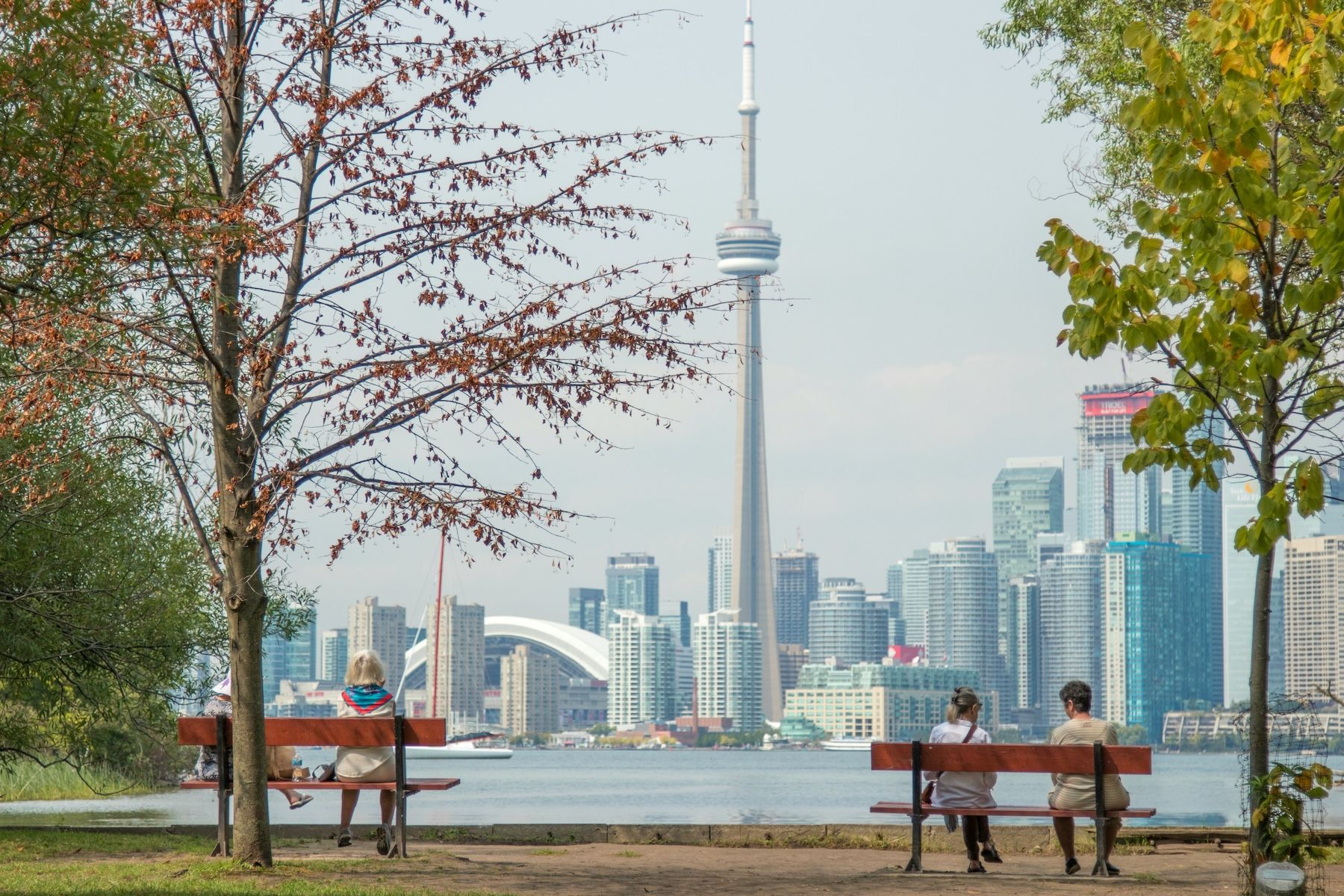
Stadium: BMO Field Capacity: 30,000 Nearest airport: Toronto Pearson International Airport (YYZ)
One of the most multicultural cities in the world, Toronto is a major centre of finance, arts, and innovation, with vibrant neighbourhoods, a renowned culinary scene, and cultural institutions.
BMO Field, home to Toronto FC (MLS) and the CFL’s Toronto Argonauts, sits on the city’s waterfront, offering a rare setting for World Cup match days.
Vancouver, Canada
Stadium: BC Place Capacity: 54,500 Nearest airport: Vancouver International Airport (YVR)
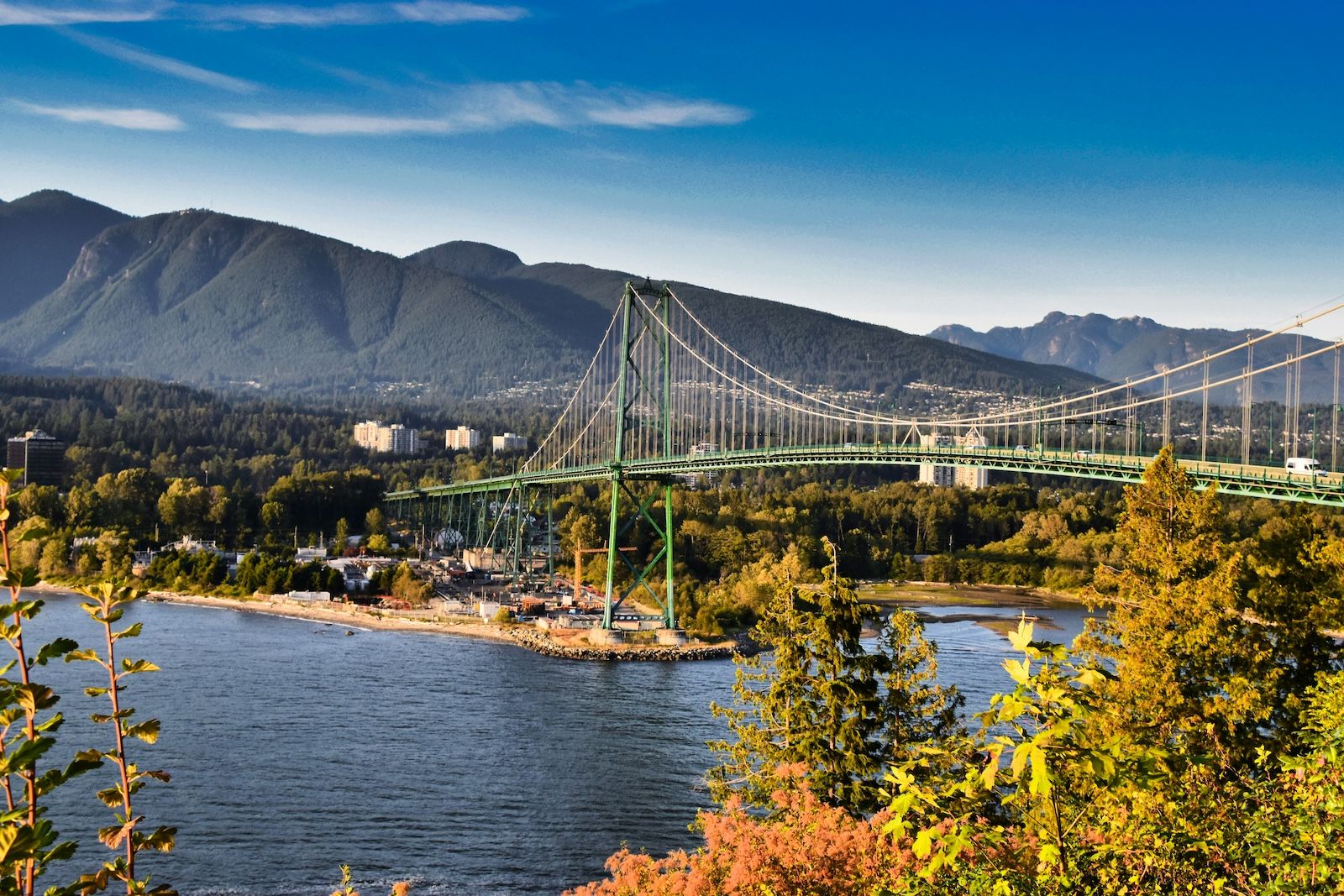
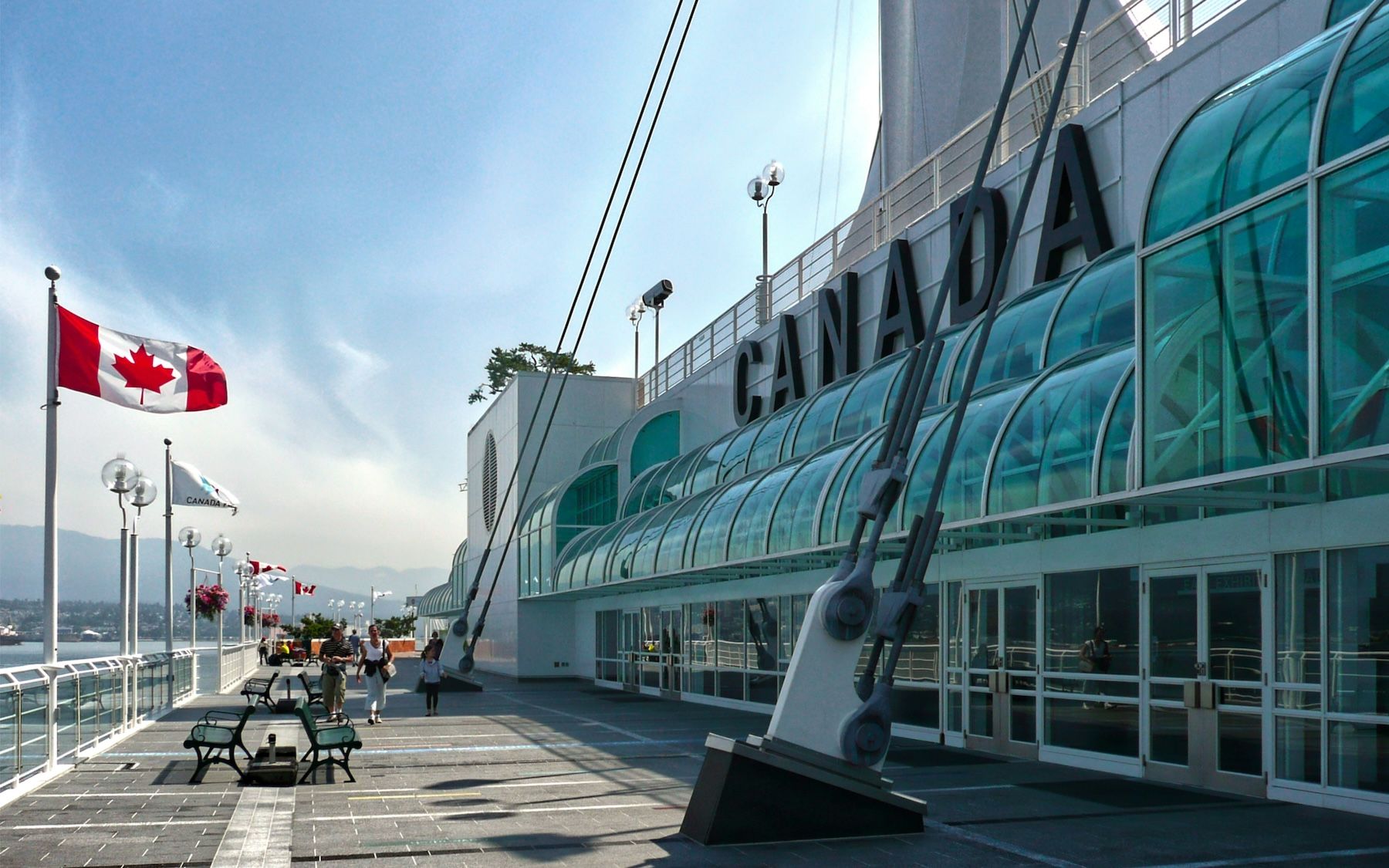
Vancouver is celebrated for its stunning natural surroundings, including mountains, ocean and parks, offering visitors easy access to outdoor adventures alongside the city experience.
BC Place, home to the Canadian Football League’s BC Lions and Vancouver Whitecaps (MLS), features a retractable roof and a central location, making it convenient for spectators to reach the stadium and explore the city between matches.
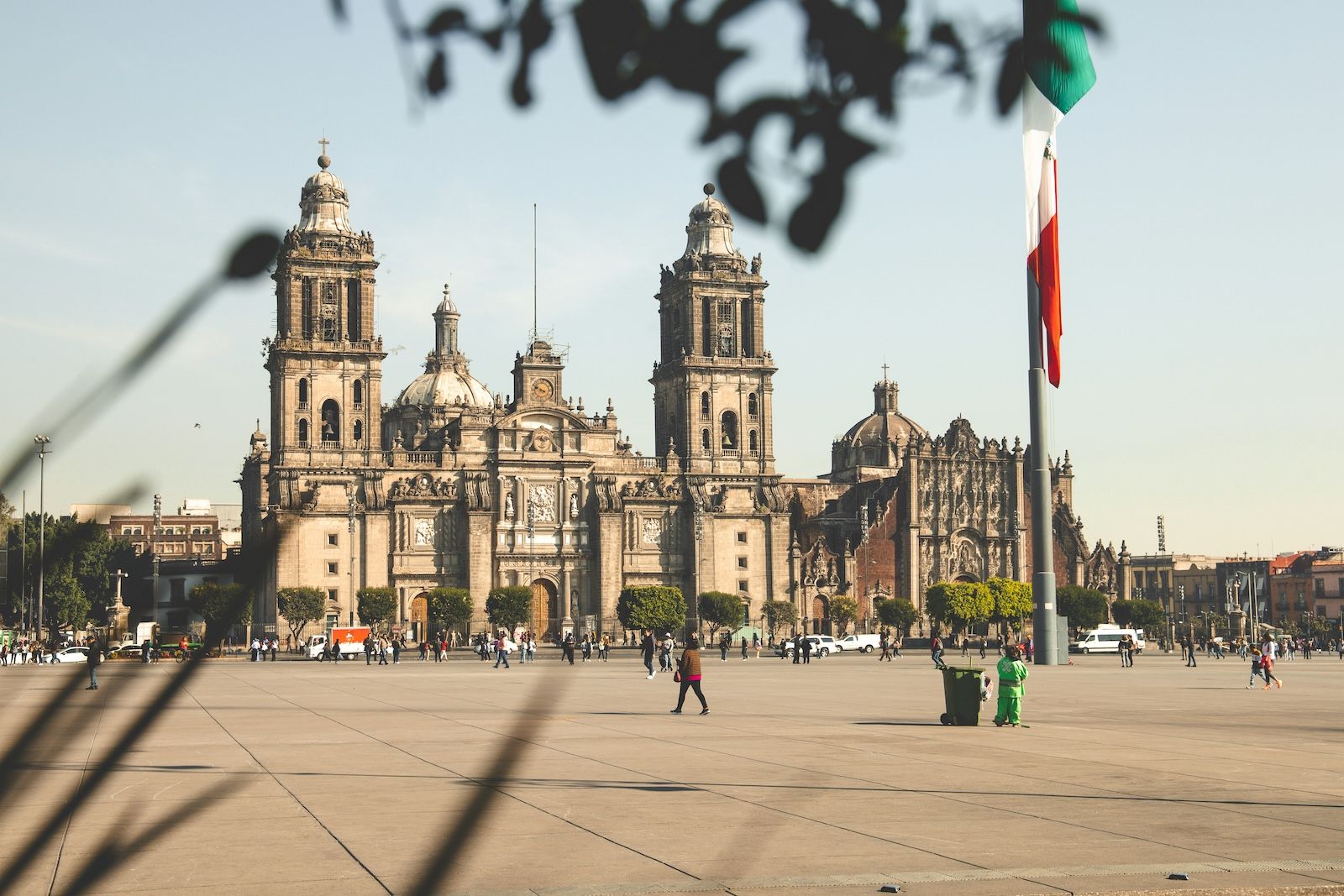
Often regarded as the cultural heart of western Mexico, Guadalajara is celebrated for its vibrant mariachi music, historic plazas, and the colourful architecture of its historic centre. Football fans are drawn to the city for its passionate supporters and lively match day atmosphere.
Estadio Akron hosts Club Deportivo Guadalajara (Chivas) and reflects the city’s deep-rooted connection to football.
Mexico City, Mexico
Stadium: Estadio Azteca Capacity: 87,523 Nearest airport: Mexico City International Airport (MEX)
The largest Spanish-speaking city in the world, Mexico City is a vast, high-altitude capital layered with history. One of football’s most iconic venues, home to Club América and the Mexican national team, the Estadio Azteca will become the first stadium to host matches at three men’s World Cups.
Surrounded by dramatic mountain ranges, Monterrey is a powerhouse of Mexico’s economy, renowned for its manufacturing and industrial infrastructure, as well as its contemporary architecture. Estadio BBVA, home to C.F. Monterrey, stands out for its striking design, panoramic views and state-of-the-art facilities, making it one of the most visually distinctive venues of the tournament.
Key Stadiums to Look Forward to
Among the many venues, several stand out as likely stages for defining moments of the World Cup 2026:
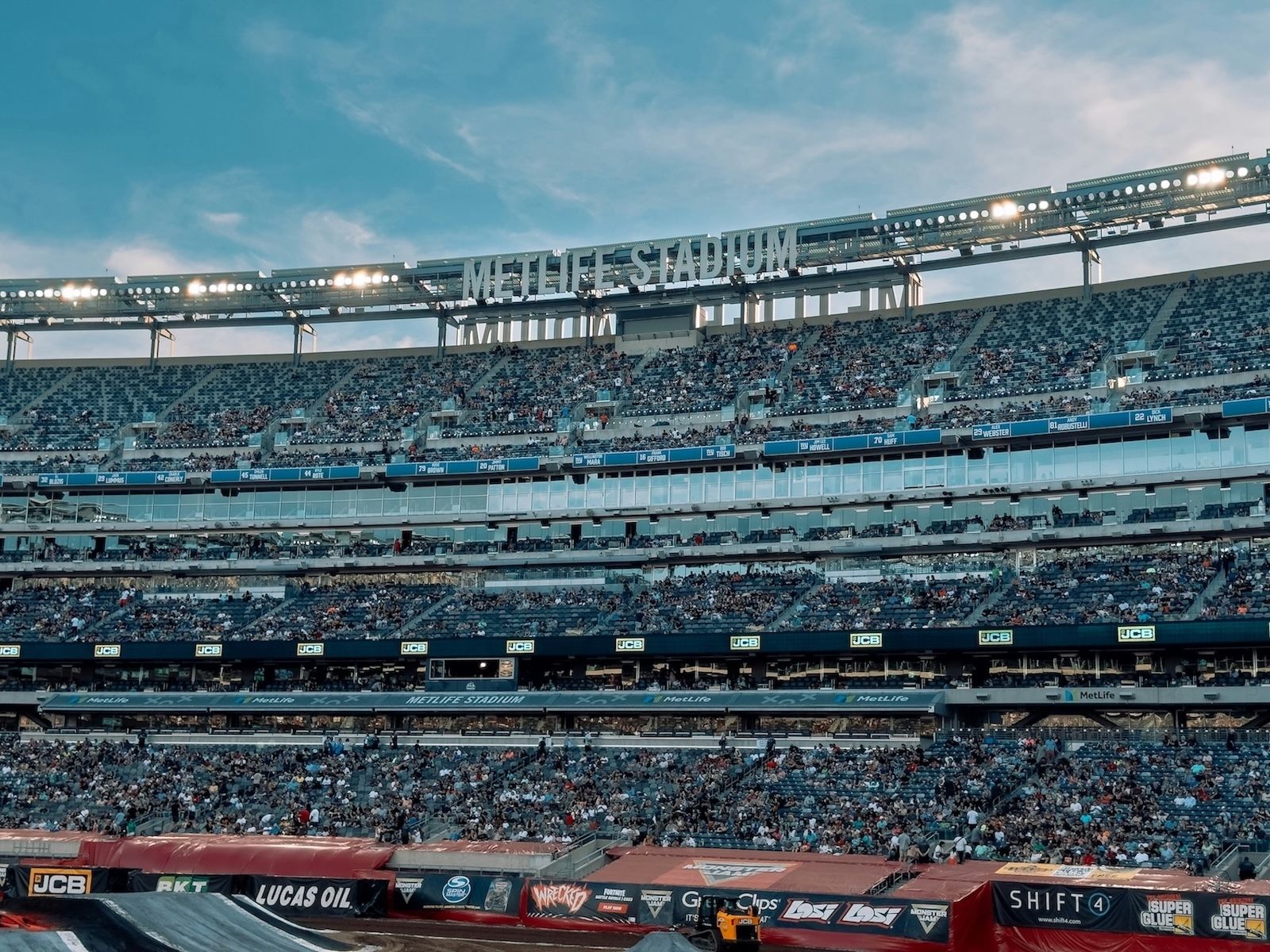
MetLife Stadium, New York / New Jersey
Expected to host the World Cup 2026 final, MetLife Stadium sits at the heart of the New York metropolitan area. Its seating capacity of 82,500 makes it the largest stadium in the NFL (the North American american-football league).
Its design is a neutral blend of traditional and modern aesthetics, featuring an exterior facade of aluminium louvers and glass that can be dynamically lit in blue or green for the two main football teams playing there (the Giants and the Jets).
The stadium incorporates significant technological innovations for sustainability. Key features include a “Solar Ring” composed of 1,350 solar panels lining the roof, which generates enough renewable energy to power the stadium’s LED lighting system.
MetLife Stadium has hosted numerous world-class events, showcasing its versatility and readiness for major spectacles. Notable events include:
Super Bowl XLVIII in 2014, the first outdoor, cold-weather Super Bowl
WrestleMania 29 and 35, which set attendance and revenue records for the WWE
The Copa América Centenario Final in 2016
Matches for the 2025 FIFA Club World Cup
AT&T Stadium, Dallas
One of the largest enclosed stadiums in the world, AT&T Stadium in Dallas, Texas, has a seating capacity of 80,000, which can be expanded to over 100,000 with standing room. A focal point is the enormous, centre-hung HD video board, once the world’s largest, measuring almost 50 by 22 metres.
The stadium employs various technologies including a bio-composting system for organic waste, energy-efficient LED lighting systems and water conservation measures.
AT&T Stadium versatility is demonstrated by the diverse, major events it has hosted:
Super Bowl XLV in 2011
The 2010 NBA All-Star Game, which holds the Guinness World Record for the highest-attended basketball game ever with 108,713 fans
WrestleMania 32 in 2016, which set an attendance record for the event
The annual Cotton Bowl Classic college football game
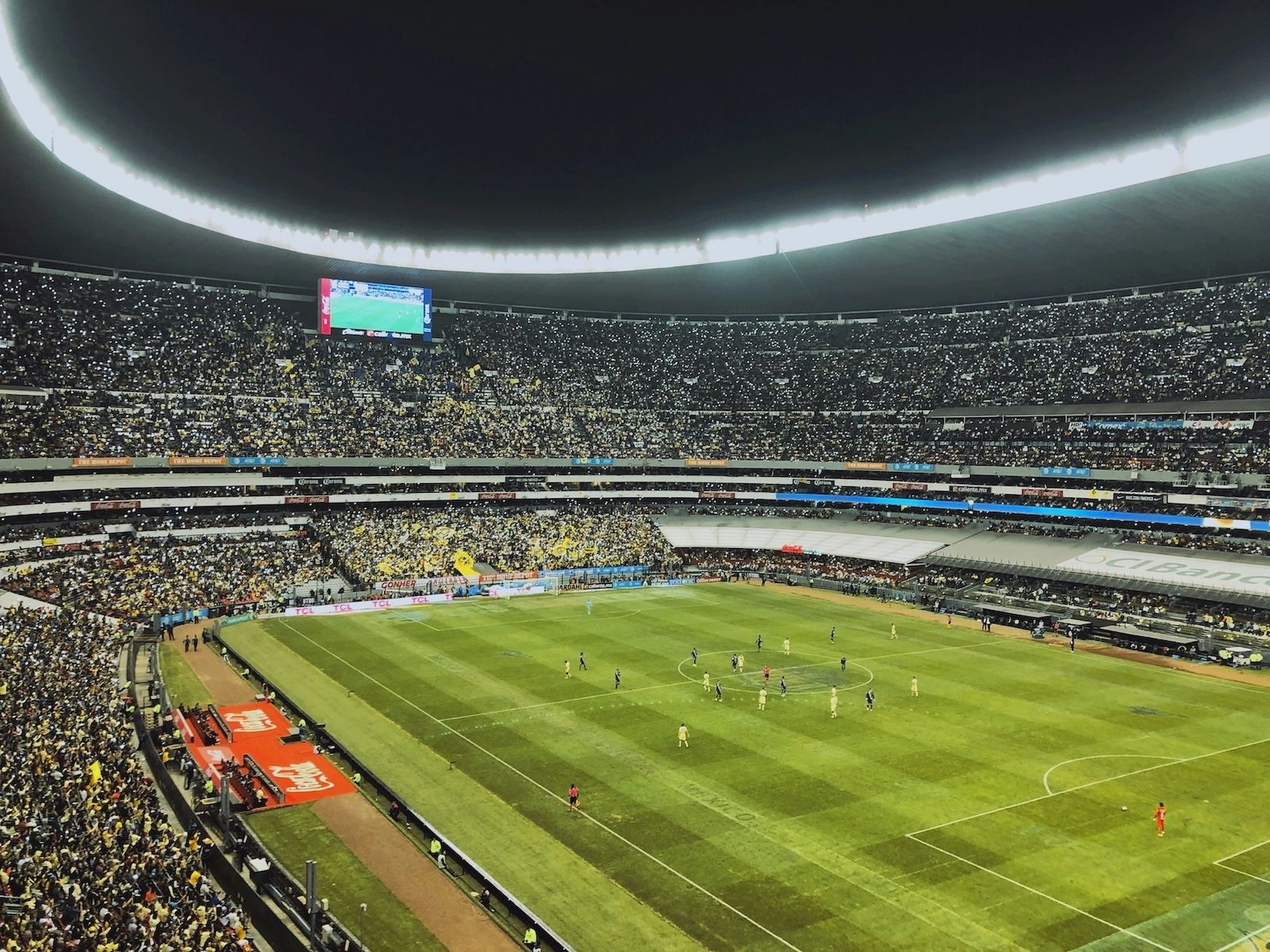
Estadio Azteca, Mexico City
Inaugurated in 1966, Mexico City’s Estadio Azteca has an unparalleled football history, having hosted the opening matches and finals of World Cups in 1970 and 1986.
Also known as El Coloso de Santa Úrsula, its classic bowl-style design has been maintained through various renovations. The stadium is also currently going through a major modernisation to meet FIFA standards for the 2026 World cup and it is expected to host the first fixture on Thursday 11th June. It will be the stadium’s third time hosting a FIFA World Cup opening game.
The Estadio Azteca is a venue steeped in football history, where:
Pelé won his third World Cup in 1970
Diego Maradona scored both the Hand of God and the Goal of the Century in 1986
The Game of the Century (Italy vs West Germany, 1970 semi-final) was played
SoFi Stadium, Los Angeles
Architecturally distinctive, SoFi Stadium features a transparent roof, cutting-edge broadcast technology and expandable seating up to 100,000. As one of the newest venues in world football, it represents the tournament’s modern, future-facing ambition.
The building has a massive, translucent Ethylene Tetrafluoroethylene (ETFE) roof that covers the entire stadium, an adjacent performance venue and a public plaza, while allowing natural light and airflow. It also has 28,000 embedded LED lights visible even from the planes at nearby LAX airport.
SoFi Stadium is a model of sustainability, holding a LEED Gold certification. Technological innovations include a six-acre lake that collects and filters around 70% of all stormwater runoff for use in irrigating the surrounding parklands.
The stadium has quickly built a significant history of hosting events, showcasing its versatility and readiness for world-class spectacles:
Super Bowl LVI in 2022
The 2023 College Football Playoff National Championship
WrestleMania 39 in 2023
Mercedes-Benz Stadium, Atlanta
The Mercedes-Benz Stadium in Atlanta is a leading multi-purpose venue with a standard seating capacity of around 71,000, expandable to over 83,000 for major events. Its innovative design, inspired by the oculus of the Roman Pantheon, features a unique eight-panel retractable roof that opens and closes like a camera lens.
When it comes to sustainability, this facility stands out as the first professional sports stadium in North America to achieve a LEED Platinum certification. Key technological innovations include 4,000 solar panels that generate approximately 1.6 million kilowatt-hours of renewable energy and a leading zero-waste programme.
The Mercedes-Benz Stadium has hosted numerous important events since opening in 2017:
Super Bowl LIII in 2019
The College Football Playoff National Championship in 2018
The MLS Cup Final in 2018
World Cup Schedule and Matches
The World Cup 2026 schedule will follow a familiar progression, beginning with the group stage before moving into an expanded knockout phase. Here is a more detailed view:
Qualifiers: concluded prior to the tournament, determining the 48 participating nations.
Group Stage: scheduled from 11th to 27th June 2026. This phase consists of 12 groups of four teams each, where the top two from each group, and the eight best third-placed teams advance to the new Round of 32.
Knockout Phase: commences with the Round of 32 and progresses to the final.
Key Matches & Dates For Your Calendar:
Opening Match: the tournament kicks off on 11th June 2026 at Estadio Azteca in Mexico City.
Group Stage: daily matches across all host cities in the USA, Canada and Mexico, from 11th to 27th June 2026.
Round of 32: Played from 28th June to 3rd July 2026.
Round of 16: scheduled from 4th to 7th July 2026 onwards.
Quarter-Finals: to be played on 9th, 10th and 11th July 2026.
Semi-Finals: set for 14th and 15th July 2026.
Bronze Final for Third-Place Runner Up: 18th July 2026
Final match: the ultimate showpiece event takes place on 19th July 2026 at MetLife Stadium in New York.
Past men’s tournaments typically lasted about four weeks, and the 2026 tournament will extend roughly a week longer due to the increased number of teams and matches.
How to Get World Cup 2026 Tickets
Demand for World Cup 2026 tickets is high, so fans should act early. A wide range of ticket categories are available, from single-match tickets to team-specific series and hospitality packages. Prices generally vary according to the stage of the tournament, seat location, and host country, with opening matches and the final in highest demand.
Tickets are being released in phases, with record-breaking demand. According to FIFA, over 150 million ticket requests have been submitted from 200 countries. The third phase, from 11th December to 13th January, used a random selection draw for single-match tickets and successful applicants will be notified in February 2026. A final first-come, first-served phase is expected closer to the start of the tournament.
The safest way to purchase tickets is through FIFA’s official website. FIFA also operates a secure resale marketplace. While it allows fans to exchange tickets safely, the official organiser takes a 30% fee, shared between seller and buyer. Supporters are strongly advised to avoid unofficial resale platforms, where prices are often inflated and authenticity cannot be guaranteed.
For those unable to get stadium seats, each host city will provide fan festivals with large screens, creating a lively, family-friendly atmosphere to watch the matches.
Planning Your World Cup 2026 Visit
Attending the World Cup 2026 will mean long-distance travel for many supporters. With matches taking place across three countries, planning well in advance will make the experience far more enjoyable.
In cities where hotel space is limited, accommodation is best booked early. Some fans may choose to base themselves in one region and follow their team there, keeping travel times more manageable. Flights, rail services and long-distance coaches will all play a role in moving fans between host cities.
Entry requirements differ by nationality and host country, so it is also worth checking visa rules for the USA, Canada and Mexico, as well as passport validity and any health guidance before travelling. While events of this scale often require enhanced security measures, host cities are preparing coordinated systems to help visitors move around with ease.
Taking time to understand local customs, from language differences to everyday etiquette, can also add depth to the experience, helping supporters feel more connected to the places they are exploring.
A Shared Future for Global Football
The World Cup 2026 is set to unite football fans across continents, showcasing the sport’s power to bring people and cultures together. As Canada, Mexico and the United States prepare to welcome the world, the tournament will create shared memories across borders, languages and traditions.
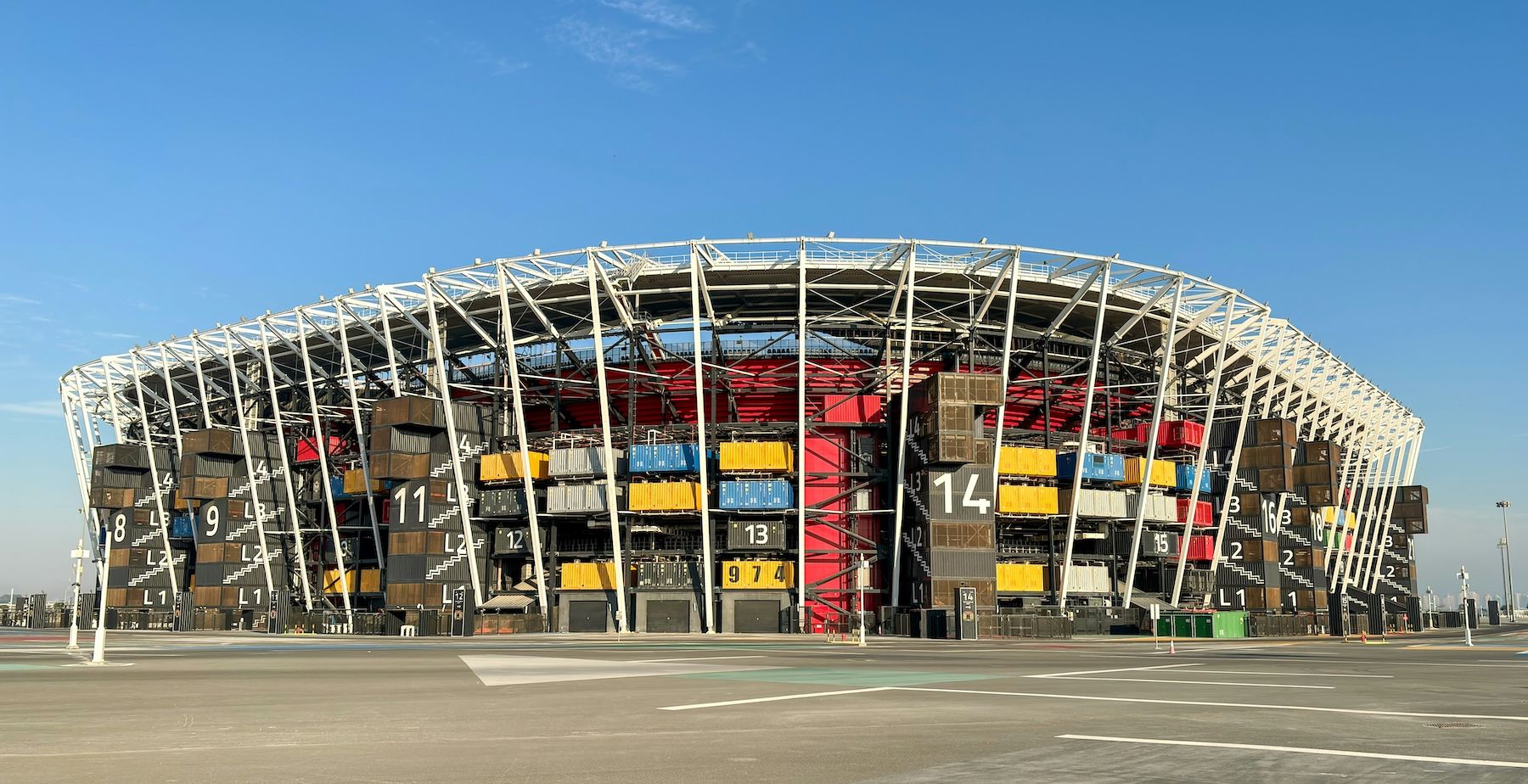
For Qatar, host of the 2022 World Cup, the upcoming edition offers an exciting opportunity to extend its own football legacy through the Qatar Canada and Mexico 2026 Year of Culture.
Building on the success of previous editions, including the Qatar - USA 2021 Year of Culture, collaborations with fellow host nations Canada and Mexico will continue to use football as a bridge for cultural exchange and create a lasting impact beyond the tournament itself.
Explore upcoming events in Qatar and be part of the Qatar Canada and Mexico 2026 Year of Culture.
More Articles
This website uses cookies for a better experience.