Maple Syrup: The Origin and Production of a Canadian Symbol
2026/01/28
Maple syrup is often one of the first things people associate with Canada. Found on breakfast tables around the world, it is both a household staple and an enduring symbol of Canadian culture.
Shaped by geography, climate and long-standing traditions, maple syrup reflects Canada’s relationship with the land and its natural resources.
In this article, we’ll explore what maple syrup is, how it is made, where it comes from and why it continues to be so important, both within Canada and beyond.
What is Maple Syrup?
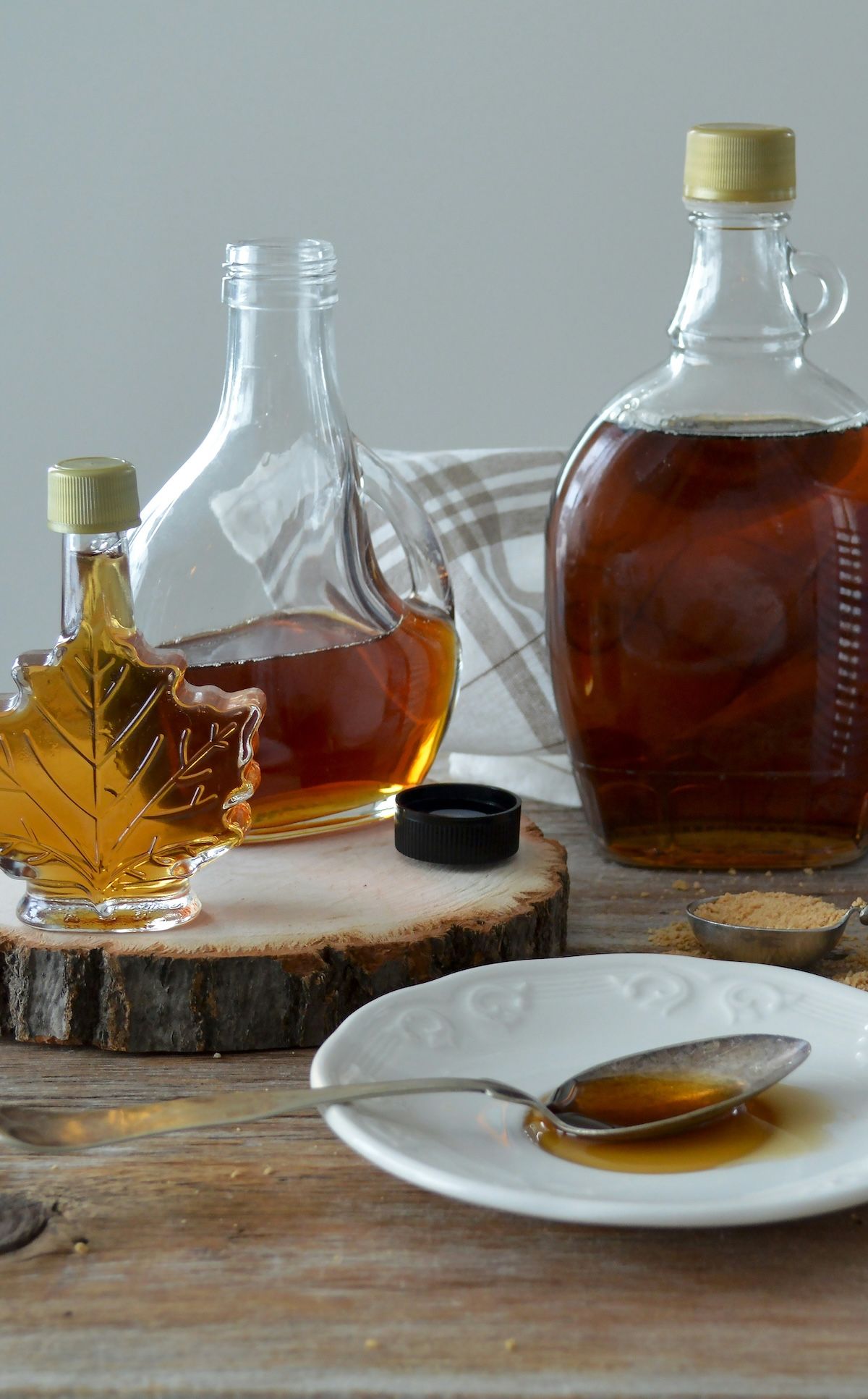
Maple syrup is a natural sweetener made by concentrating the sap of maple trees, most commonly the sugar maple (Acer saccharum). Sap is collected during a brief period in late winter and early spring, when freezing nights and milder daytime temperatures allow it to flow within the tree.
Fresh sap is clear and contains only a small amount of sugar, usually around 2-3 %. To produce maple syrup, the sap is heated to remove water, increasing the sugar concentration to approximately 66%. The result is a thick, amber-coloured syrup with a distinctive flavour. On average, around 40 litres of sap are needed to make one litre of syrup.
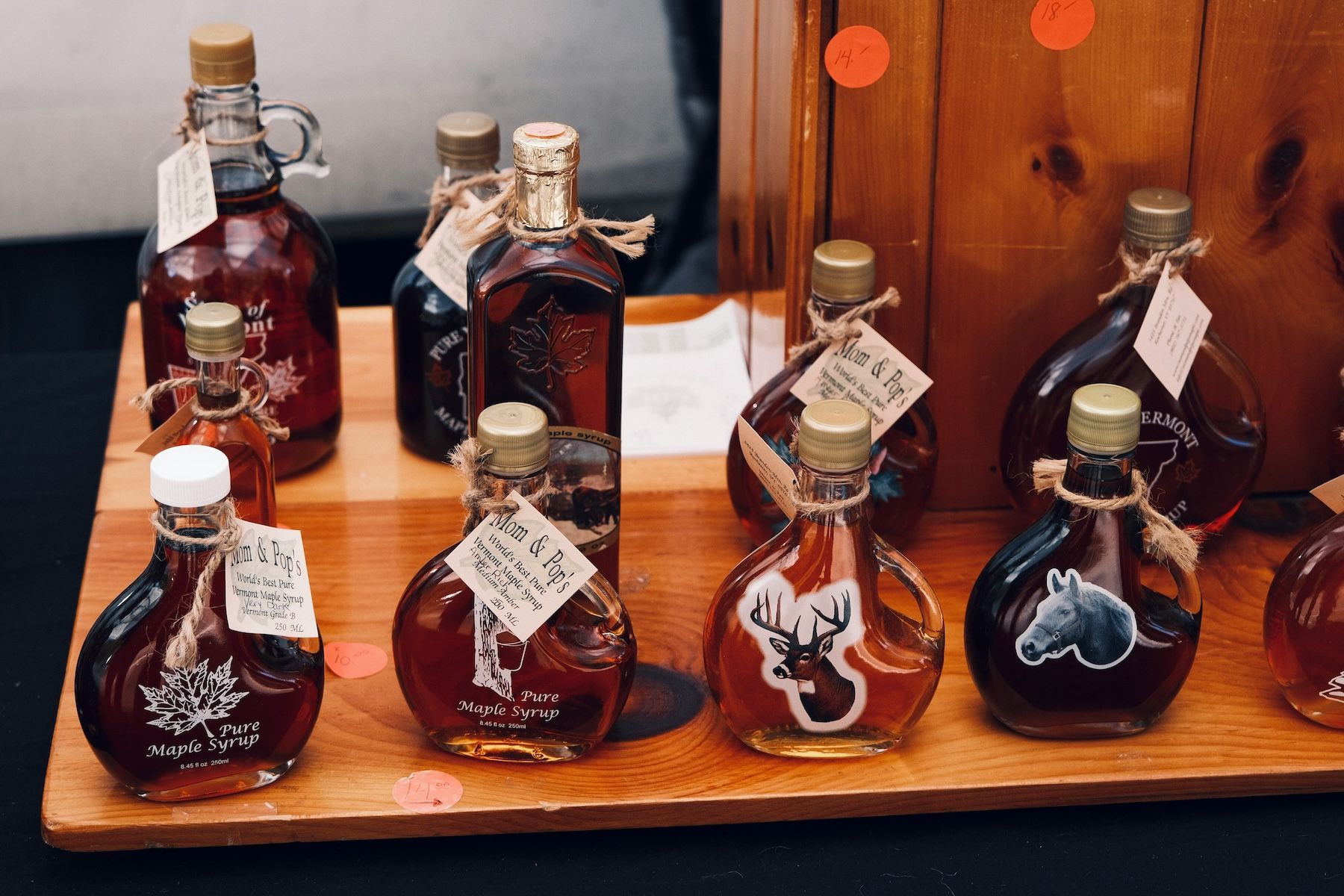
Authentic maple syrup contains no additives or artificial ingredients. Its colour and flavour also vary depending on when it is harvested. Syrup produced early in the season is typically lighter with a more delicate taste, while later harvests yield darker syrup with a stronger flavour.
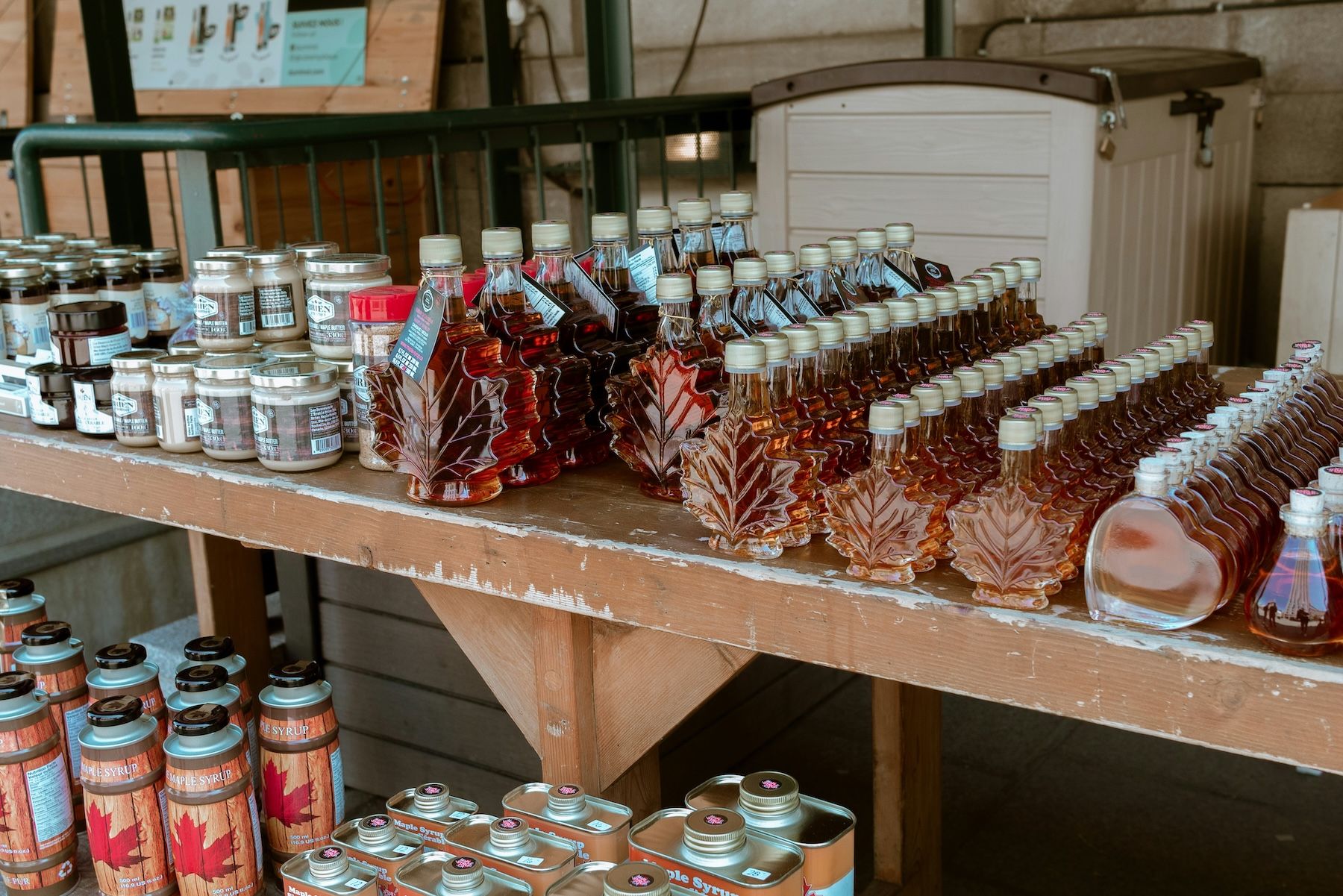
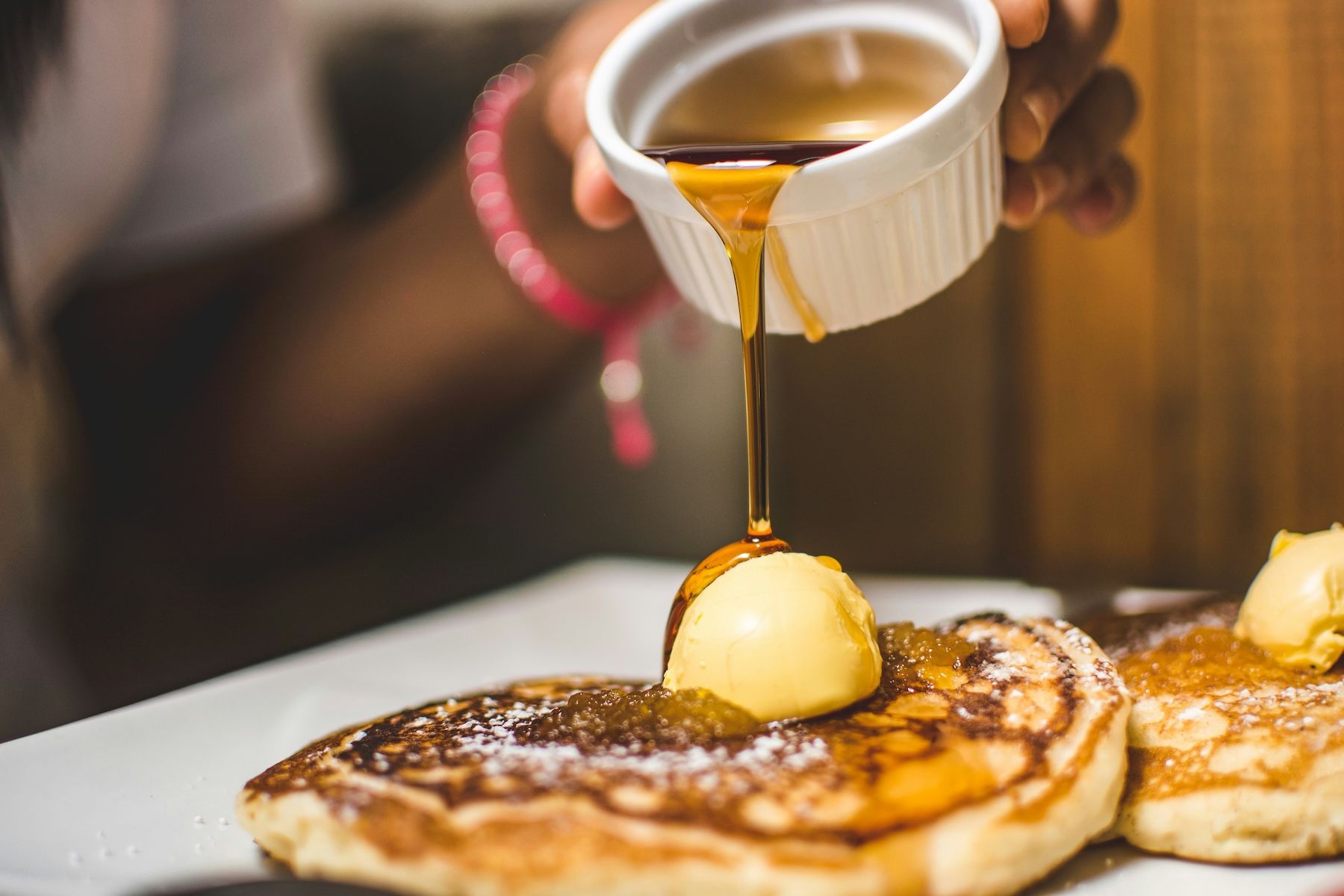
Maple syrup is widely used in cooking and baking. While it is best known as a topping for pancakes and waffles, it is also used in desserts, sauces, marinades and baked goods. As a plant-based product, it is suitable for vegetarian and vegan diets, and its complex flavour allows it to replace refined sugar in many recipes.
Maple Syrup as a Canadian Symbol
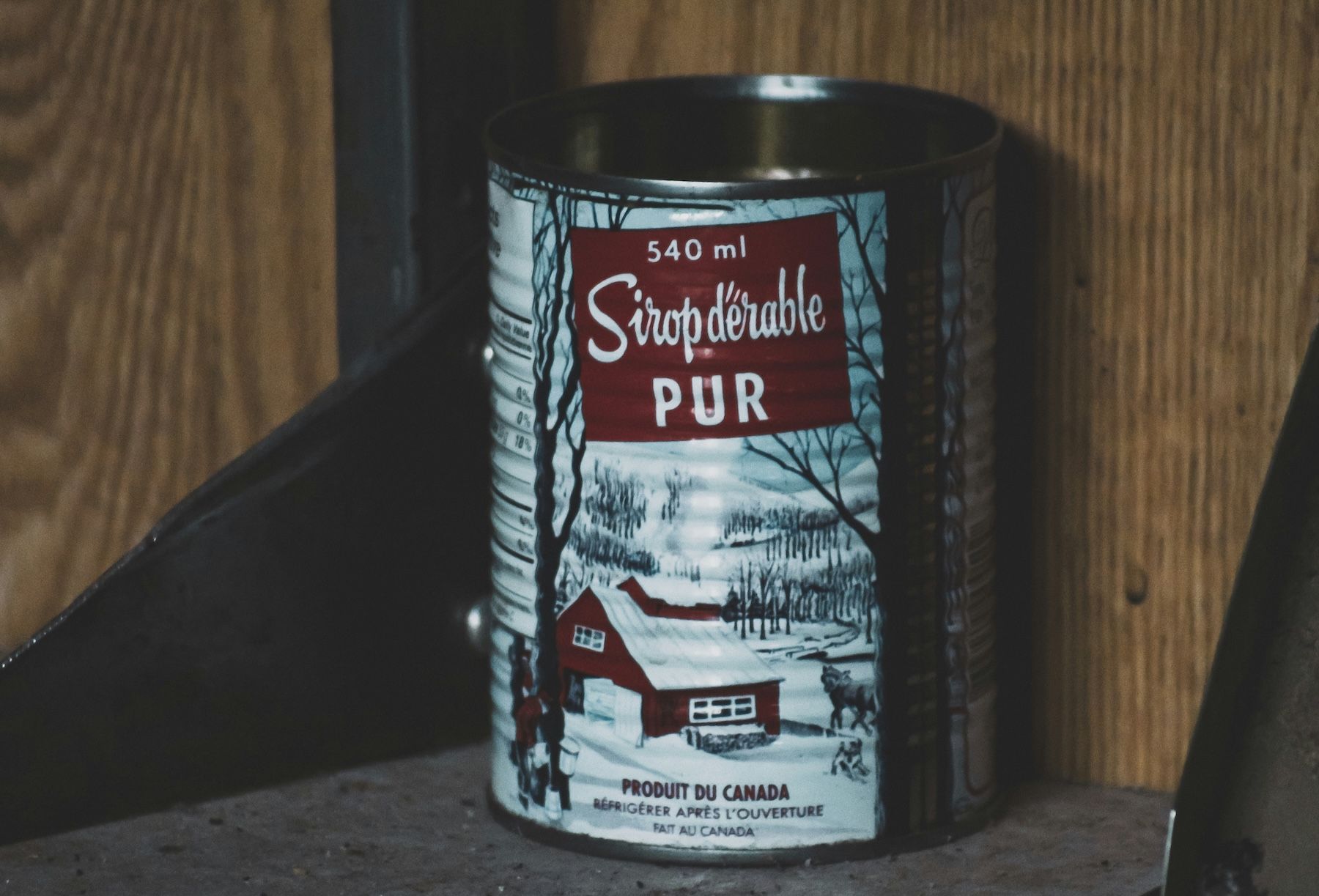
Maple syrup holds a distinctive place in Canada’s cultural and economic life. Canada produces approximately 70% of the world’s maple syrup, with Quebec accounting for the majority of that output. Ontario, New Brunswick and Nova Scotia also play important roles in production.
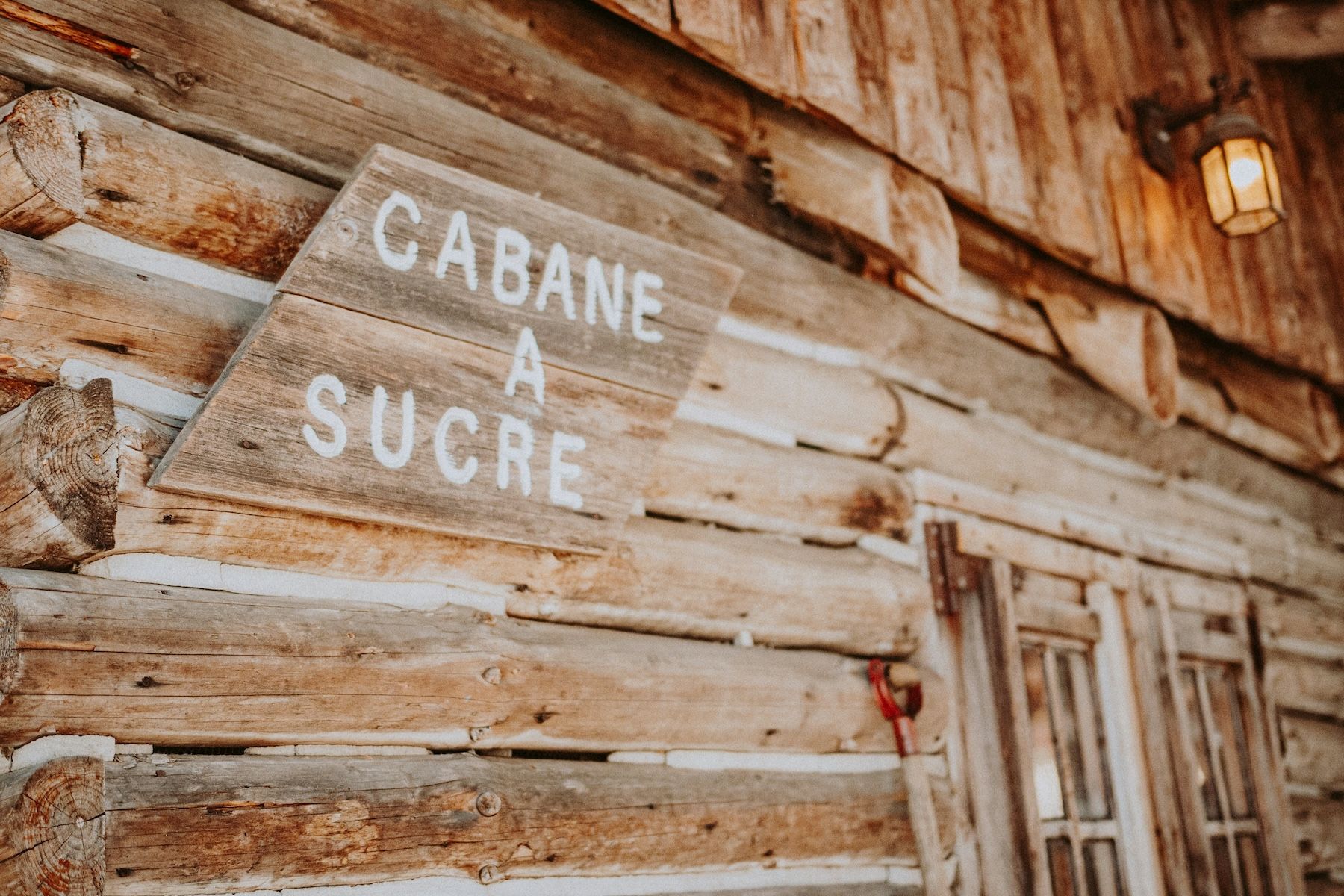
Beyond its economic importance as a key export, maple syrup is closely tied to Canadian identity. Seasonal sugar shacks, known as cabanes à sucre, become social spaces during the spring harvest, where families and friends come together. These festivals, tastings and open days reinforce the connection between food production and community life.
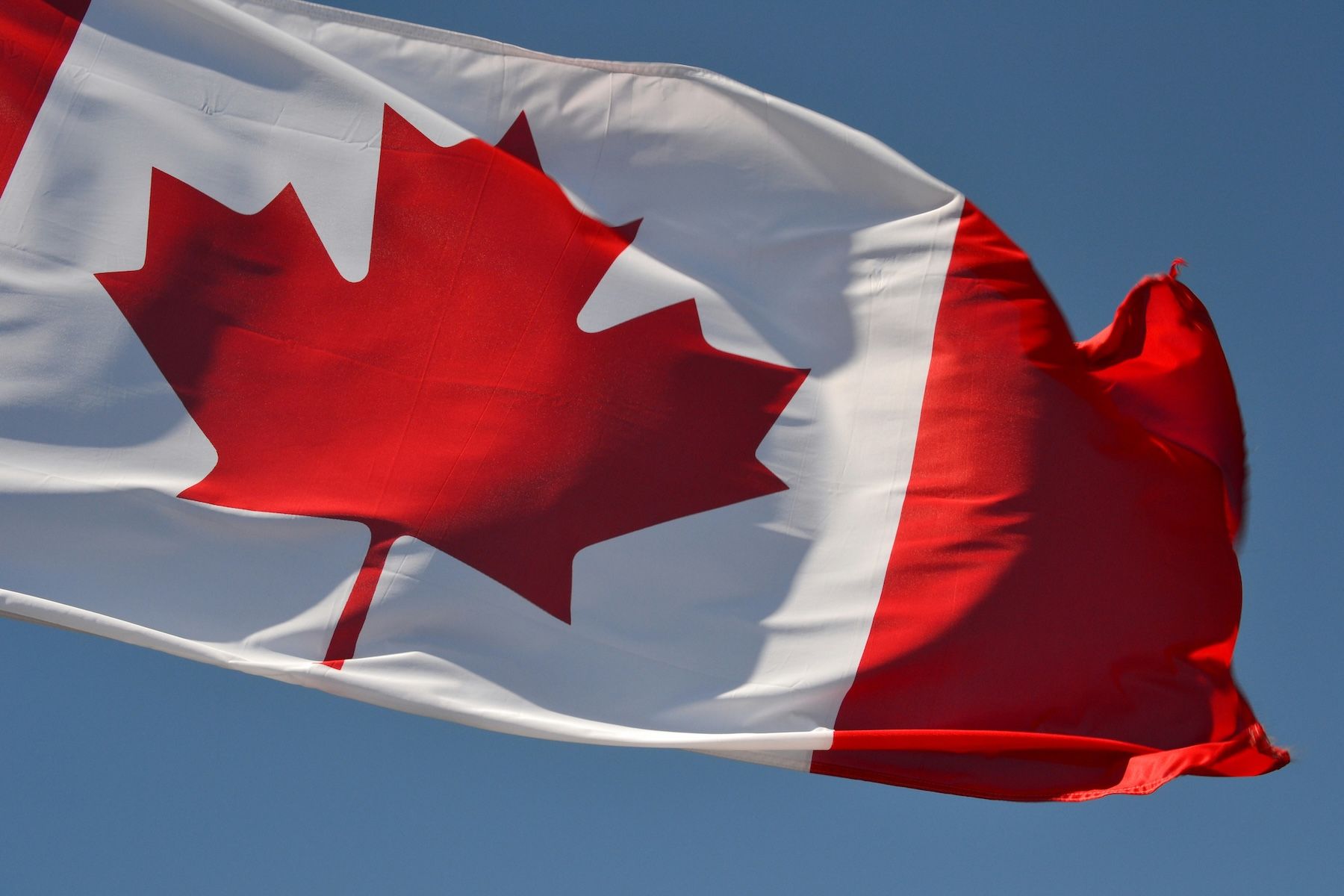
The maple tree itself is also deeply symbolic in Canada. The maple leaf, now one of the most recognisable national emblems, appears prominently on the Canadian flag, further reinforcing the link between maple syrup and Canadian national identity.
Origin and History of Maple Syrup
Indigenous Origins
Maple syrup production originates with Indigenous peoples of northeastern North America, including the Haudenosaunee, Anishinaabe and Algonquin nations. Long before European settlers arrived, these communities developed methods to harvest sap and transform it into syrup and sugar.
Sap was traditionally collected by making small cuts in the tree and directing the liquid into containers made from bark or carved wood. Water was removed by heating the sap, often using hot stones placed directly into the liquid. The resulting syrup or sugar provided an important source of energy, particularly after long winters when food supplies were limited.
Maple harvesting also held cultural significance. Seasonal cycles were embedded in social structures, and knowledge was passed down through generations. Respect for the tree and the forest was central to these practices, ensuring that harvesting remained sustainable over time.
Adoption by European Settlers
European settlers learned maple syrup production techniques directly from Indigenous communities during the 17th and 18th centuries. Over time, they introduced metal tools, such as iron kettles, which made boiling more efficient.
Maple sugar, easier to store and transport than syrup, became an important household sweetener in rural areas and an alternative to imported cane sugar, particularly during periods of trade disruption. As settlements expanded, small family operations refined their methods, laying the groundwork for the commercial industry that exists today.
Traditional Practices of Maple Syrup Production
Traditional maple syrup production was labour-intensive and closely tied to environmental conditions. Producers carefully monitored temperature patterns, as sap flow depends on specific freeze-thaw cycles.
Trees were tapped using hand tools known as spires, and sap was collected in buckets attached directly to the trunk. These buckets were emptied by hand and the sap was heated over open fires. The process required constant attention and significant physical effort.
Many smaller producers continue to use elements of these traditional methods today. While modern equipment has improved efficiency, the core principles of production remain unchanged.
The Evolution of Maple Syrup Production
During the 20th century, maple syrup production underwent significant technological change. Tubing systems replaced individual buckets, allowing sap to flow directly from trees to collection tanks. Vacuum systems increased yields and reduced labour demands.
Evaporation technology also improved, allowing for better temperature control. Reverse osmosis systems removed some of the water from sap before boiling, which reduced energy use and shortened processing time.
Despite these developments, maple syrup production remains seasonal and climate-dependent. It cannot be fully industrialised or produced year-round, reinforcing its close connection to specific regions and natural conditions.
How Maple Syrup is Made Today: Modern Production Methods
Today’s maple syrup production follows a well-defined process. It begins with tapping maple trees in late winter or early spring. Small holes are drilled into the trunk, and spiles are inserted to allow sap to flow out.
Sap is collected through tubing networks or buckets and transported to a sugarhouse, where it is filtered to remove debris before evaporation. Controlled heating removes excess water and gradually increases sugar concentration.
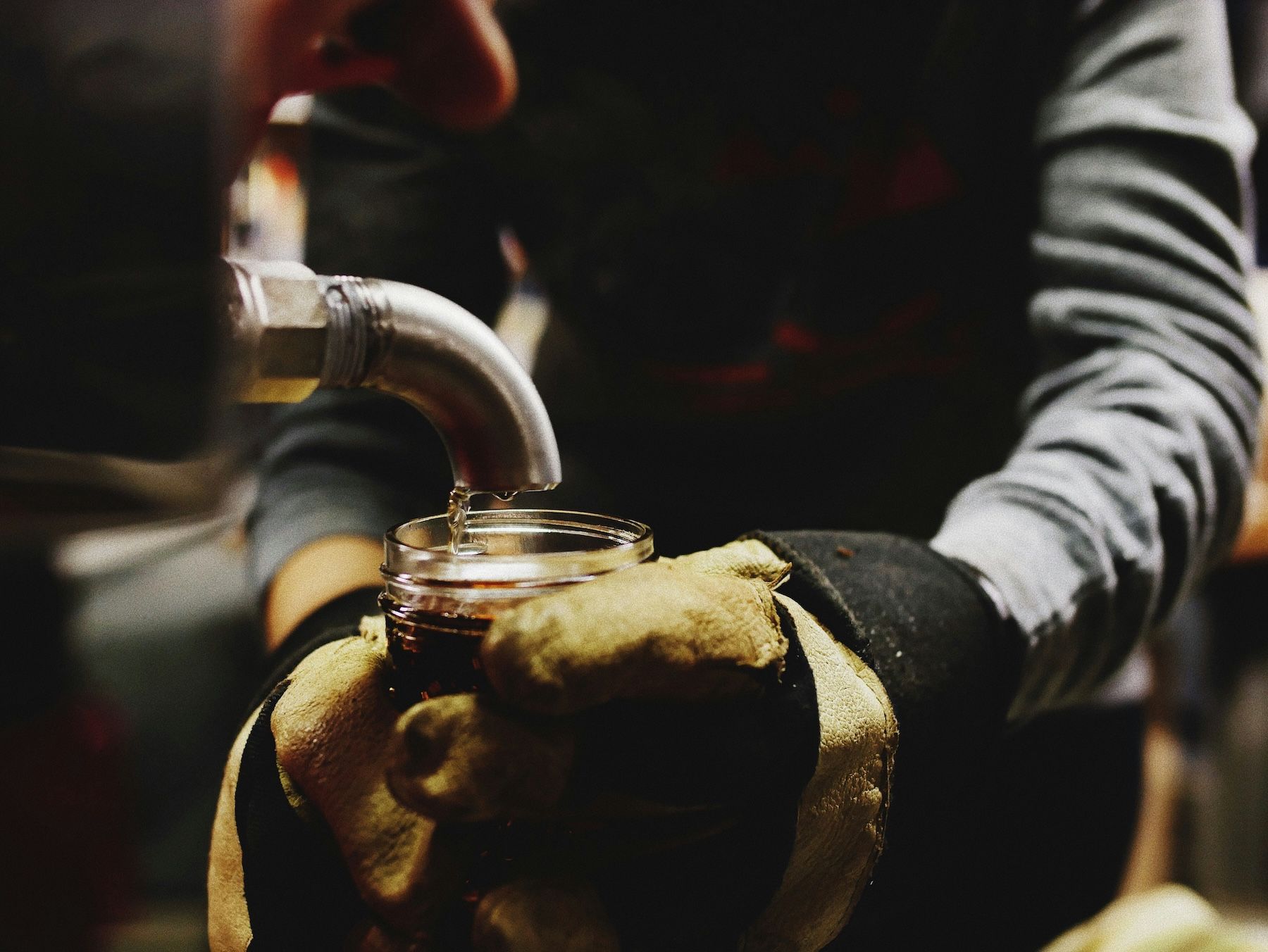
Once the syrup reaches the required density, it is filtered again to remove mineral deposits known as sugar sand. It is then graded by colour and flavour, bottled, and sealed while still hot to ensure quality and safety.
Sustainability in Maple Syrup Production
Sustainability is vital to maple syrup production, as the industry depends on long-term forest health. Trees are tapped carefully, with guidelines limiting the number of taps per tree based on size and age to prevent damage.
Many producers manage sugarbushes with an emphasis on biodiversity. Mixed forests support wildlife and help reduce the risk of disease and pest outbreaks, while selective thinning and careful trail management protect soil and root systems.
Certification programmes and regional standards encourage responsible practices and help ensure that maple syrup production remains viable for future generations.
Maple Syrup Nutritional Profile and Health Benefits
Maple syrup is often chosen as a natural alternative to refined sugar. While it remains a source of added sugar and should be consumed in moderation, it offers a different nutritional profile from highly processed sweeteners.
Maple Syrup Nutrition
Pure maple syrup consists primarily of carbohydrates in the form of natural sugars. It also contains small amounts of minerals, including manganese, zinc, calcium and potassium. Manganese supports bone health and metabolism, while zinc contributes to immune function.
In terms of calories, maple syrup is similar to honey. It has a lower glycaemic index than refined sugar, which means it may lead to a slower increase in blood glucose levels, making it a preferred option for some people managing their sugar intake.
Maple syrup contains no fat, fibre or protein, but its mineral content distinguishes it from many other sweeteners.
Health Benefits of Maple Syrup
Research has identified antioxidant compounds in maple syrup, including polyphenols, which are associated with reducing oxidative stress. Some studies suggest mild anti-inflammatory properties, although maple syrup is not considered a medical treatment or supplement.
Its appeal lies primarily in being minimally processed and derived directly from plant sources. For this reason, it is commonly used in diets that prioritise whole foods and natural ingredients, as well as in plant-based cooking as an alternative to honey.
Uses and Recipes with Maple Syrup
Maple syrup is used in a wide range of sweet and savoury dishes. Traditionally, it is served with popular breakfast foods, such as pancakes, waffles and porridge.
In baking, maple syrup can replace sugar or honey in cakes, biscuits and breads. It is also used in custards, ice creams and other desserts. In savoury cooking, it adds sweetness and balance to salad dressings, marinades and sauces, and is often used to glaze roasted vegetables.
Shared Heritage and Cultural Exchange
Maple syrup reflects the close relationship between land, tradition and innovation that characterises Canadian culture. Rooted in Indigenous knowledge and refined through modern sustainable practices, its production tells a story shaped by respect for nature and the changing seasons.
Beyond its role as a national symbol, maple syrup also serves as a point of cultural connection. Partnerships between countries, such as the 2026 Year of Culture, provide opportunities to explore shared interests in heritage, sustainability and food culture.
In this wider context, maple syrup stands as an example of how a locally rooted product can carry cultural meaning, offering insight into places, communities and shared cultural experiences.