Played across the wide open plains of Argentina’s Pampas, Juego del Pato is considered the country’s national sport. Often confused with Polo, Pato has a unique history and plays a central role in Argentinian culture.
Juego del Pato is defined by its own rules, specialised equipment, and skilled horsemanship, reflecting a tradition that is both steeped in history and still actively practiced today.
Pato’s History and Origins
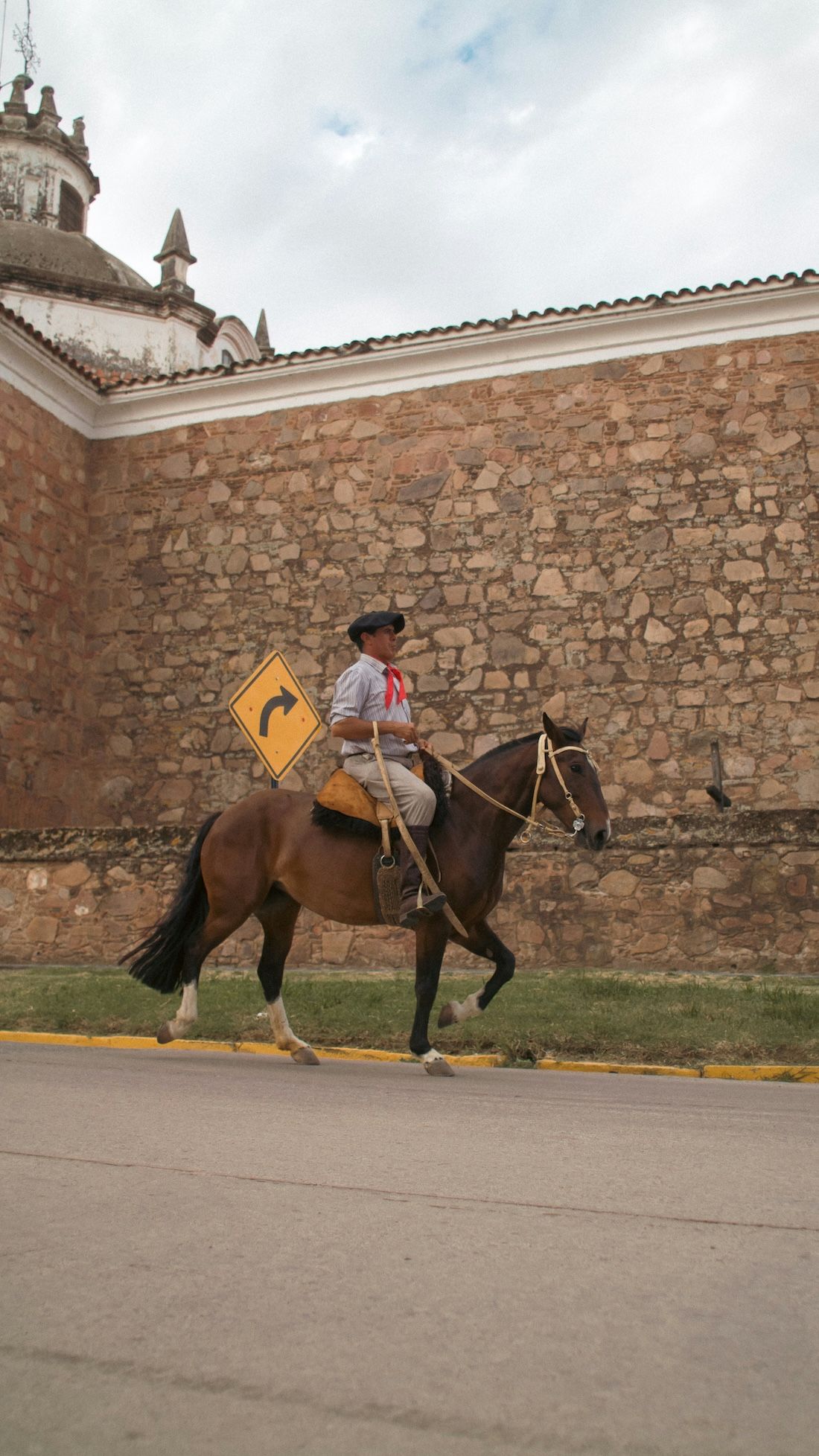
The story of Juego del Pato, (often referred to simply as Pato), began in the 17th century. Its name, literally meaning “game of the duck”, or “duck game” in Spanish, refers to the sport’s original form. Early gauchos, Argentina’s horsemen, would compete by taking a live duck from a basket and attempting to score by tossing it into a goal at the opposing team’s side. Matches could stretch across the countryside, often becoming physical as riders fought for possession.
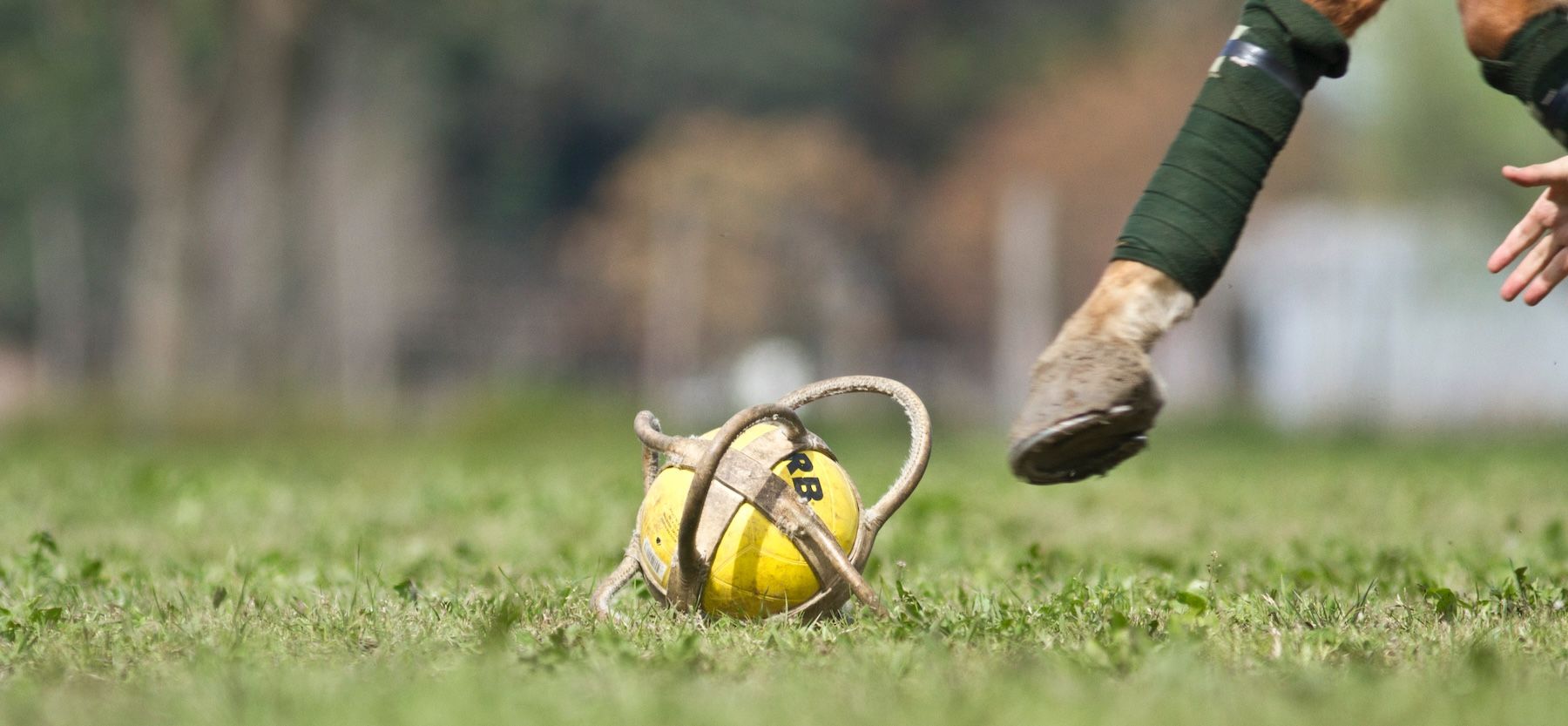
By the late 19th and early 20th centuries, concerns over animal welfare led to the replacement of the live duck with a leather ball fitted with handles. This change transformed Pato into the regulated sport recognised today. Despite these changes, the sport has retained its speed, strategy, and emphasis on the relationship between rider and horse, which are all central aspects of Pato.
Pato’s origins also reflect Argentinian cultural identity. The sport mirrors the ingenuity and impressive riding skills of the gauchos and has remained a game very much rooted in local communities.
Gameplay: Understanding Pato
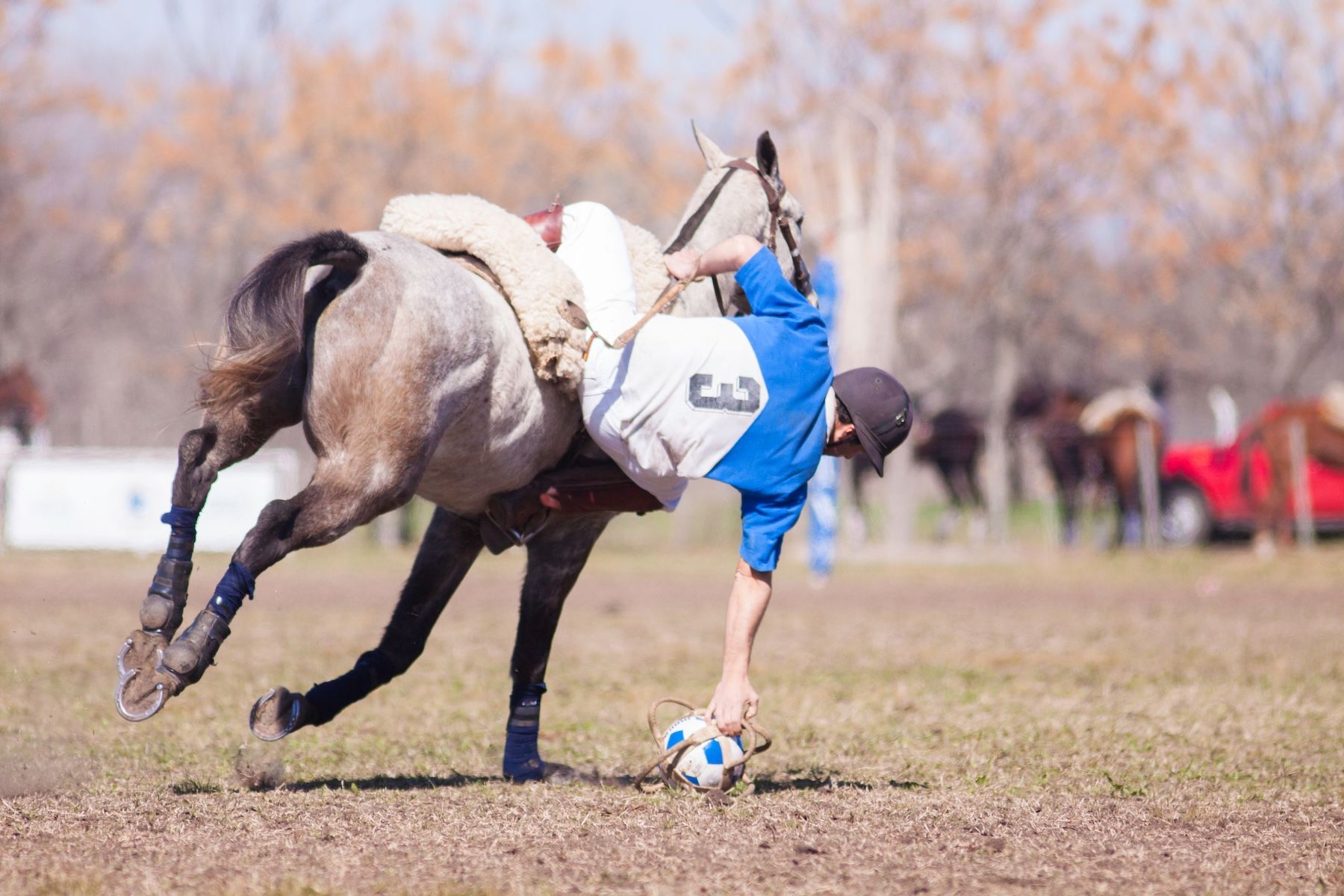
A Pato match features two teams of four players, playing on horseback across a field about 275 metres long and 180 metres wide, which is also the official size of a polo pitch. Players pass a six-handled leather ball and aim to score by throwing it through a vertical ring suspended two and a half metres above the ground. The game combines elements of polo, basketball, and rugby but follows rules that are unique to Pato.
Rules of Juego del Pato
The Pato game rules emphasise skill, speed, and safety. Matches are divided into six eight-minute periods. Contact is permitted but regulated to prevent serious injury, and fouls result in free throws or ball repositioning.
The “duck” (ball) must be picked up from the ground and thrown with the right hand. It can only be picked up with the left hand if the duck is “pecking” (not rolling) and no other player is attempting to pick it up.
The player in possession of the Pato must ride with their right arm fully outstretched, offering the ball's handles to rival players. Not extending the arm is an offense called a "negada" (refusal). Players must ride side by side when attempting to grab the ball from an opponent, a move known as the “cinchada.”
Points are scored by throwing the ball through the goal rings. The match is won by the team that scores the most goals, including any goals scored in extra time. A match cannot end in a draw, and must be decided in extra time. Successful play relies on timing, strategy, and strong horse-riding skills.
Horses and Equipment
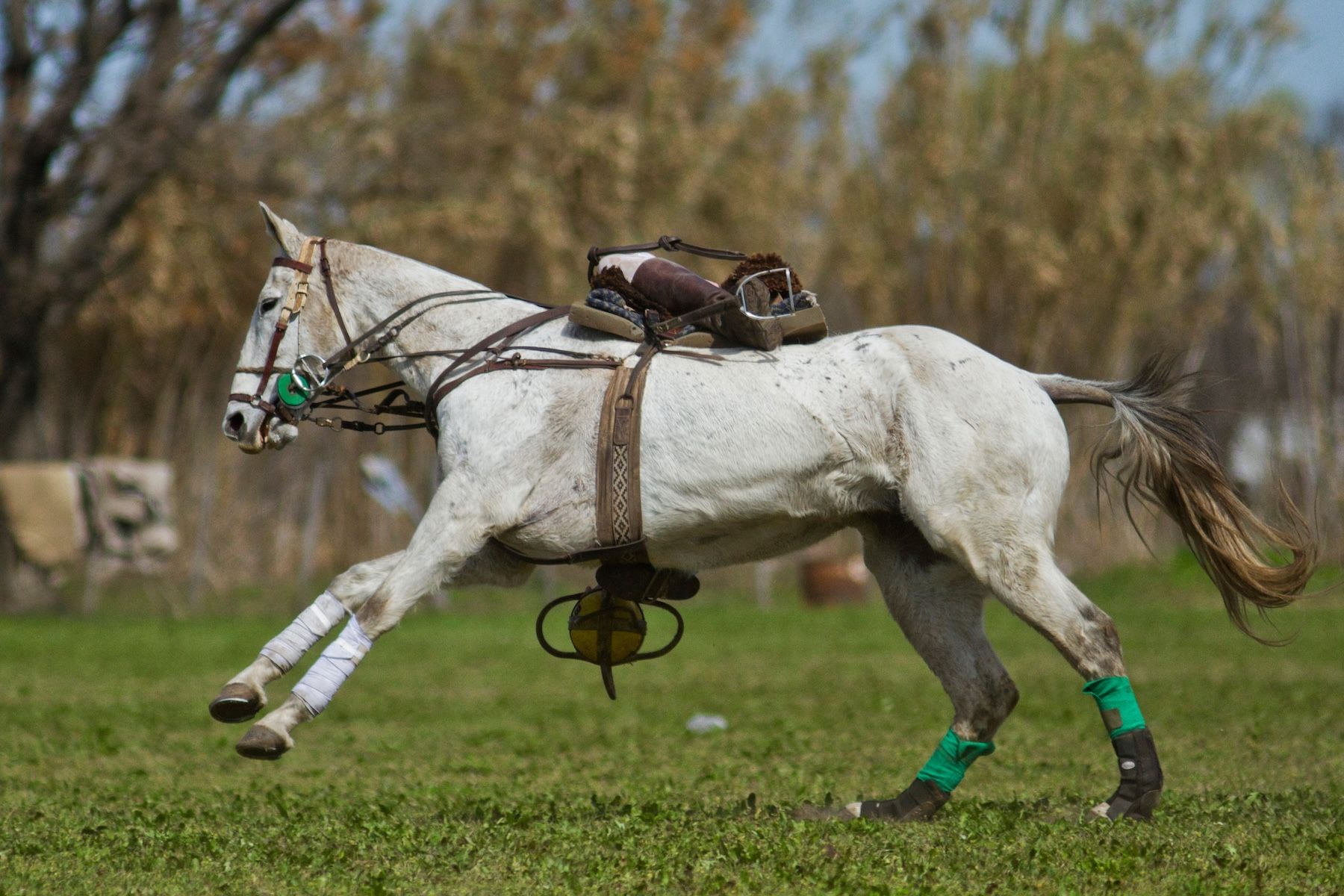
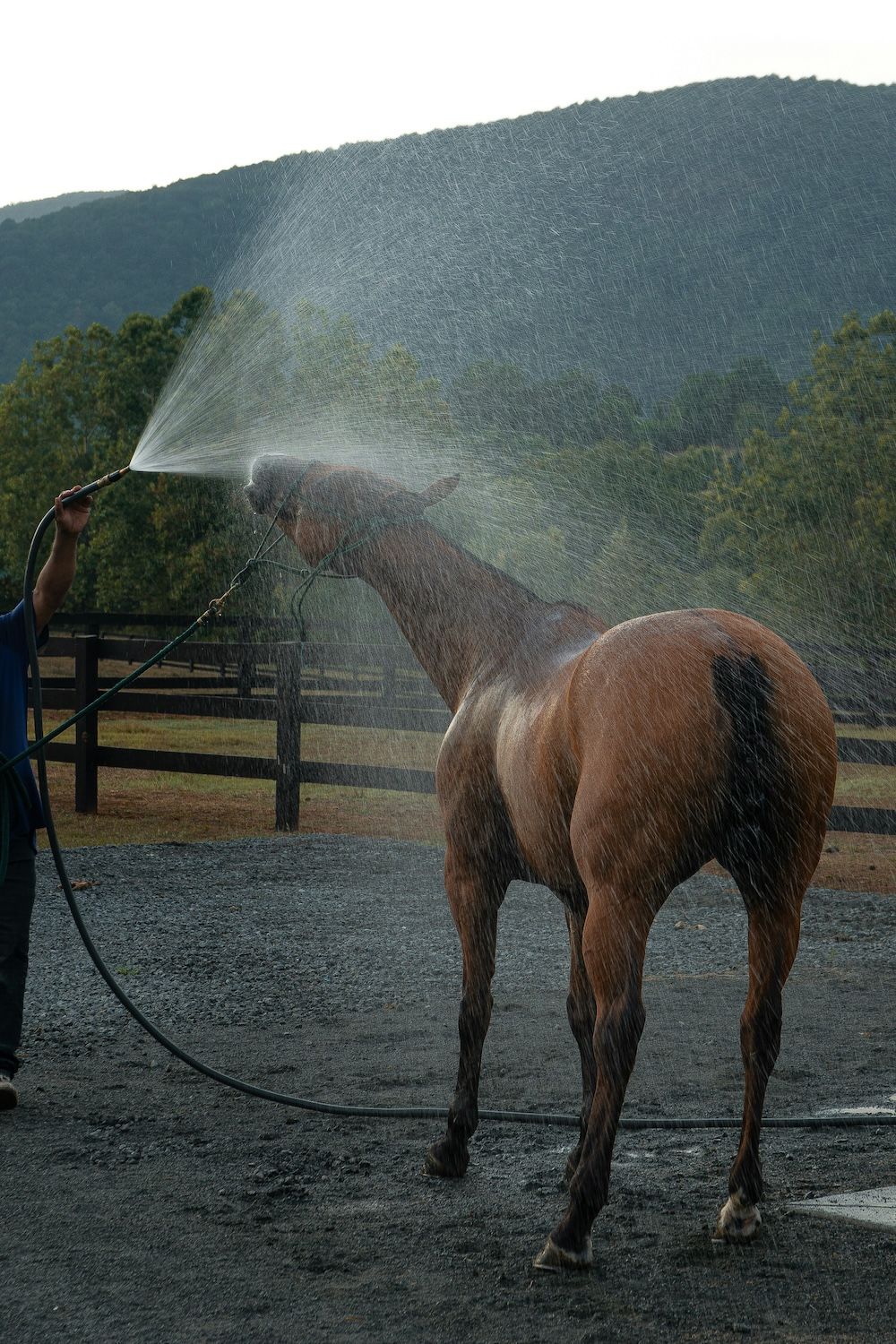
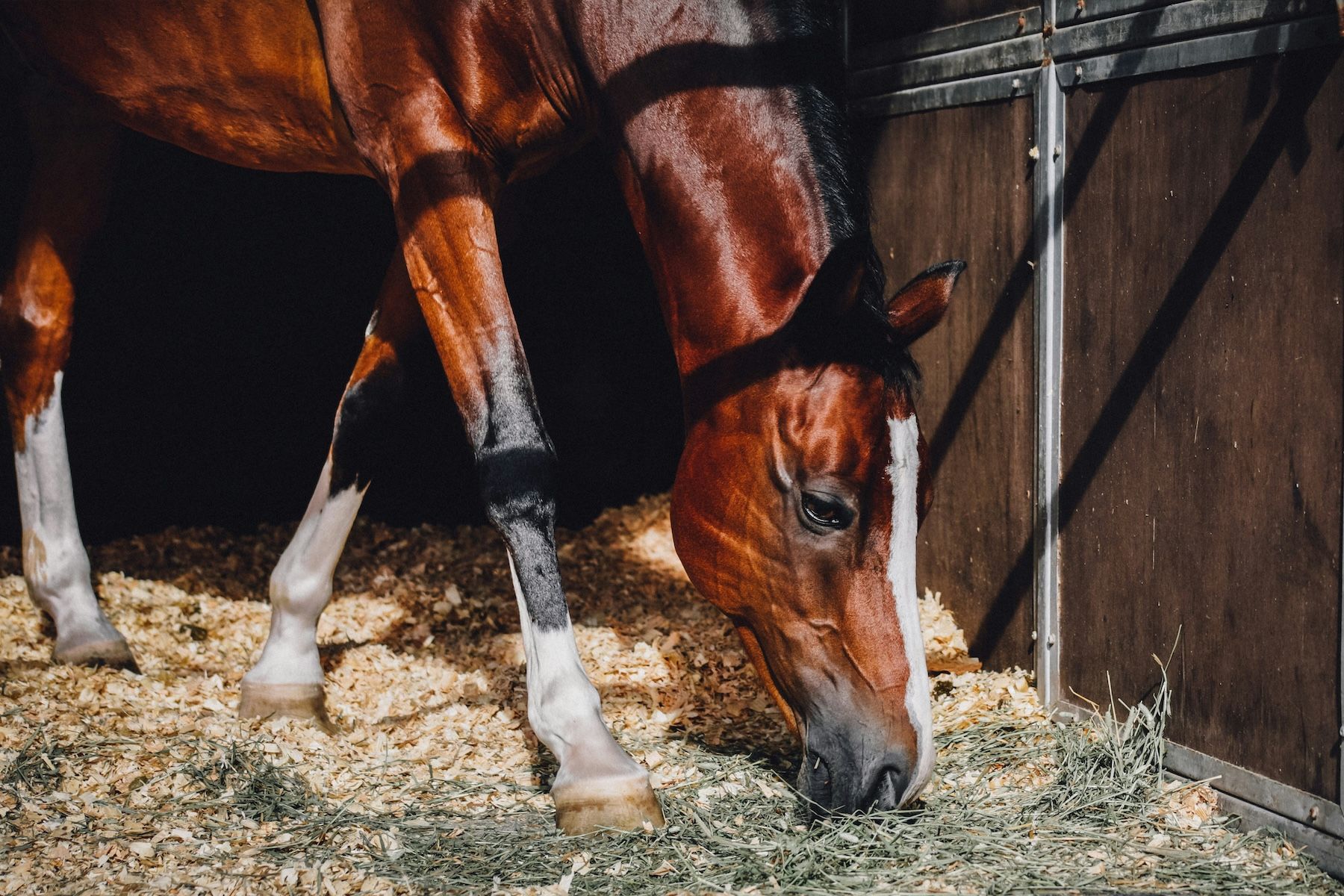
Pato horses are selected for their impressive agility, speed, and calmness under pressure. Riders use sturdy saddles and protective gear, and the six-handled ball is central to gameplay.
Modern equipment reflects both tradition and safety. Players must wear a sports helmet (without sharp edges on the sides), a shirt or T-shirt in the colours of their team, white riding breeches and riding boots. Only whips with a maximum length of 75 cm and round spurs without points or stars are permitted.
The sport now places strong emphasis on horse welfare, a significant change from its early, more dangerous forms.
Why Pato is Argentina’s National Sport?
Although polo is internationally associated with Argentina, Pato’s national sport status was officially recognised in 1953. Unlike polo, which has aristocratic and international associations, Pato is deeply rooted in Argentinian history and local culture. It symbolises the skill, courage, and horsemanship of the gauchos.
Recognising Pato as the national sport was a way to preserve cultural heritage and highlight a game that represents the open plains and equestrian traditions of Argentina.
Modern Pato: Tournaments and Professionalism
Today, modern Pato is organised in leagues and tournaments, drawing both amateur and professional riders. While historically played across the Pampas, modern Pato is now primarily centred in Buenos Aires province and Argentina’s central regions.
Governed by the Federación Argentina de Pato y Horseball (FAP), the country’s top Pato competition, the Abierto Argentino de Pato, brings together teams nationwide and often include festivities celebrating equestrian culture. The final is held in December at the Campo Argentino de Polo in Palermo. International exhibitions and clinics have also introduced the sport to new audiences.
Professional players focus on horsemanship and tactical skill. Unlike the more informal matches played throughout history, today’s Pato tournaments are highly regulated, with referees, defined rules, and standardised fields and equipment. The core dynamics of rider, horse, and ball remain central to the game.
Polo and Pato: Main Differences
Many people ask “what’s the difference between Polo and Pato?” While both sports involve teams on horseback aiming to score goals, they differ in significant ways:
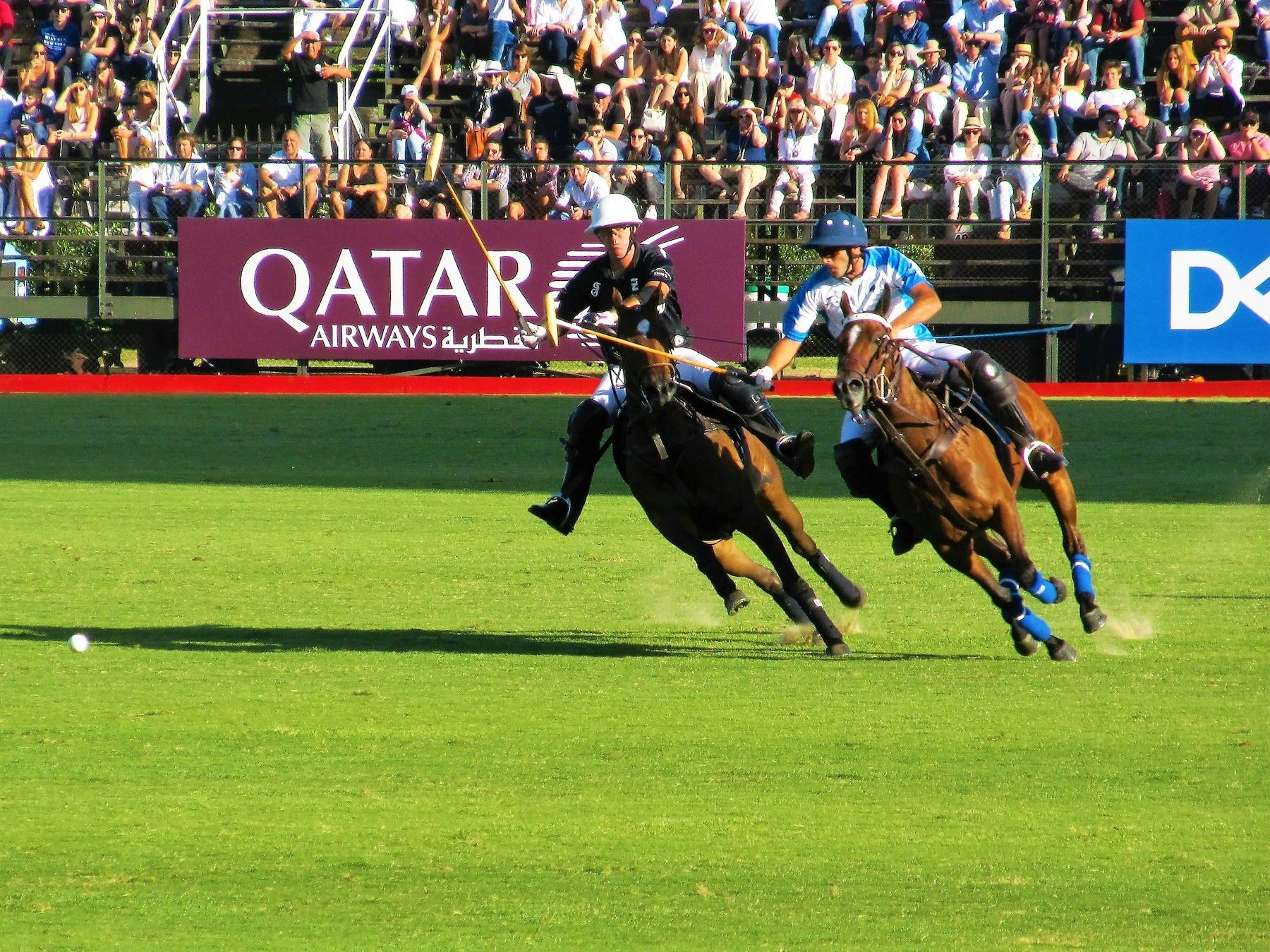
Equipment: Polo uses a small, solid ball and long-handled mallets; Pato uses a six-handled leather ball which is passed from player to player directly, without the use of mallets.
Gameplay: Polo focuses on hitting the ball along the ground; Pato involves carrying and throwing the ball through vertical rings.
Cultural context: Polo has elite, international associations; Pato is Argentinian in origin and linked to the gaucho tradition and rural communities.
Rules and contact: Pato allows the ‘cinchada’ rule for stealing the ball, whereas polo contact is more limited.
Match length: Pato matches consist of six eight-minute periods, with short breaks between each period. Matches are fast-paced and require high levels of stamina and coordination. Polo matches, by comparison, vary depending on the tournament format and may be divided into four to eight “chukkas”, each lasting seven minutes, making them longer overall but with less continuous intensity.
Qatari Polo Culture
Polo is well-established in Qatar, with clubs and international tournaments taking place throughout the year. While Pato is not widely played outside Argentina, its similarities with polo create a strong cultural connection as Qatar’s interest in equestrianism and horse racing mirrors Argentina’s own passionate horse culture.
Events such as the upcoming Polo Al Marsa will highlight these shared equestrian traditions. Held in Doha as part of the Qatar, Argentina and Chile 2025 Year of Culture, Qatar Polo Club (QPC) will host a two-day cultural and sporting event with international polo teams from all three nations.
Pato as a Symbol of Argentina’s Culture
From its gaucho origins to today’s regulated tournaments, Juego del Pato reflects Argentina’s cultural identity and enduring equestrian heritage. Understanding its history, rules and the ways it differs from Polo offers insight into a national sport that remains central to Argentinian tradition.
Although Pato is played almost exclusively in Argentina, its values of skill, dedication and close partnership with horses resonate strongly with equestrian cultures around the world, including Qatar’s.
To explore these shared traditions and discover more cultural connections, browse the upcoming Years of Culture events in Qatar and beyond.
More Articles
This website uses cookies for a better experience.