
Exploring Mexican Food Culture
2026/03/14
As part of the Qatar Canada and Mexico 2026 Year of Culture, we are exploring one of Mexico’s most enduring, diverse and expressive traditions: its food culture.

Years of Culture
false
2026/03/14
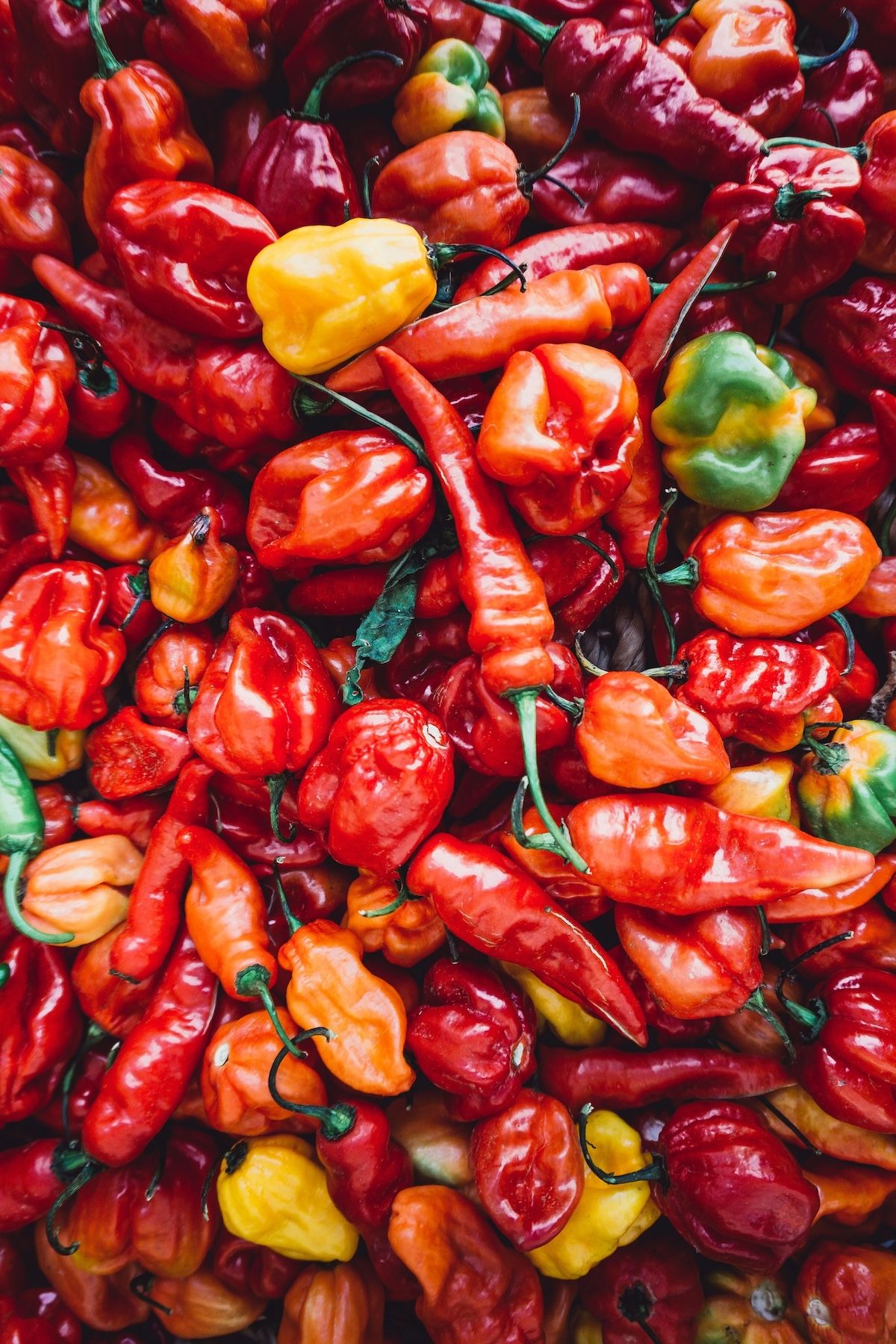
Mexican food culture is a reflection of centuries of history, geography, and social traditions. From the bustling markets of Oaxaca to the street-side taco stalls of Mexico City, food is at the heart of the country's past and present, shaped by indigenous techniques, centuries of exchange, strong regional identities, and ongoing culinary innovation.
At its core, Mexican gastronomy is defined by the relationship between essential ingredients, traditional knowledge, and community. Staples such as maize, beans, and chilli peppers are the foundation of daily cooking and hold deep cultural and historical significance.
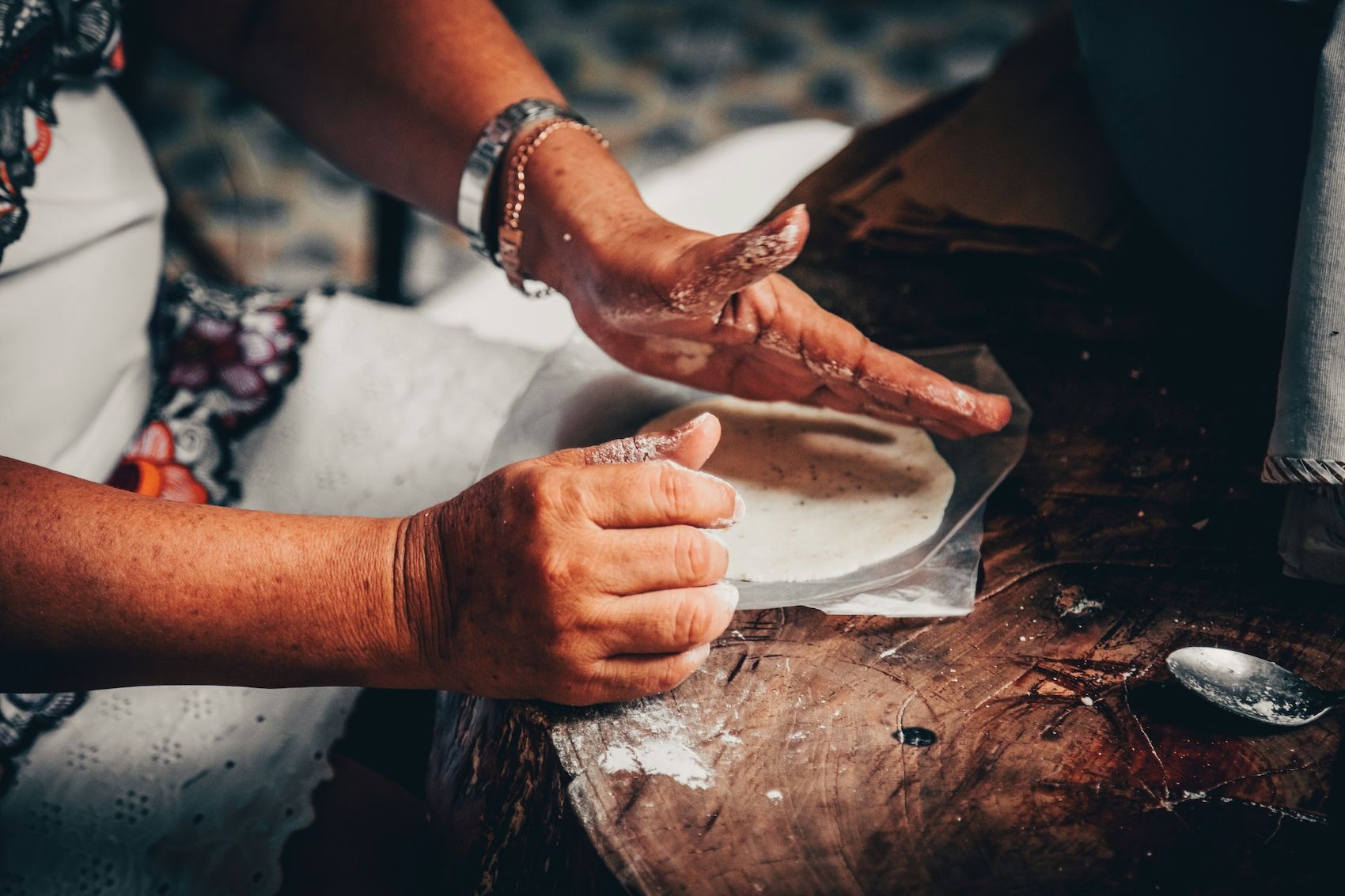
Methods inherited over centuries, such as nixtamalización (nixtamalization) and underground pit roasting, continue to shape the textures, aromas, and tastes that define Mexican food. Combined with the country’s regional diversity, these practices make Mexico's culinary traditions a protected living heritage recognised by UNESCO as an Intangible Cultural Heritage of Humanity. This recognition specifically highlighted traditional Mexican cuisine as a communal, ancestral and living tradition.
Today, Mexican cuisine resonates globally, celebrated for its bold flavours, depth of knowledge, and techniques handed down through generations.
Seasonal markets, street food traditions, and family kitchens all contribute to this vibrant culinary landscape, offering both locals and visitors immersive experiences of Mexican culture through food.
To understand modern Mexican cuisine, any exploration must begin in pre-Columbian times, when Indigenous civilisations laid the foundations of one of the world’s most sophisticated food systems. Societies such as the Aztecs and the Mayans developed advanced agricultural techniques that allowed them to cultivate diverse crops across varied terrains.
In the Valley of Mexico, chinampa farming (raised agricultural beds built on shallow waterway systems), enabled year-round cultivation and abundant harvests. In the Yucatán Peninsula and southern regions, milpa systems rotated crops of maize, beans, and squash, creating a nutritionally balanced and sustainable agricultural model.
Maize was particularly central in cooking at that time. It was not only a staple ingredient, but also deeply embedded in Indigenous cosmology, the belief system that shaped their understanding of the universe. In Mayan sacred texts such as the Popol Vuh, humans are described as being created from maize dough, highlighting its symbolic role and spiritual significance. Similarly, colonial-era chronicles of the Aztecs, including those recorded by Bernardino de Sahagún, describe ceremonies dedicated to maize deities like Centeotl, showing that the crop was central to ritual and religious practice.
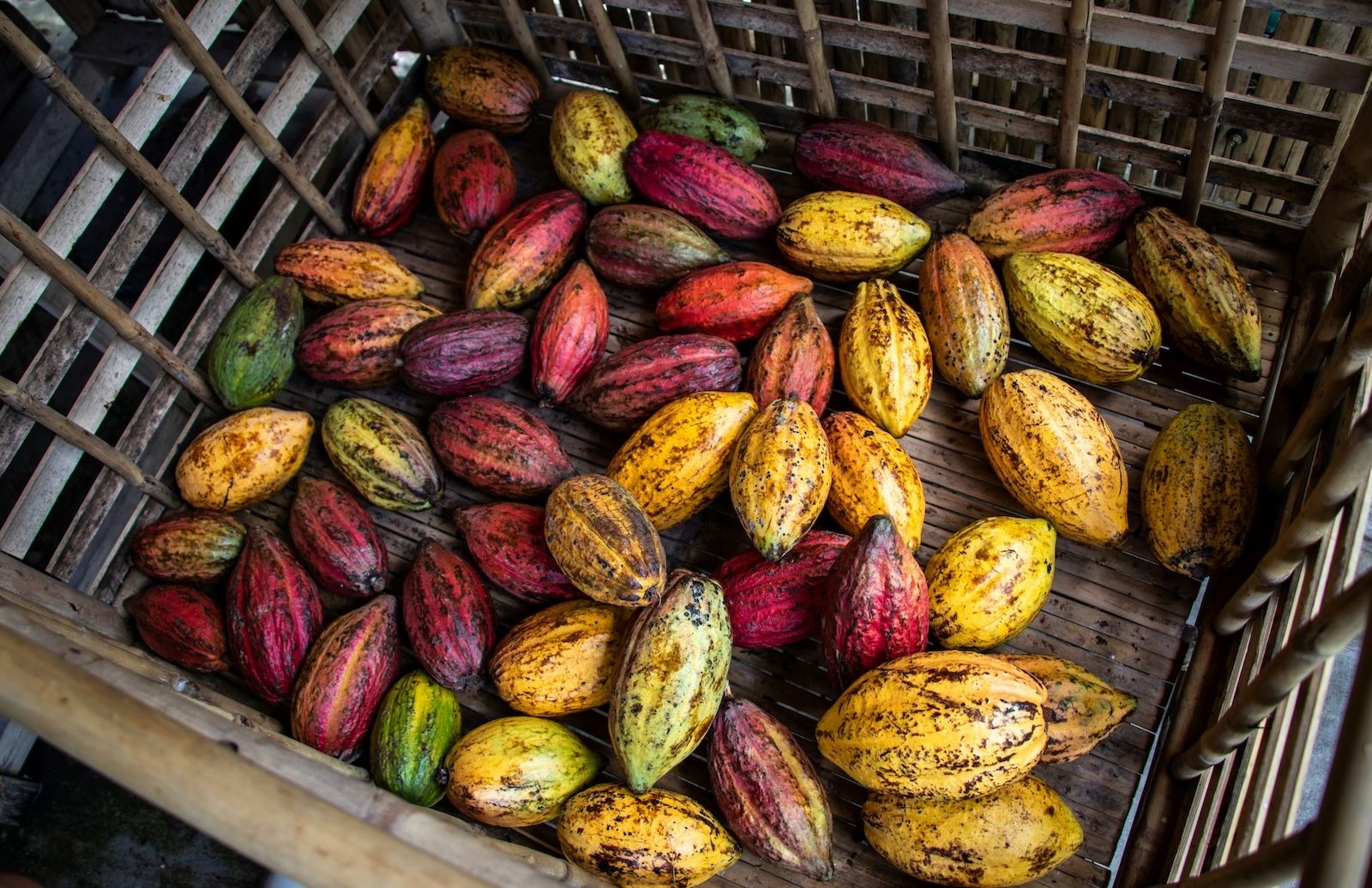
Considered sacred and foundational to life itself, it was transformed into tortillas, tamales, atole, and other staples through nixtamalization, a process that enhanced both flavour and nutritional value. Beans and squash complemented this core ingredient, while chillies provided heat and medicinal qualities. Tomatoes, tomatillos, avocado, amaranth, cacao, vanilla, and native herbs such as epazote also enriched the Mesoamerican diet with remarkable variety.
Food was deeply embedded in ritual and ceremony and Cacao was drunk by important figures and used in religious offerings. Tamales were prepared for festivals and community gatherings. Wild game such as turkey and deer, freshwater fish, insects, and edible plants expanded regional diets. Grinding stones, clay comales, and steam-cooking methods were already highly developed, demonstrating refined culinary knowledge many hundreds of years ago.
The arrival of Spanish settlers in the 16th century marked a significant turning point in Mexico’s culinary history.Colonisation brought new ingredients from Europe and other parts of the world, including wheat, rice, barley, sugarcane, citrus fruits, garlic, and onions, as well as livestock such as cattle, sheep, and chickens. Dairy products like cheese and cream also gradually became part of local cooking.
Rather than replacing Indigenous food traditions, these ingredients were incorporated into existing culinary practices. Cooks adapted them according to regional climates, available produce, and established methods of preparation. Meat was incorporated into tamales; wheat flour became the base for breads and, in northern regions, flour tortillas; rice was adapted into dishes such as arroz rojo. The introduction of Old World spices like cinnamon and cloves subtly altered desserts and savoury stews. Convent kitchens in colonial cities such as Puebla became important sites of culinary innovation, where Indigenous and European ingredients blended into complex dishes like mole poblano.
Over time, this blending of Indigenous and European elements gave rise to dishes that are now considered deeply traditional, reflecting centuries of culinary exchange and creativity.
Over the centuries, additional global influences shaped Mexican cuisine. Trade with Asia via the Manila Galleons introduced ingredients such as sesame seeds and certain spices. French culinary trends left their mark during the 19th century, influencing baking techniques and pastry traditions. Lebanese migration in the late 19th and early 20th centuries contributed spit-roasting techniques that later inspired tacos al pastor.
The 20th and 21st centuries brought industrialisation, urbanisation, and globalisation. Street food culture flourished in expanding cities, while regional cuisines gained national and international recognition.
Today Mexican cuisine represents a living timeline from pre-hispanic agricultural practices to colonial exchange and regional adaptation, while remaining deeply rooted in cultural memory.
Food is central to daily life in Mexico and sharing meals remains an important way of maintaining communal ties. Family mealtimes, community feasts, and festival celebrations highlight its social and cultural importance.
From Day of the Dead altars adorned with pan de muerto, to street vendors serving freshly prepared tacos, these typical meals communicate a sense of history and identity.
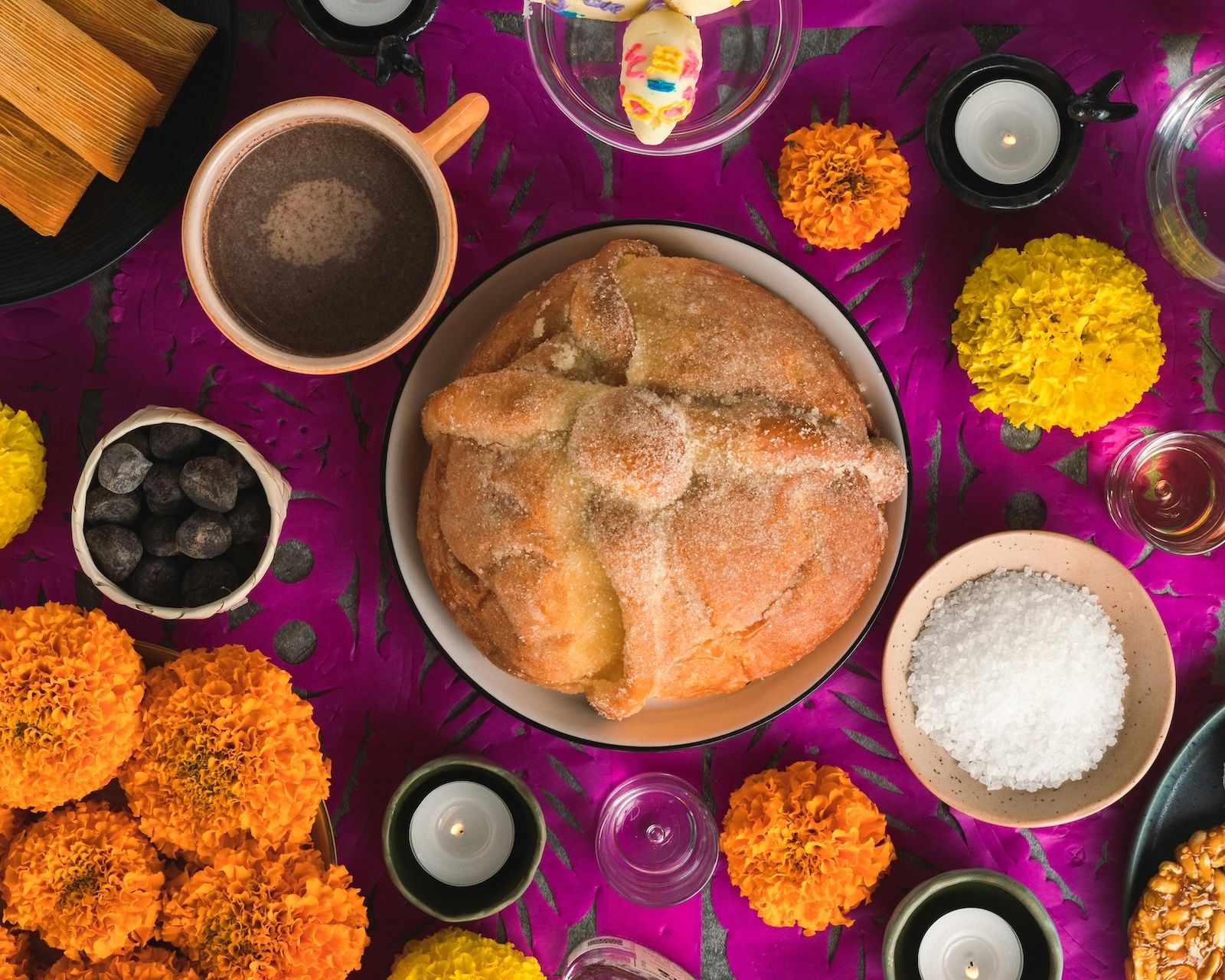
UNESCO’s recognition of Mexican cuisine as an Intangible Cultural Heritage of Humanity in 2010 underscores this cultural significance. These food practices connect people and preserve important knowledge. Historically, women have been custodians of these practices, passing down recipes and techniques through generations.
Mexican cuisine owes its complexity to a remarkable variety of native ingredients, from tomatillos and nopal (cactus paddles), to avocados and cacao.
Corn and beans are at the heart of Mexican cuisine. Maize is transformed through nixtamalization, an ancient Mesoamerican process that improves its nutritional value and flavour, in which the maize kernels are soaked and cooked in an alkaline solution, usually lime water.
Black, pinto, or red beans provide essential protein and are often included to create nutritionally balanced meals.
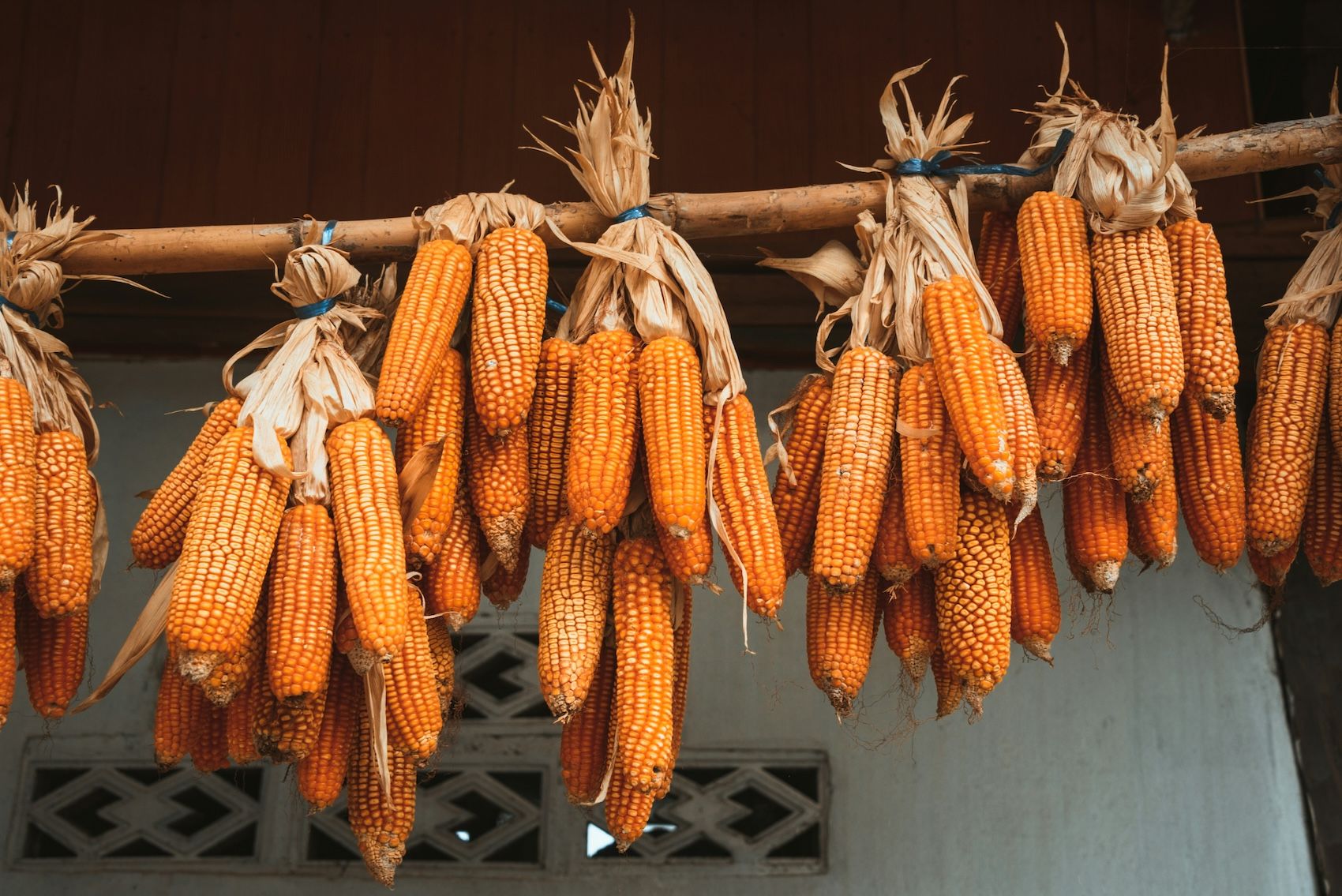
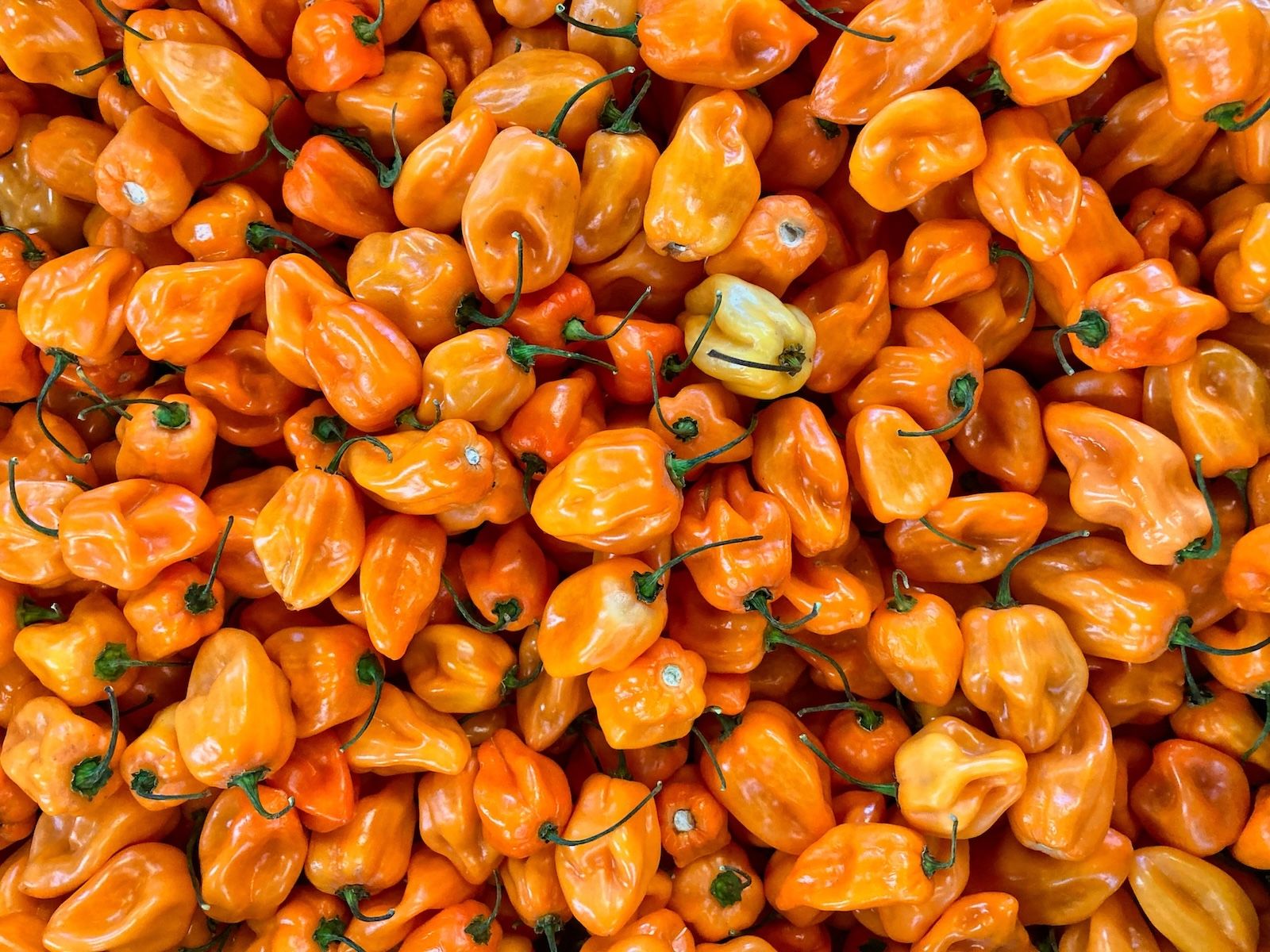
Chilli peppers are also considered emblematic of Mexican cuisine. Varieties range from the smoky ancho and pasilla peppers to the fiery habanero, each contributing distinctive flavours and different levels of heat to every dish.
Herbs and spices such as coriander, cumin, epazote, and oregano balance this intensity with freshness, exemplifying the principle of sazón, an all-purpose seasoning blend that defines many dishes in Mexico.
The techniques employed in Mexican cuisine are as rich and diverse as the dishes themselves. Beyond common methods like frying or braising, traditional practices such as baking in earthen ovens, underground pit cooking, and hand-grinding sauces transform basic ingredients into delicious meals.
By boiling maize kernels with water and lime (calcium hydroxide), nixtamalization enhances flavour, improves digestibility and unlocks essential nutrients such as niacin. The resulting nixtamal is ground into masa, forming the basis of tortillas, sopes, tlacoyos, and tamales.
Mexican gastronomy distinguishes itself through specialised methods that have been preserved for centuries. One of the most emblematic traditional techniques is barbacoa, a method of underground pit cooking that predates Spanish colonisation. Meat, (often lamb, goat, or beef), is seasoned, wrapped in maguey or banana leaves, and placed in a pit lined with heated stones.
Covered and slow-roasted for hours, this method produces tender meat with an earthy, smoky flavour that cannot be replicated by modern kitchen appliances.
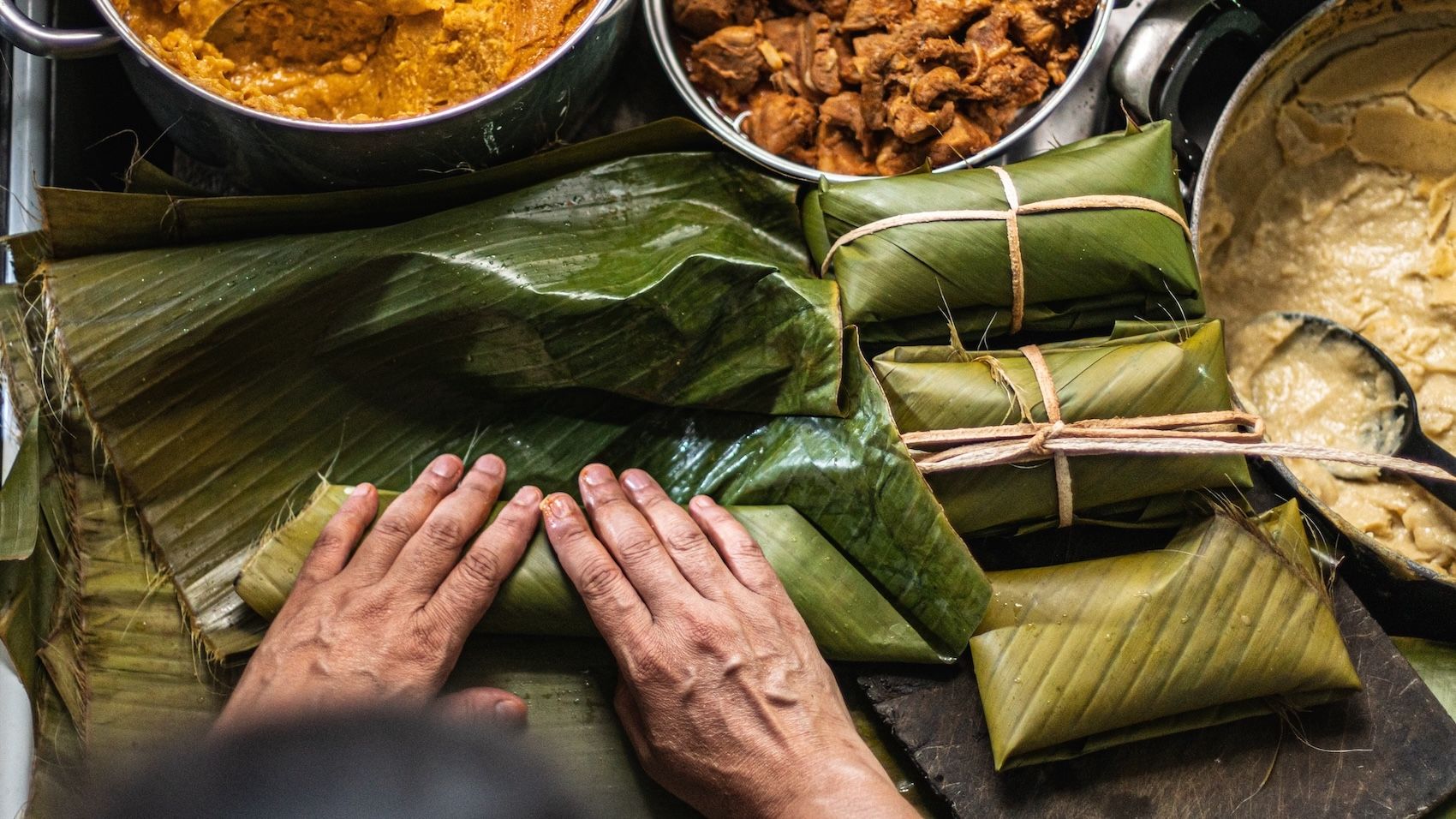
Steaming is another foundational technique in Mexican cuisine. Tamales, made from masa and filled with meats, vegetables, or sweet ingredients, are wrapped in corn husks or banana leaves and steamed gently to preserve moisture and concentrate flavour. The wrapping itself imparts subtle aromas, varying by region depending on whether corn or banana leaves are used.
Many Mexican dishes start with the careful grinding of spices and ingredients using a molcajete (stone mortar) and tejolote (flat grinding stone), which allow cooks to crush chillies, tomatoes, seeds, and spices by hand. Unlike electric blenders, these tools create a textured consistency that releases essential oils gradually, producing more layered and complex salsas.
Open-fire cooking on a comal (a flat clay or metal griddle) is equally essential in Mexican cuisine. Tortillas puff and char lightly, vegetables blister, and chillies toast to intensify their flavour. Dry-toasting spices before grinding deepens their aroma, a technique central to preparing mole sauces.
Preservation methods and fermentation techniques also play an important role in Mexican kitchens. Pickling jalapeños and carrots in escabeche, drying chillies in the sun, and candying fruits in syrup allow seasonal produce to be enjoyed year-round.
Together, these techniques reveal a cuisine built on patience, skill, and sensory awareness, widely considered to be a living craft that reflects centuries of accumulated knowledge.
Mexican cuisine ranges from everyday staples to elaborate festival dishes that take hours and sometimes even days to prepare. Mexico’s regions produce highly distinctive cuisines influenced by geography, climate, and cultural heritage.
The Yucatán Peninsula offers a completely different flavour profile from other parts of the country, shaped by Mayan heritage and more tropical ingredients.
Sour oranges and achiote paste feature in dishes such as cochinita pibil, a pork recipe that is carefully marinated, wrapped in banana leaves, and slow-roasted underground, delivering vibrant, tangy flavours.
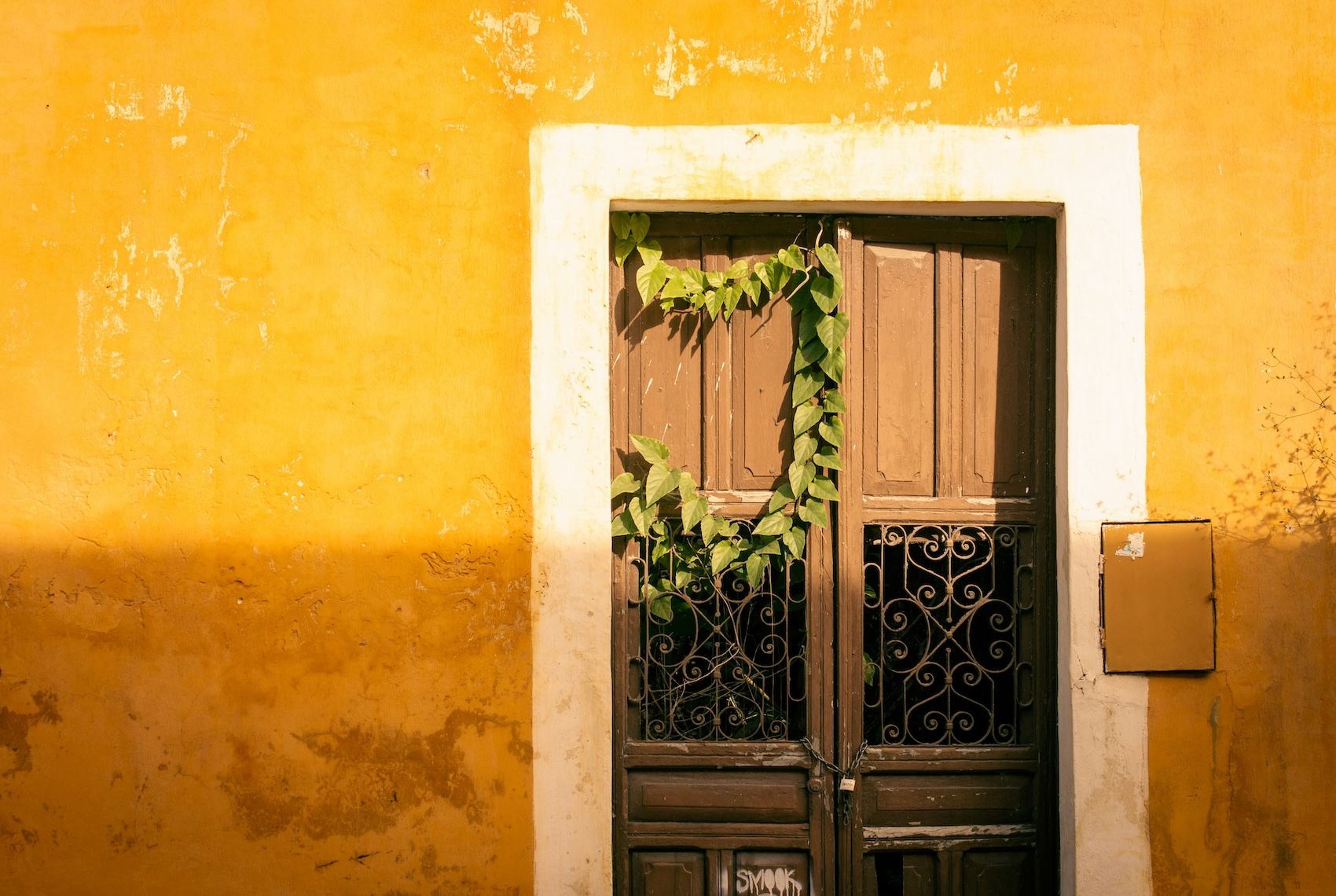
Other traditional dishes from the area include panuchos and salbutes, tortillas stuffed or topped with beans, meats, and pickled vegetables, while habanero chillies are often incorporated into salsas to provide heat.
Cochinita pibil and mucbipollo (a large baked tamale) are traditionally prepared for Hanal Pixán, the Mayan Day of the Dead, underscoring the enduring spiritual and ceremonial importance of food in the region.
Oaxacan cuisine is celebrated for its seven classic moles, each with a unique combination of chilies, spices, and chocolate. The region also produces tlayudas, large, crispy tortillas topped with beans, cheese, and meats. Insects, such as grasshoppers (chapulines), are local delicacies and a traditional source of protein, reflecting ancient dietary practices that continue to this day.
Many Oaxacan dishes are closely tied to ritual and celebration, with complex moles traditionally prepared for weddings, religious festivals, and Día de los Muertos, when food is shared as an offering to welcome returning spirits.
The central highlands, including Puebla, are celebrated for their chiles en nogada (stuffed poblano peppers in a rich walnut sauce) and cemitas (sesame-seed sandwiches).
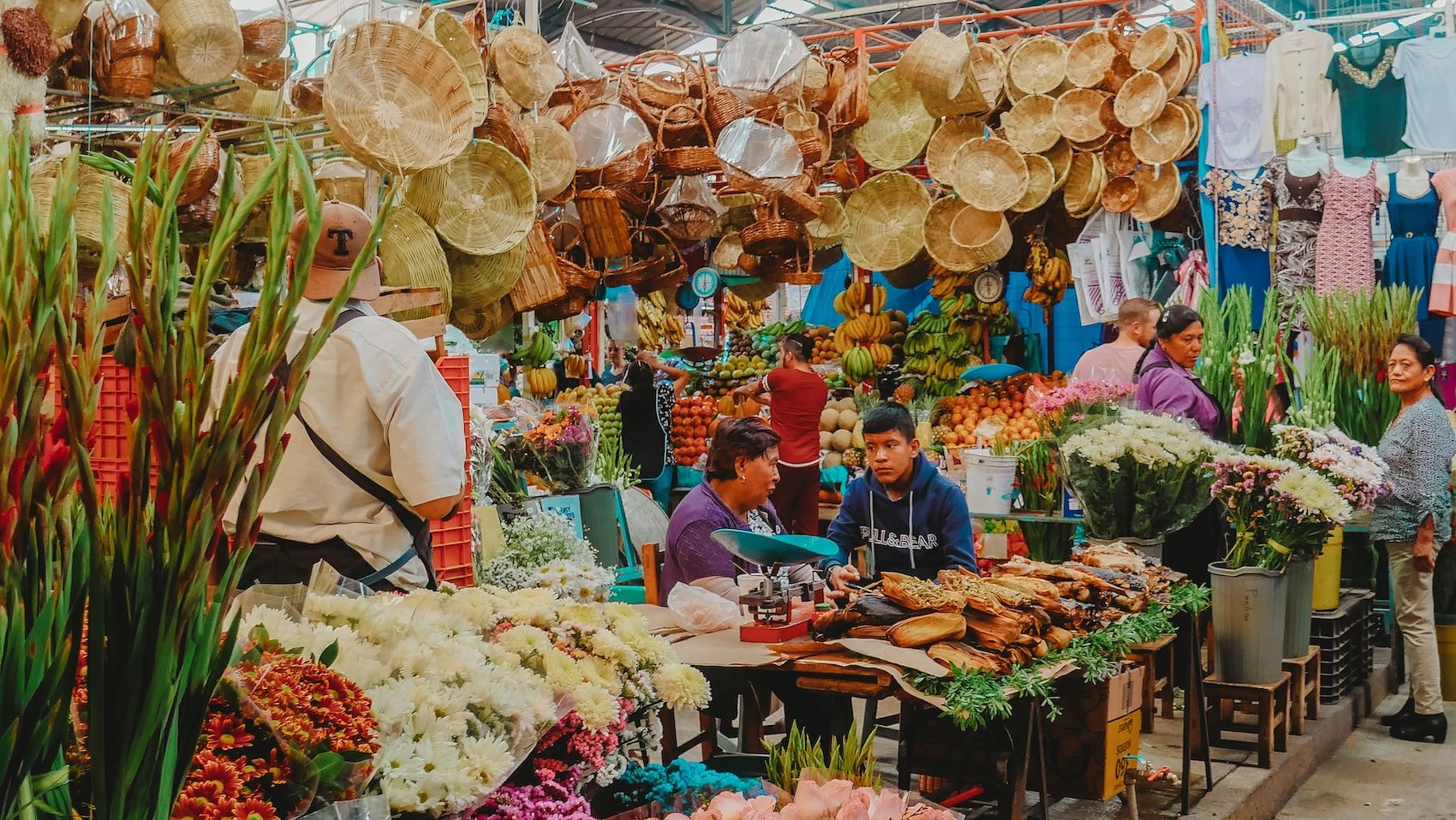
As with many of Mexico’s regions, local dishes are often linked to specific festivals and historical commemorations. For example, chiles en nogada is traditionally served in early September to celebrate Mexican Independence, with its red, white, and green ingredients symbolising the national flag.
Southeast Mexico features Mayan-inspired recipes such as tamales wrapped in banana leaves and soups enriched with local herbs. This style of cuisine emphasises earthy notes, native spices, and local vegetables and greens.
Elements like hoja santa, epazote, and various quelites (a variety of edible wild greens) are used in many dishes, reflecting the broader tradition of foraging throughout rural Mexico.
Northern Mexico is known for grilled meats, barbacoa, and flour tortillas, highlighting the region’s arid climate and cattle-rearing traditions. Cities such as Monterrey host asados and carne asada, where communal grilling fosters social connection.
Veracruz, along the Gulf Coast, showcases seafood influenced by Afro-Caribbean and Spanish culinary traditions, including huachinango a la veracruzana (red snapper fish with tomato, olives, and capers) and arroz a la tumbada(seafood rice).
Together, these regional traditions contribute unique textures, flavours, and cooking methods, forming the vibrant and diverse mosaic of Mexican culinary identity.
Appreciating Mexican cuisine means understanding the complex preparation, rituals, and regional context, which reveal the layers of history and identity within each dish. Modern Mexican gastronomy also embraces creativity.
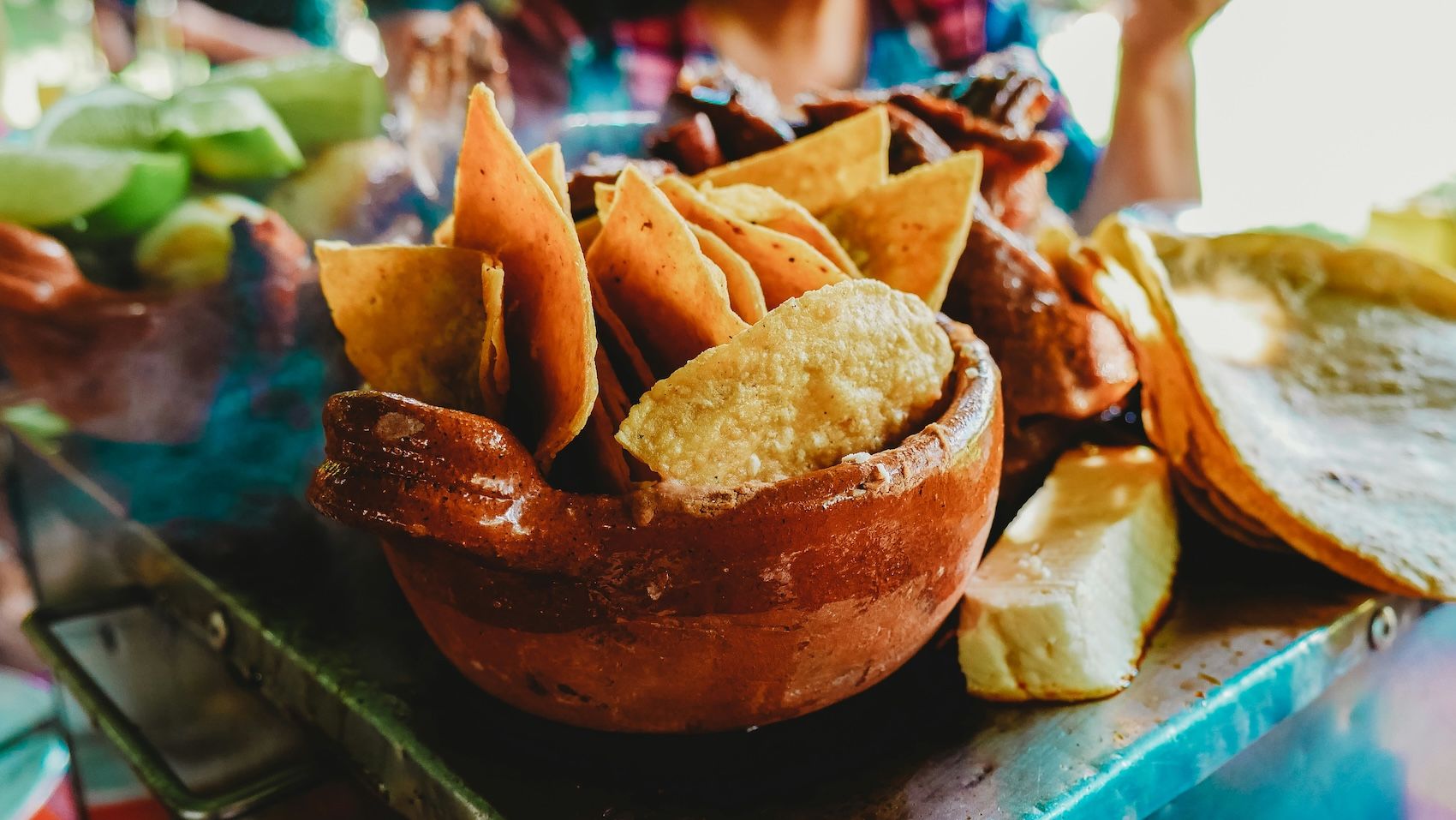
The country is home to 23 Michelin-starred restaurants, including internationally acclaimed establishments such as Pujol, Quintonil, and Taquería El Califa de León, highlighting its sophisticated modern culinary scene. Many of these restaurants are in Mexico City, but other regions like Oaxaca and Monterrey also showcase innovative, high-end dining that fuses local produce with contemporary techniques.
Chefs such as Enrique Olvera, Martha Ortiz, and Jorge Vallejo integrate Japanese, Mediterranean, and Middle Eastern techniques with locally sourced Mexican ingredients, resulting in dishes that surprise and delight.
Even classic recipes are reimagined: tamales filled with international flavours or mole sauces incorporating unexpected spices. From Michelin-starred restaurants in Mexico City to halal Mexican adaptations, the cuisine continually adapts, while honouring the nation's food heritage.
While often conflated with traditional Mexican cuisine, Tex-Mex is a separate culinary tradition born in the United States, particularly in Texas. It emerged from the blending of Northern Mexican cooking traditions with American ingredients and tastes during the 19th and early 20th centuries.
Tex-Mex cuisine typically includes dishes such as chilli con carne, hard-shell tacos, fajitas, and enchiladas topped with melted cheese. Ingredients like cumin are often used more heavily than in many regional Mexican dishes, creating a distinct flavour profile.
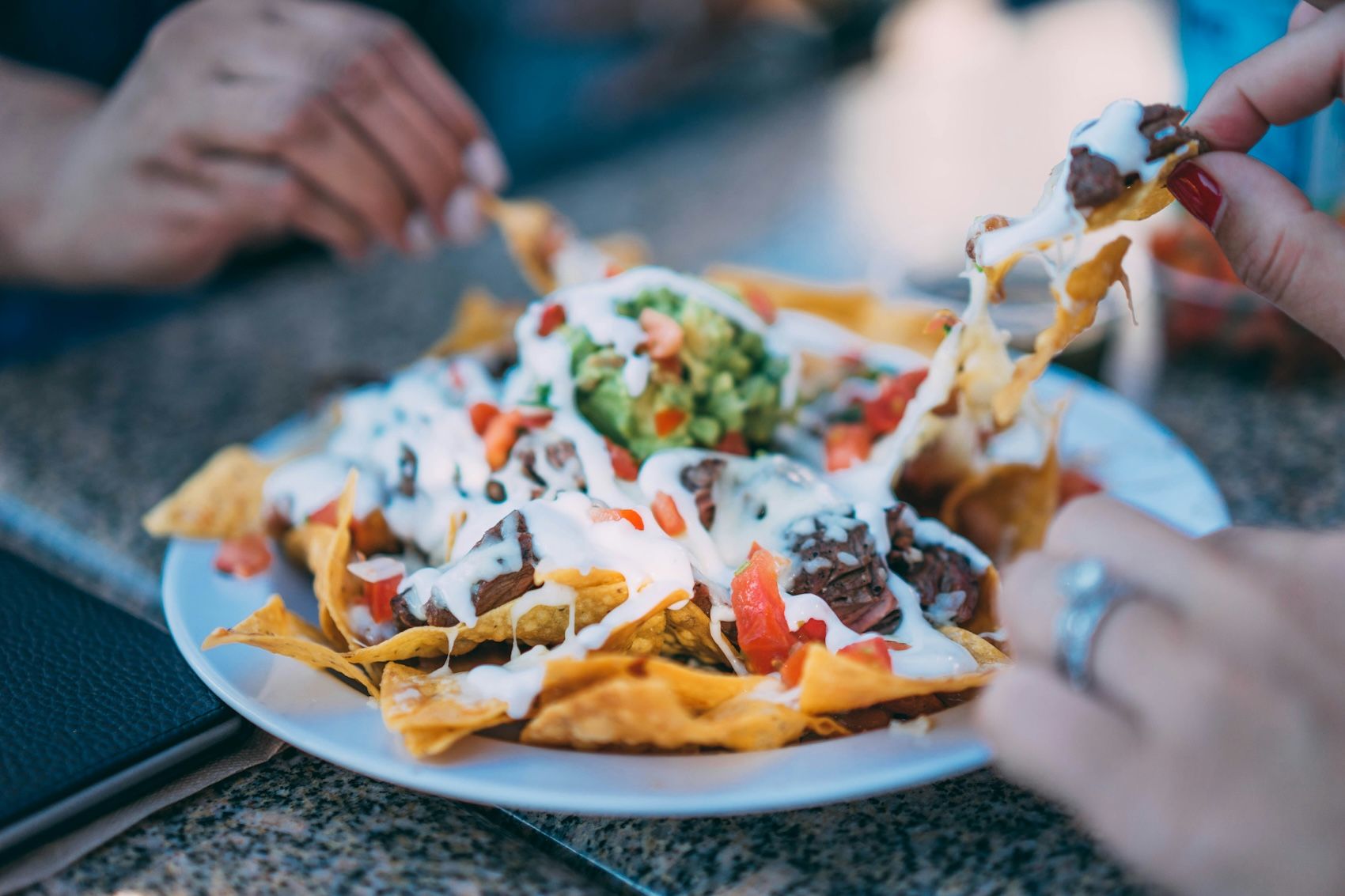
While Tex-Mex draws inspiration from Mexican culinary foundations, it adapts recipes to local preferences and available ingredients. Over time, it developed into its own recognisable style, spreading across the United States and internationally through restaurant chains and popular culture. While popular worldwide, Tex-Mex is distinct from Mexico’s own regional cuisines.
As part of the Qatar Canada and Mexico 2026 Year of Culture, Mexican culinary heritage was brought to life at the Qatar International Food Festival, where renowned chefs from Mexico showcased the depth and diversity of the nation’s gastronomy alongside international culinary talent.
Among them was Chef Lupita Vidal from Tabasco, known for her mastery of traditional Tabasqueño cooking, elevating regional ingredients while remaining rooted in ancestral techniques. Chef Eva Quintanilla led a live demonstration, showcasing contemporary interpretations of Mexican comfort food while highlighting regional ingredients and traditional techniques.
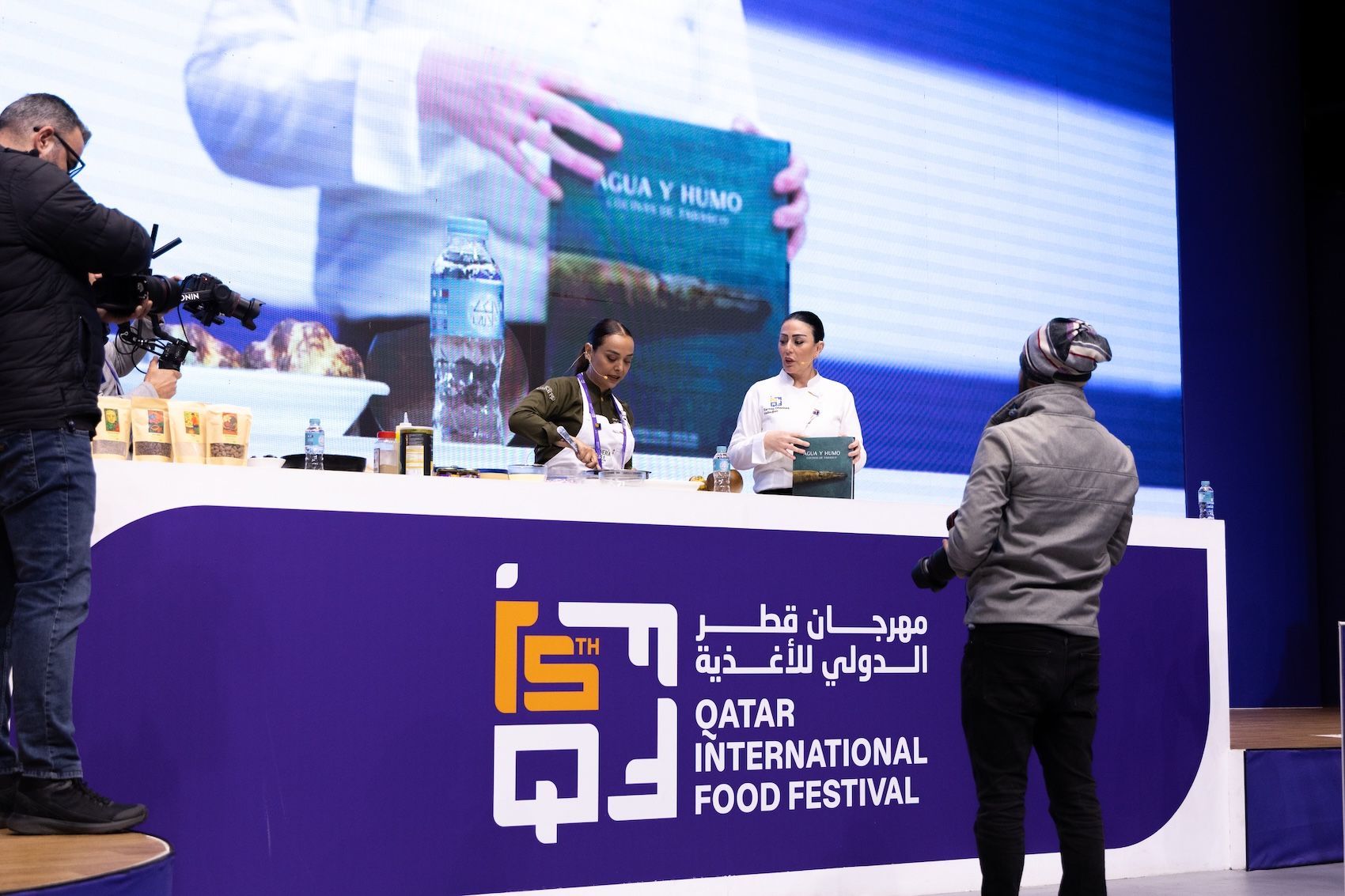
Also participating was Chef Esdras Ochoa, widely known as the “Taco King,” whose creative approach to tacos demonstrates how everyday street food can be transformed into a global gastronomic experience without taking away from its cultural authenticity.
Together, these chefs represented the richness of Mexico’s food heritage on an international stage, reinforcing the values of exchange and collaboration that define the Years of Culture initiative.
From traditional cooking techniques to regional delicacies and modern interpretations, Mexico’s culinary identity remains a powerful expression of history, community and innovation.
Find more upcoming events in Qatar as part of the Qatar Canada and Mexico 2026 Year of Culture.