Argentinian Street Art: A Guide to the Canvas of the City
2025/12/10
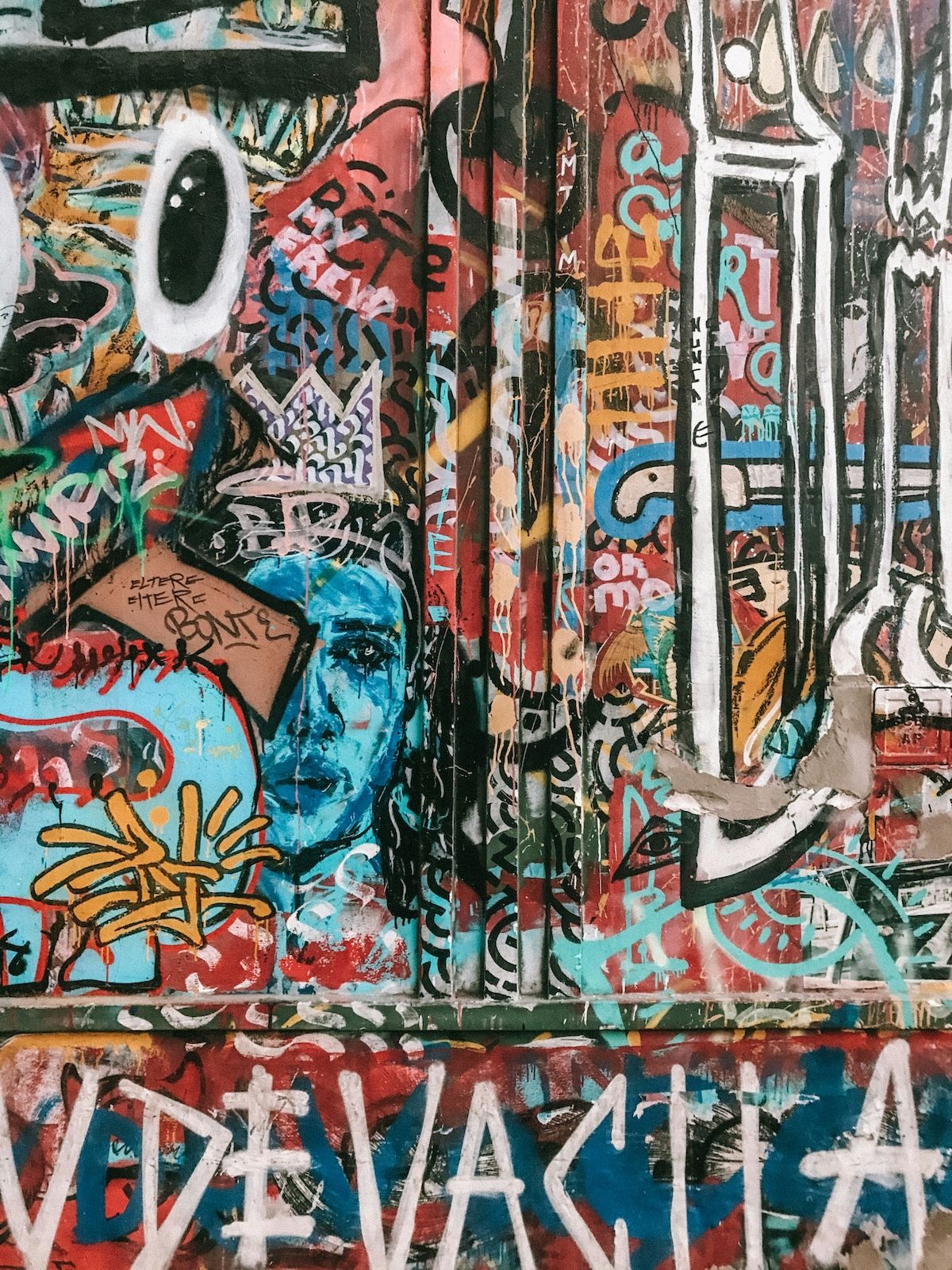
Across Buenos Aires, the walls of the city are like an open-air gallery where creativity and cultural identity converge. Argentina’s street art has developed into a vital form of urban expression which reflects the country’s social history as much as its artistic evolution.
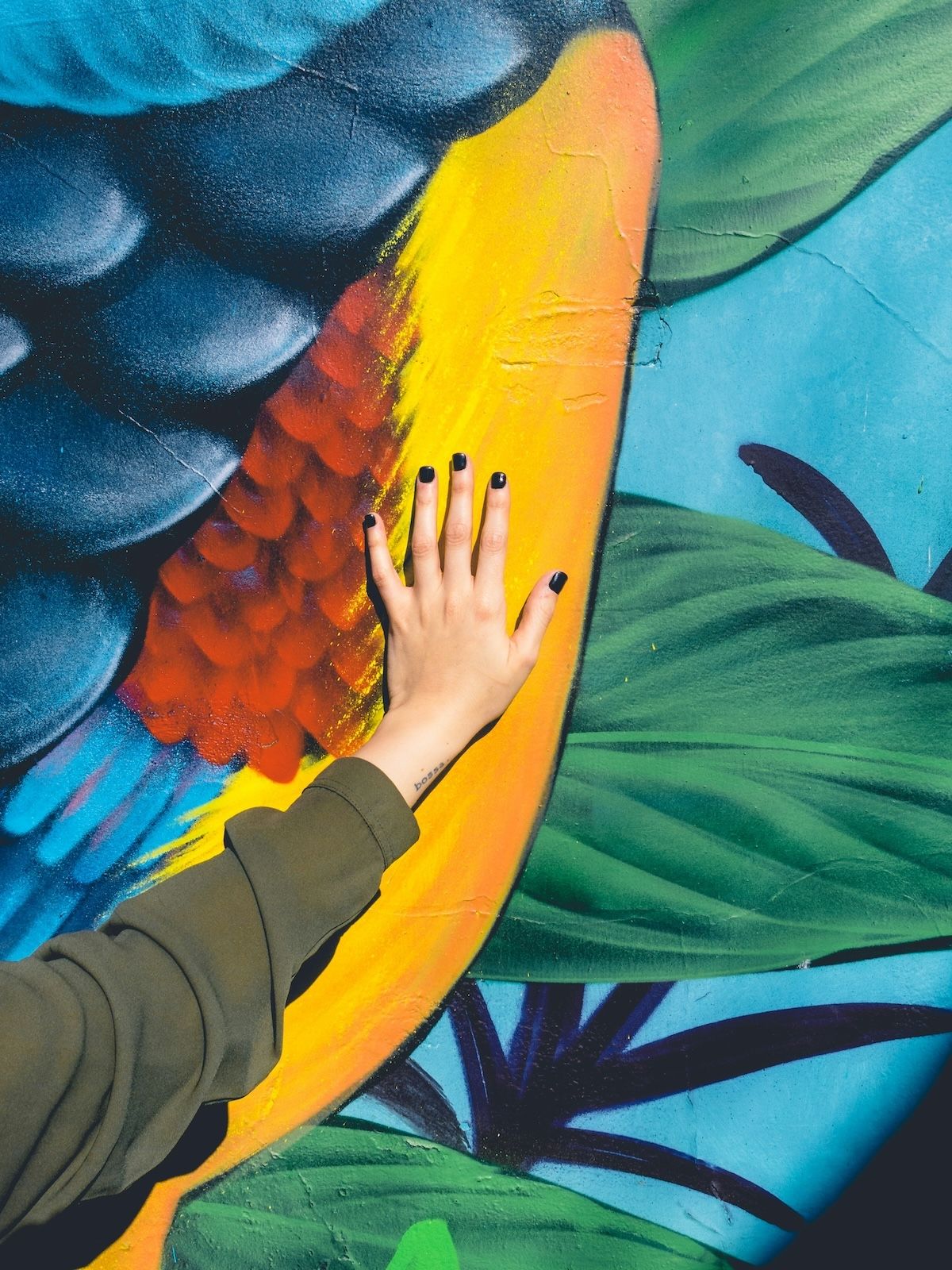
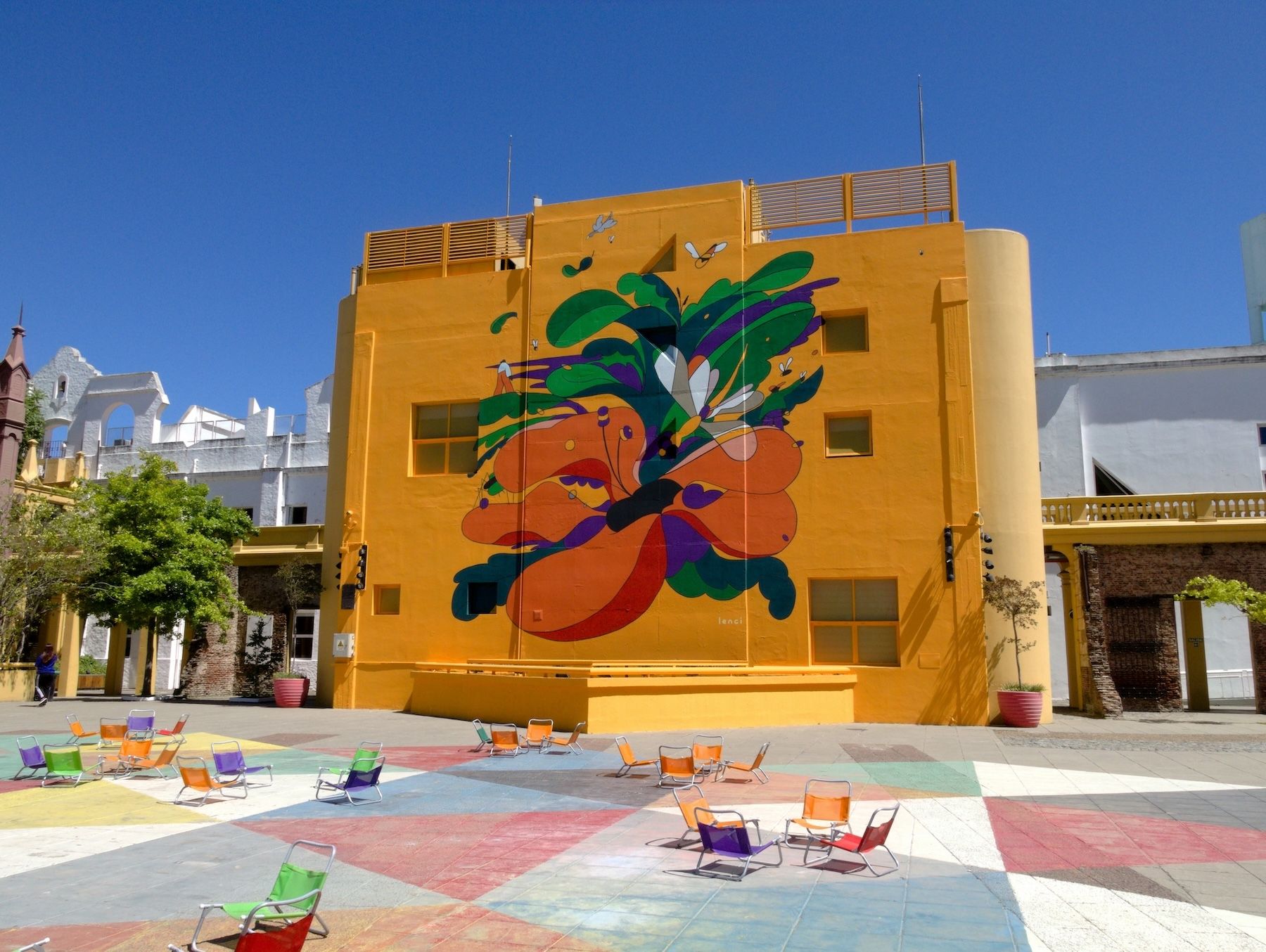
Many people visiting Buenos Aires describe the city as a living canvas. Walk through any neighbourhood and you’ll encounter vivid artworks that tell stories of resilience, community and cultural heritage. Whether through large-scale murals or subtle stencils on quiet corners, street art in Argentina has become an integral part of how the city defines itself.
From the bold streets of Palermo to the historic lanes of La Boca, Buenos Aires street art invites locals and visitors alike to read the city through its walls.
Argentinian Graffiti History: More Than Just Murals
The origins of Argentinian graffiti began well before the era of modern street art. Before Buenos Aires became known internationally for its murals, urban art served as a voice for those navigating periods of suppression and constraint. What is now widely photographed and celebrated began as a subversive tool of expression, at a time when traditional public platforms were not readily accessible.
From Protest to Public Art
During the military dictatorship of the 1970s and 1980s, public political expression in Argentina was tightly restricted. Walls, however, remained a space where messages, whether of remembrance, dissent or identity, could appear overnight. Tags, stencils and simple phrases offered a form of communication that was both immediate and communal. Graffiti emerged not just as a new method of self expression, but as a form of disruption and a record of the collective Argentinian experience.
The Post‑Dictatorship Boom
The return to democracy marked a turning point. As public life opened up, so did artistic experimentation. Murals grew in scale, themes broadened, and the line between graffiti and street art became more defined. “Graffiti” continued to represent tags and text-based signatures, while “street art” expanded into figurative work, narrative murals and city-supported commissions.
Artists such as Martín Ron and Jaz (Franco Fasoli) played a significant role in this shift, bringing more refined techniques, storytelling and monumental scale to urban spaces.
The Best Neighbourhoods for Street Art in Buenos Aires
Buenos Aires’ street art scene is hugely varied. Each neighbourhood contributes its own history, aesthetics and character to the city’s visual landscape.
La Boca: A Kaleidoscope of Colour
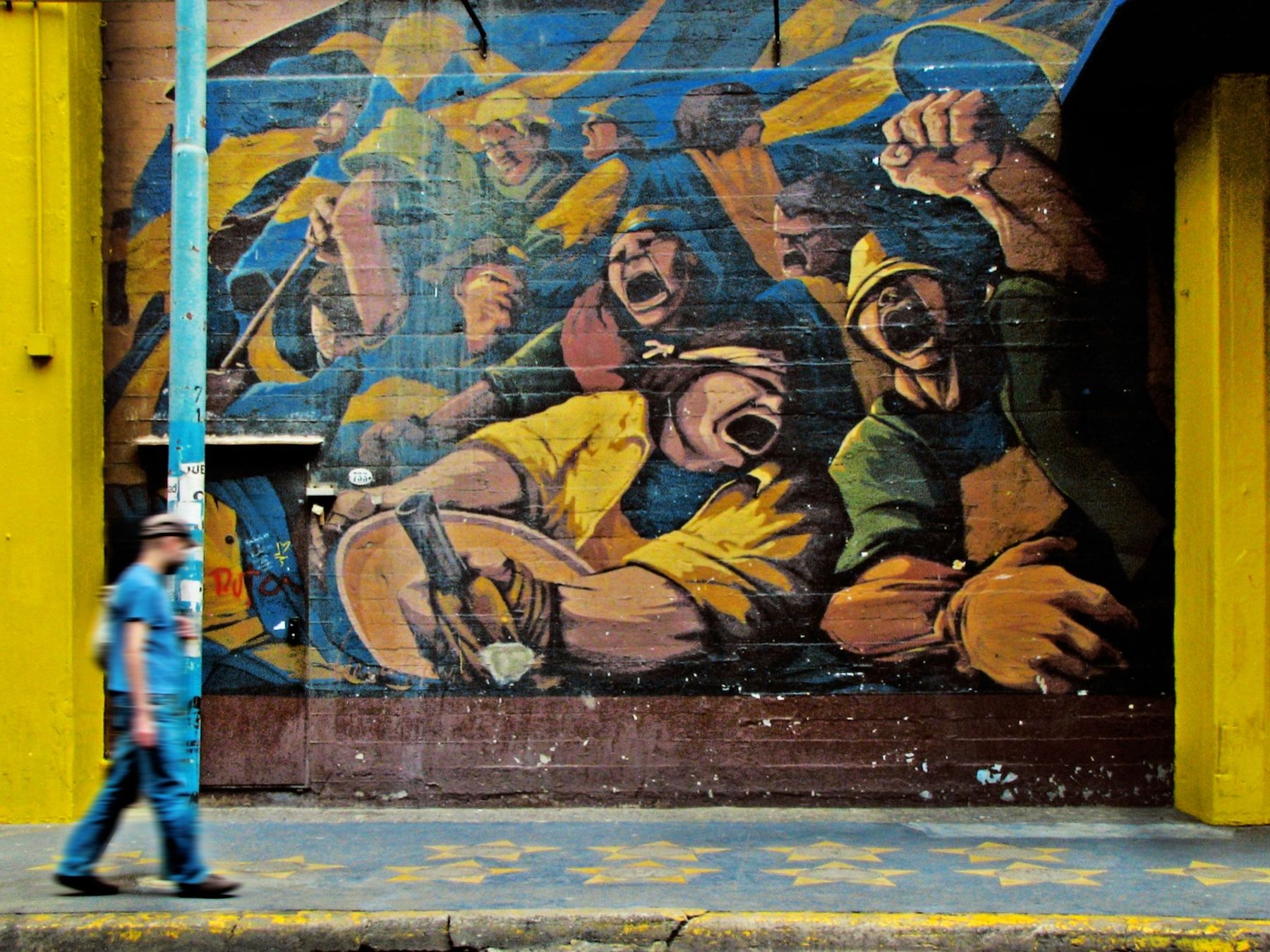
La Boca’s legacy of immigration, tango and working-class culture is reflected in its murals. Around Caminito, a popular open air museum, vibrant pieces celebrate local heritage and community life. Street art here is deeply connected to the area’s layered cultural narrative.
Palermo: A Hipster Haven
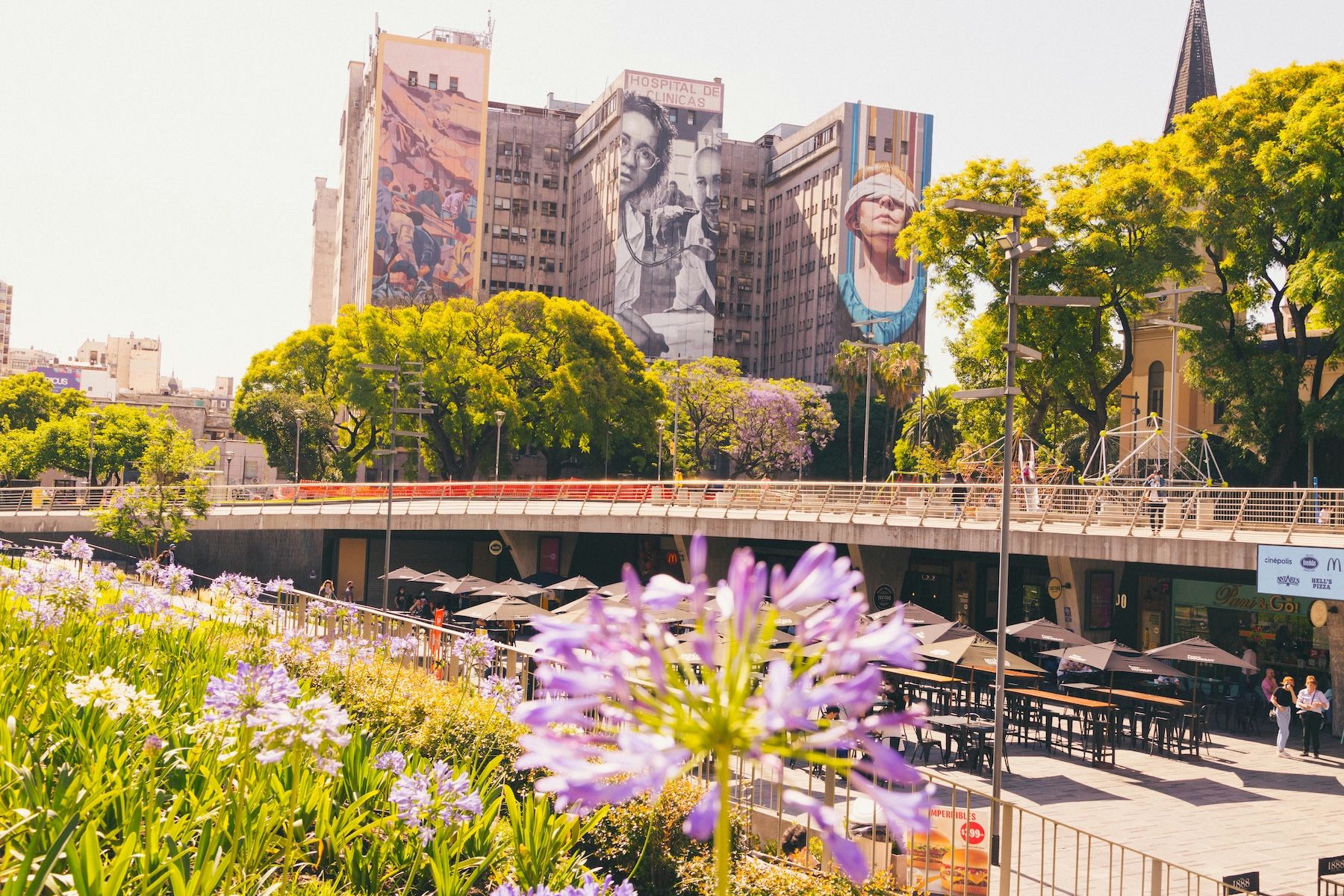
Palermo is one of the city’s most concentrated areas for murals, featuring hyper-realistic portraits, colourful abstractions and dynamic large-scale works. Martín Ron and other prominent artists have transformed its façades into striking visual landmarks. The neighbourhood’s cafés, boutiques and galleries all add to the area’s artistic atmosphere.
San Telmo and Barracas: Echoes of History
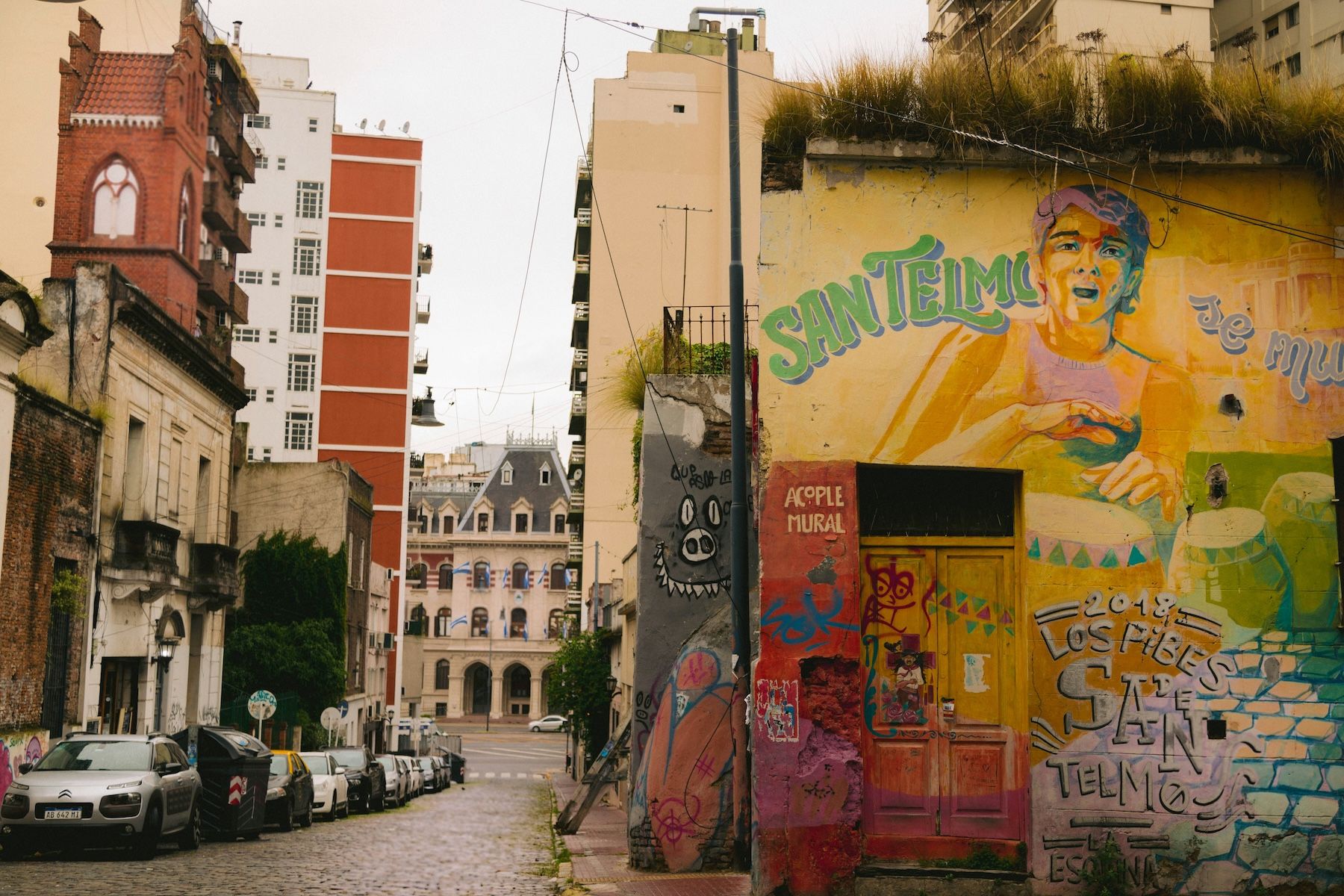
San Telmo’s charming cobblestone streets and well-preserved historic architecture make for a striking setting where modern street art meets the city’s colonial past.
Nearby Barracas has developed a reputation for some of the largest murals in Buenos Aires, including Alfredo Segatori’s expansive “urban mirror” works that play with perspective and reflective surfaces.
Villa Crespo and Colegiales: Off the Beaten Path
Away from the busier tourist routes, Villa Crespo and Colegiales offer a more intimate street art experience. With a focus on experimentation and local expression, emerging artists such as Cabaio Stencil create pieces that invite visitors to slow down and observe their environment.
Argentinian Street Artists
Several artists have shaped how Argentina’s urban art is recognised both locally and internationally. Here are some of the best known artists whose work continues to shape how we understand street art in Argentina today:
Martín Ron
Martín Ron is known for his hyper-realistic large-scale murals. His work often transforms urban walls into immersive scenes that interact with light and shade, architecture, and city life.
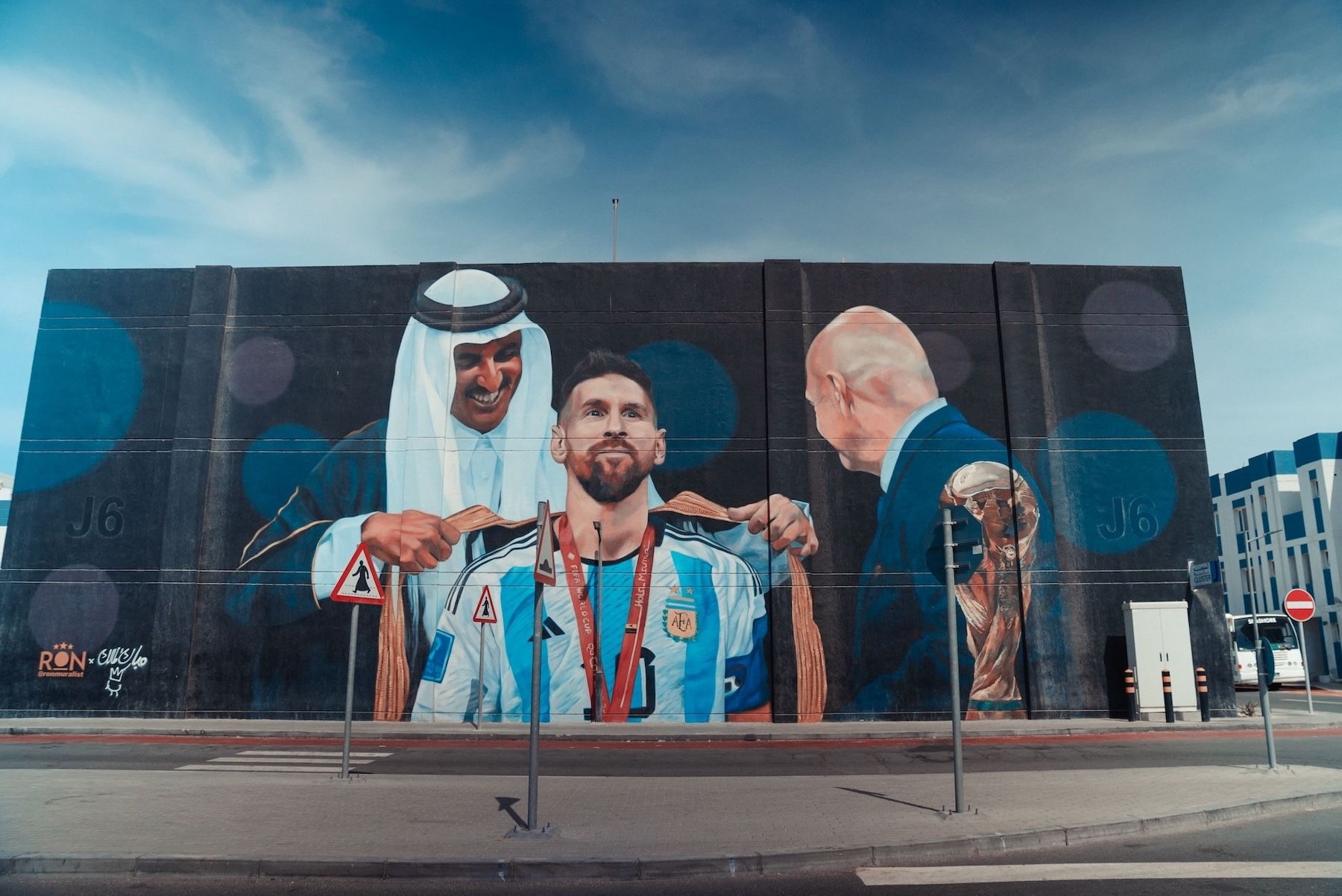
After Argentina won the FIFA World Cup Qatar 2022™, he travelled to Doha to collaborate with renowned Qatari street artist Mubarak Al-Malik on Magic Night at Lusail Stadium, a mural depicting the moment Argentinian captain Lionel Messi was draped in a traditional Qatari bisht by His Highness the Amir.
The collaboration highlighted a moment that has become emblematic of the friendship between the two nations. Ron has also previously worked in Qatar, creating his well-known 11-metre-tall ‘Oryx Goes Forward’ mural at Katara Cultural Village.
Jaz (Franco Fasoli)
Jaz’s distinctive blend of graffiti and painting features bold figures and themes of struggle, identity and memory. His work appears across Buenos Aires and in cities worldwide.
Animalitoland (Graciela Gonçalves Da Silva)
Known for her whimsical, creature-filled worlds, Animalitoland (Graciela Gonçalves Da Silva) creates vibrant murals that merge fantasy with emotional storytelling, bringing playful yet deeply expressive characters to urban walls.
Gualicho (Pablo Harymbat)
Pablo Harymbat, widely known by his artistic name, Gualicho, is celebrated for his graphic, dreamlike compositions that blend folkloric motifs with contemporary urban symbolism. Harymbat’s work has appeared across Argentina and internationally, and he remains an influential figure in the evolution of Latin American street art.
Cabaio Stencil
Working primarily with stencils, Cabaio layers intricate designs to create pieces that merge context, detail and urban storytelling.
Alfredo Segatori
Segatori’s large-scale “urban mirrors” use perspective and occasionally sculptural elements to engage with viewers. His mural in Barracas is considered one of the longest in the world.
Murals, culture and tourism
Street art has become a defining feature of Buenos Aires’ cultural landscape. A growing number of Buenos Aires street art tours now guide visitors through the city’s most significant works, offering insight into different techniques, and the hidden meanings and history behind the murals.
Street Art Exchanges in the Qatar, Argentina and Chile 2025 Year of Culture
As part of the Qatar, Argentina and Chile 2025 Year of Culture, recent street art exchanges have taken place under the JEDARIART initiative.
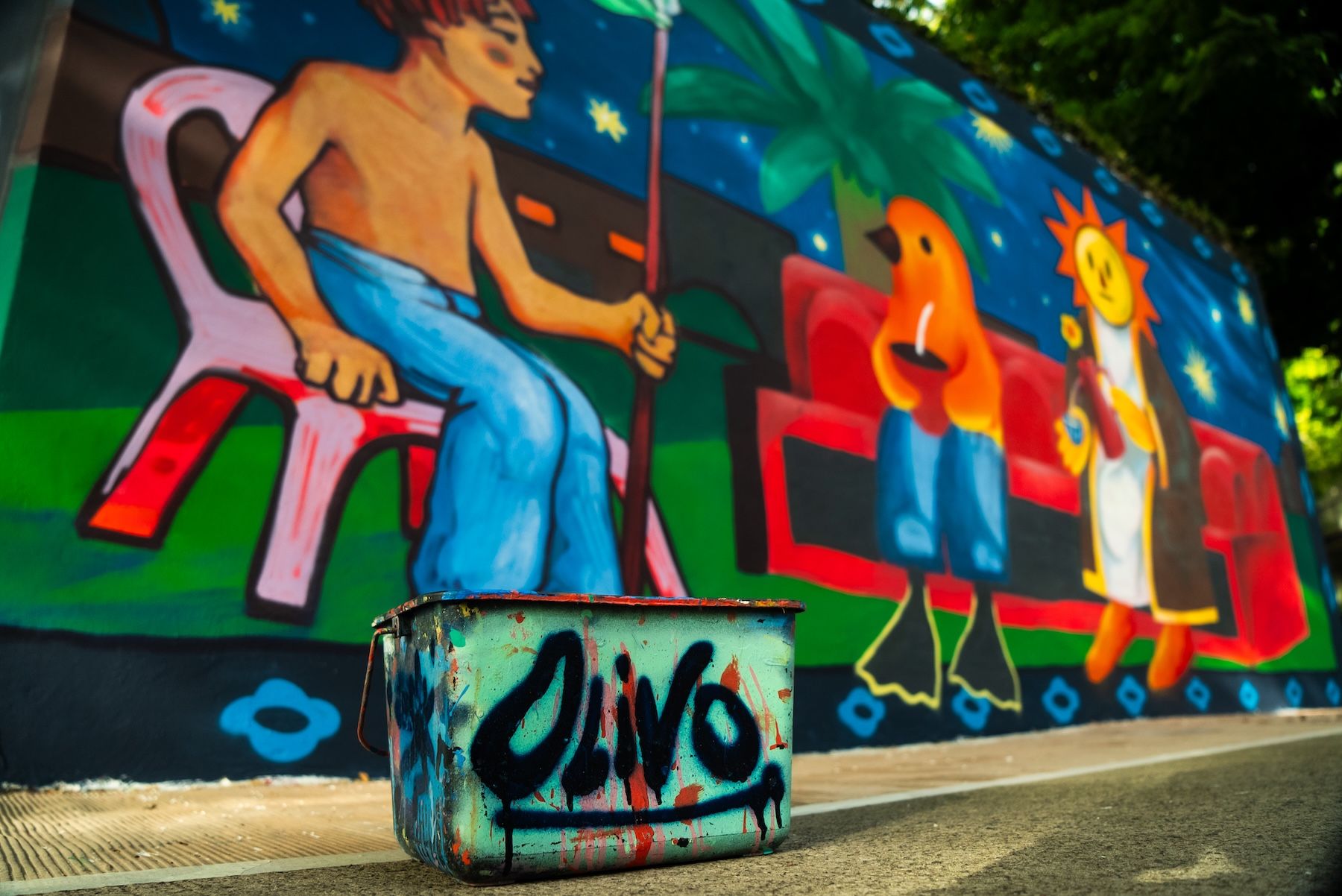
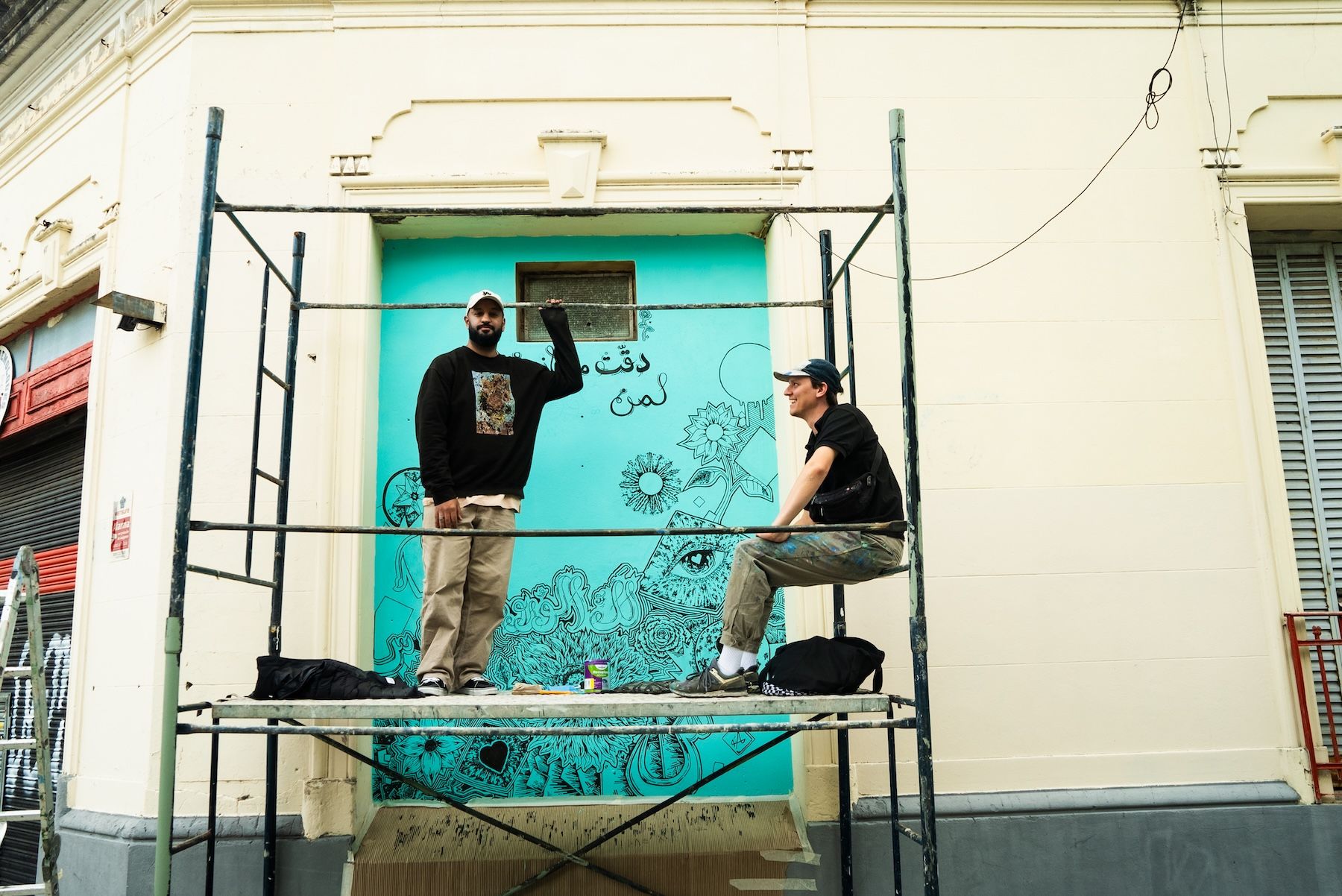
In November, Qatar-based artists Abdulla Alemadi and Abdulla Al Sallat transformed public spaces in Buenos Airesalongside local artist Olivo, with murals created in partnership with Buenos Aires Street Art and Club Media Network. The exchange formed an artistic dialogue that integrated Qatari narratives into the fabric of Buenos Aires.
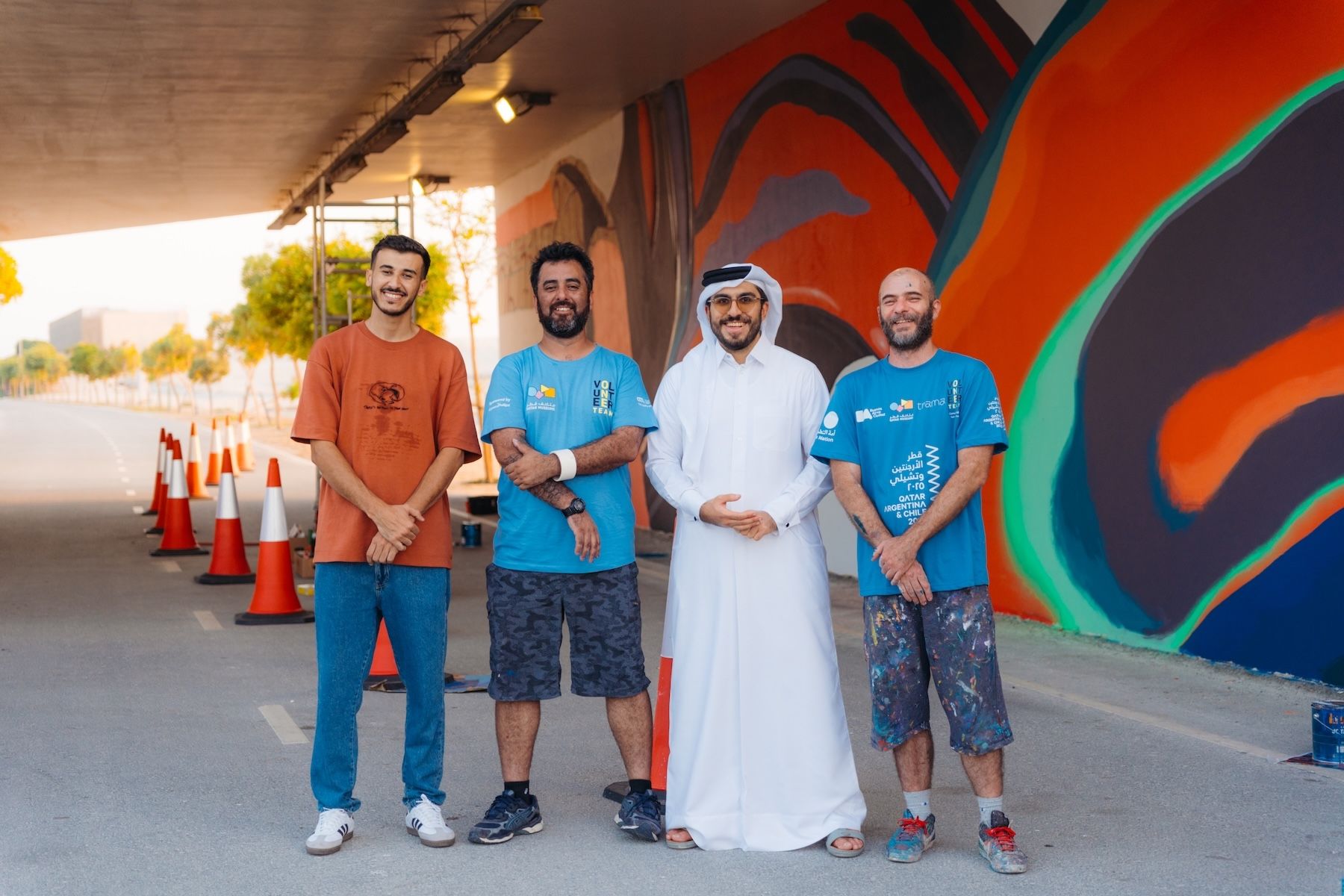
In Qatar, Argentinian artist Pablo Harymbat contributed to the initiative by transforming the Qatar Olympic Cycling Track tunnels into an outdoor gallery celebrating indigenous cultures and Latin American visual storytelling. Working alongside Chilean muralist Daniel Marceli at Al Ebb Interchange, the project created a vibrant cross-cultural exchange that connected artists and audiences across continents.
Later this year, the World Wide Walls Doha initiative will bring Argentinian muralist Animalitoland to the Al Aziziyah neighbourhood in Doha, alongside Chilean street artist Posh del Futuro, where they will add striking murals to the local landscape.
Public Art in Buenos Aires’ Evolving Urban Landscape
For those wondering whether graffiti is legal in Buenos Aires, the answer is that it depends. Unauthorised tagging is illegal, but many murals are created through public or private commissions, making them part of the legitimate and recognised cultural fabric of the city.
Exploring Buenos Aires through its murals, neighbourhood by neighbourhood gives visitors an immersive view of Argentina’s identity, history and creativity.
Find out more about upcoming events in Doha during the Qatar, Argentina and Chile 2025 Year of Culture.
More Articles
This website uses cookies for a better experience.