A Celebration of Culinary Exchange at Qatar International Food Festival 2026
2026/03/24
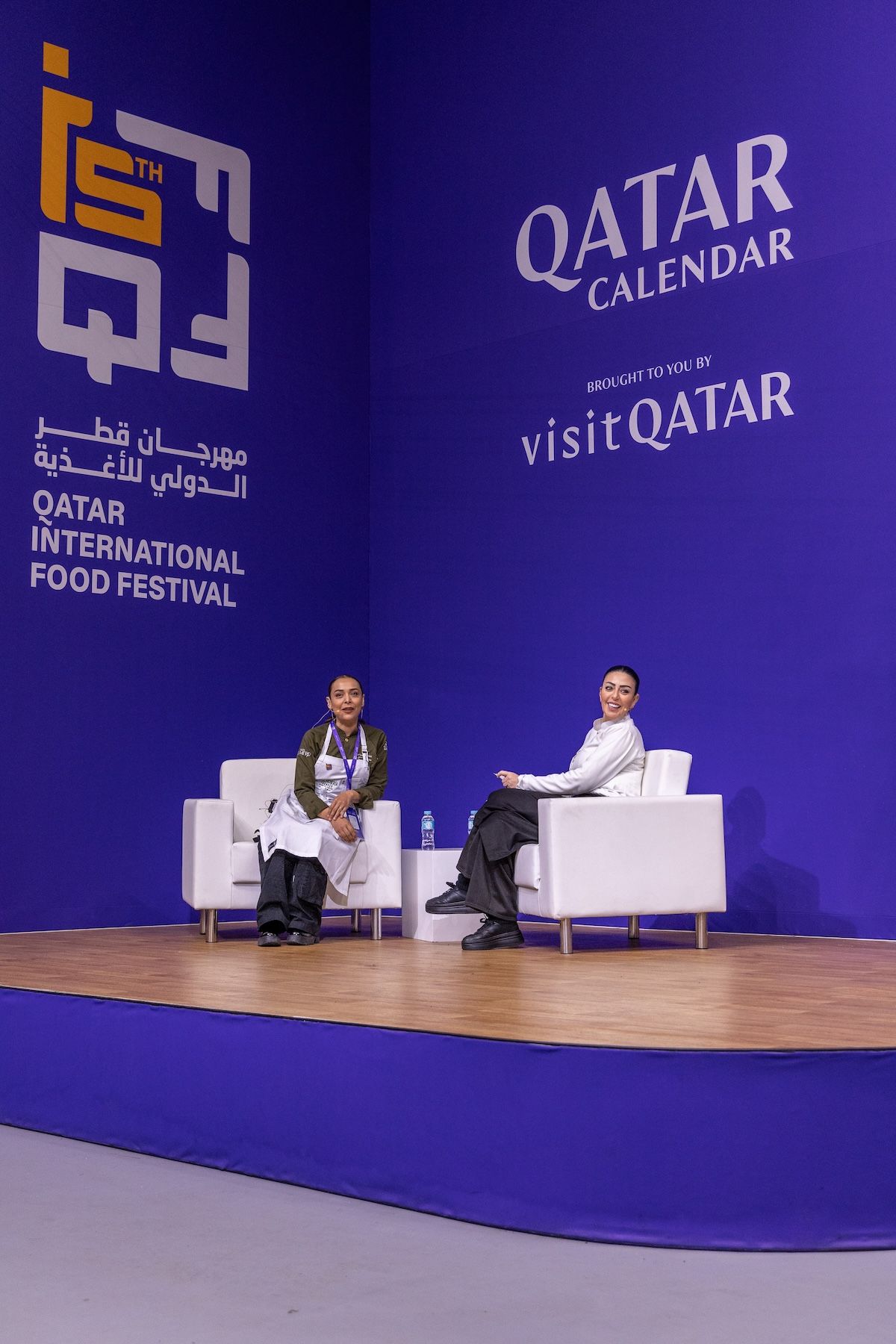
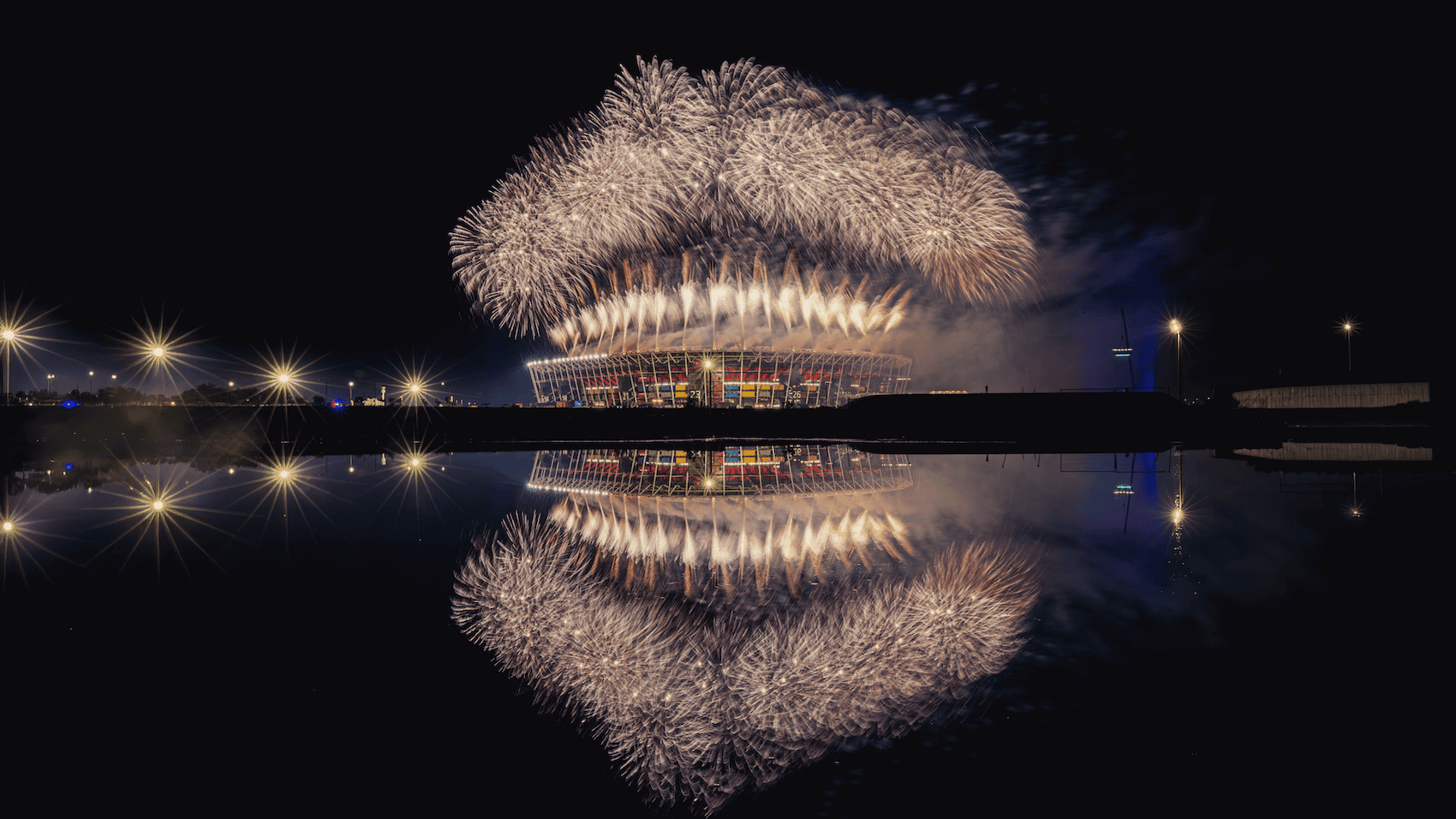
From 14th to 24th January 2026, the Qatar International Food Festival returned to the 974 Stadium precinct for its fifteenth edition and undoubtedly its most ambitious to date.
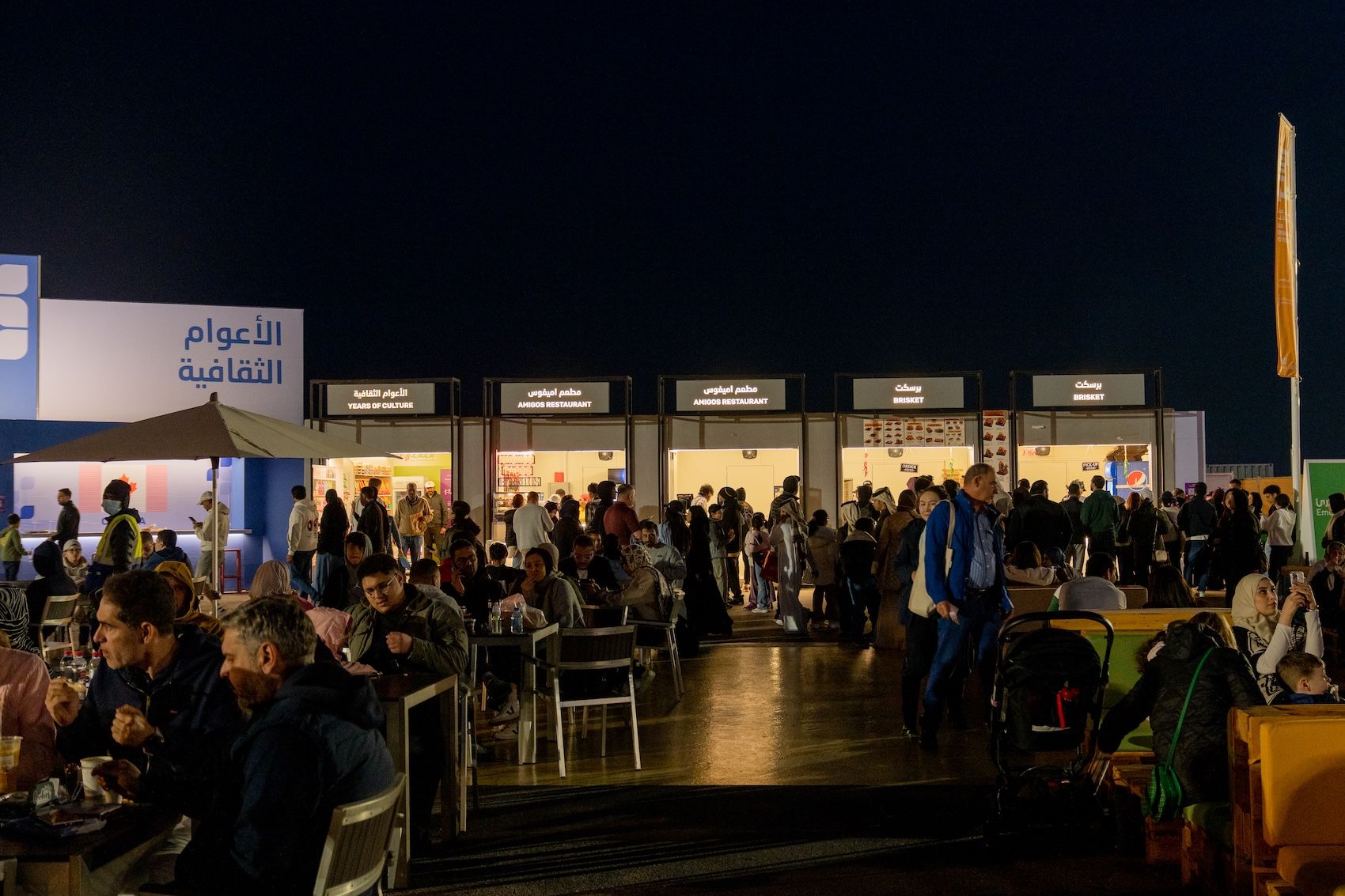
Over ten days, nearly half a million visitors gathered for the Qatar International Food Festival 2026 to explore food zones filled with local and international vendors, live demonstrations, family workshops, and evening entertainment. Organised by Visit Qatar, the festival has become a cornerstone of the nation’s cultural calendar.
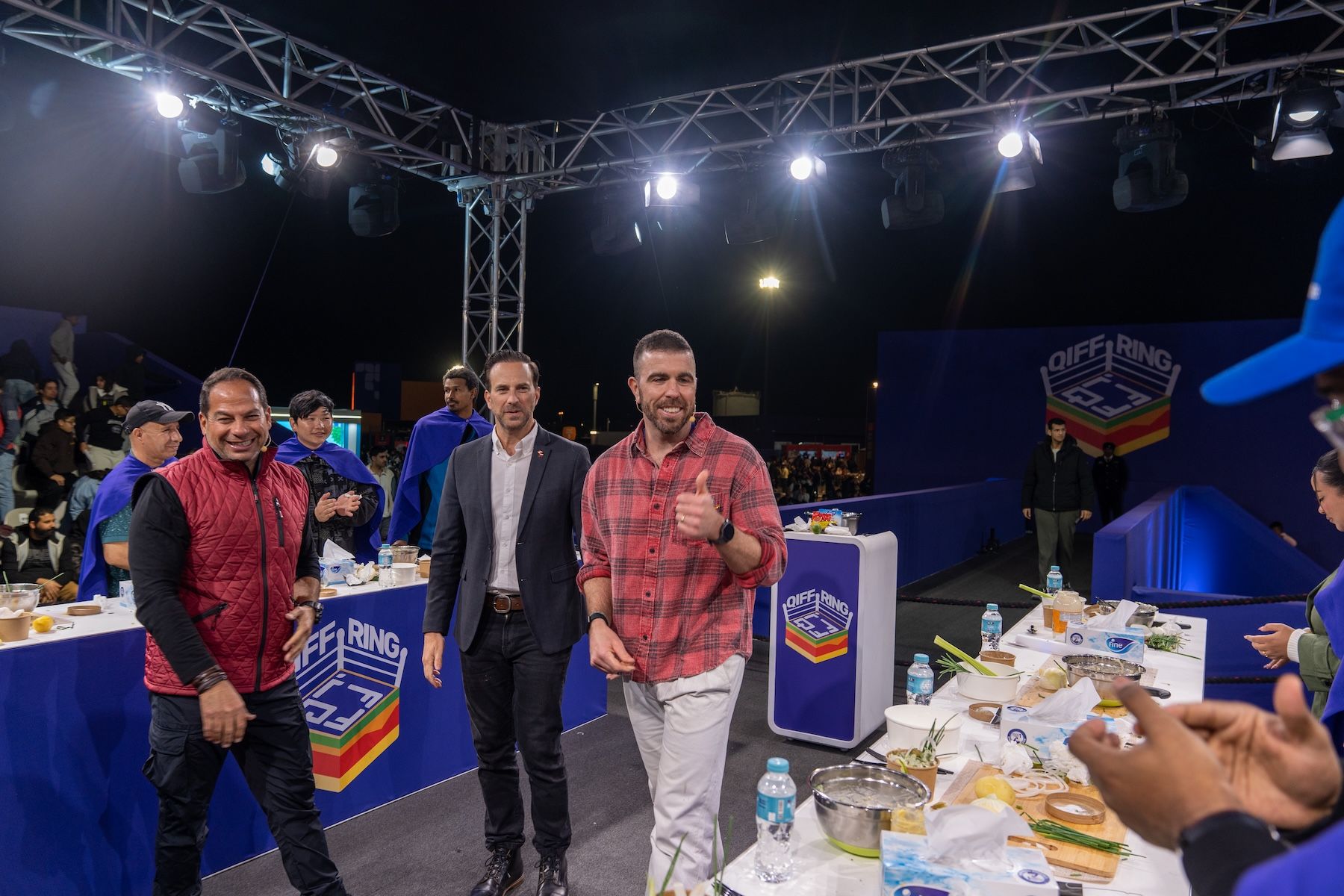
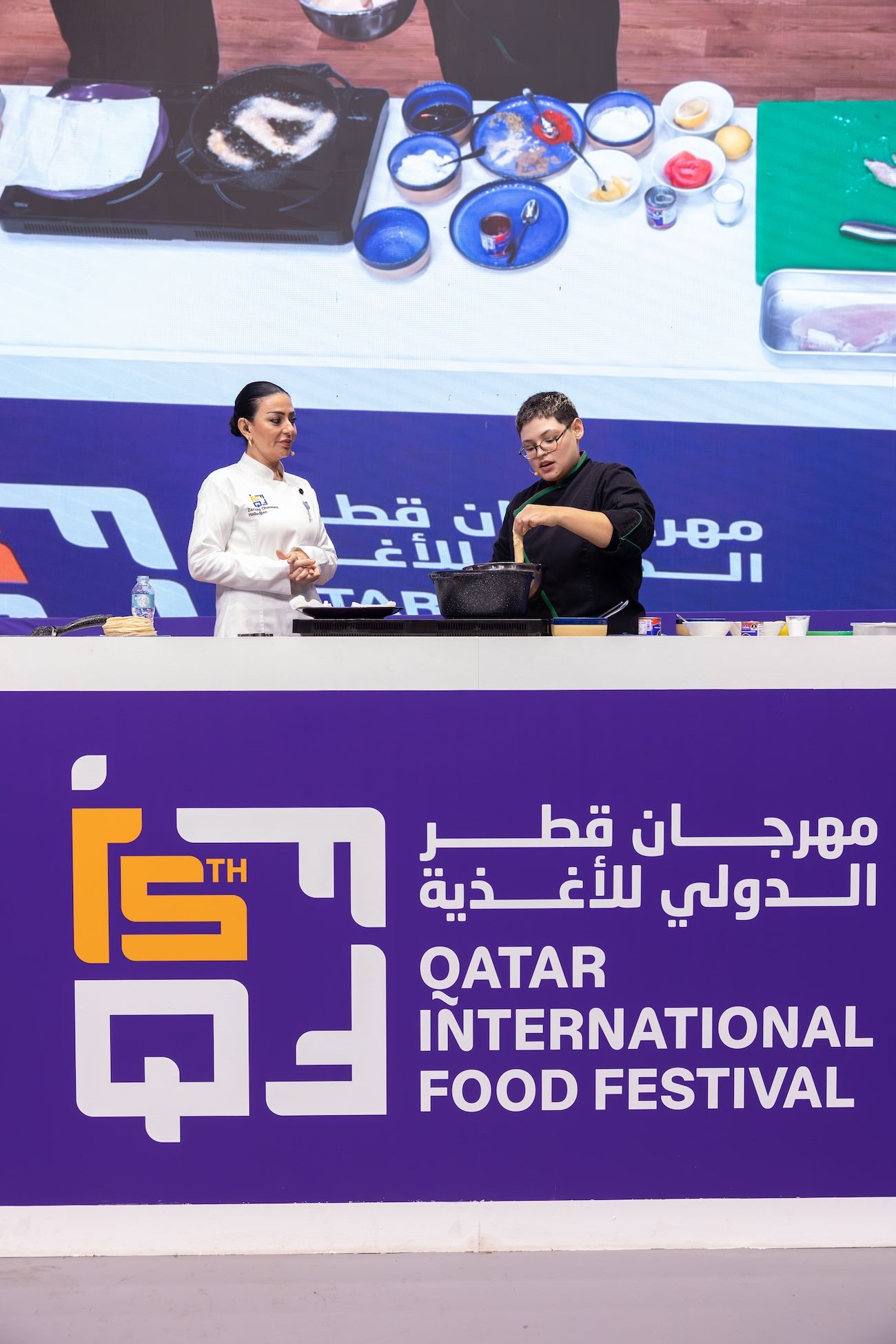
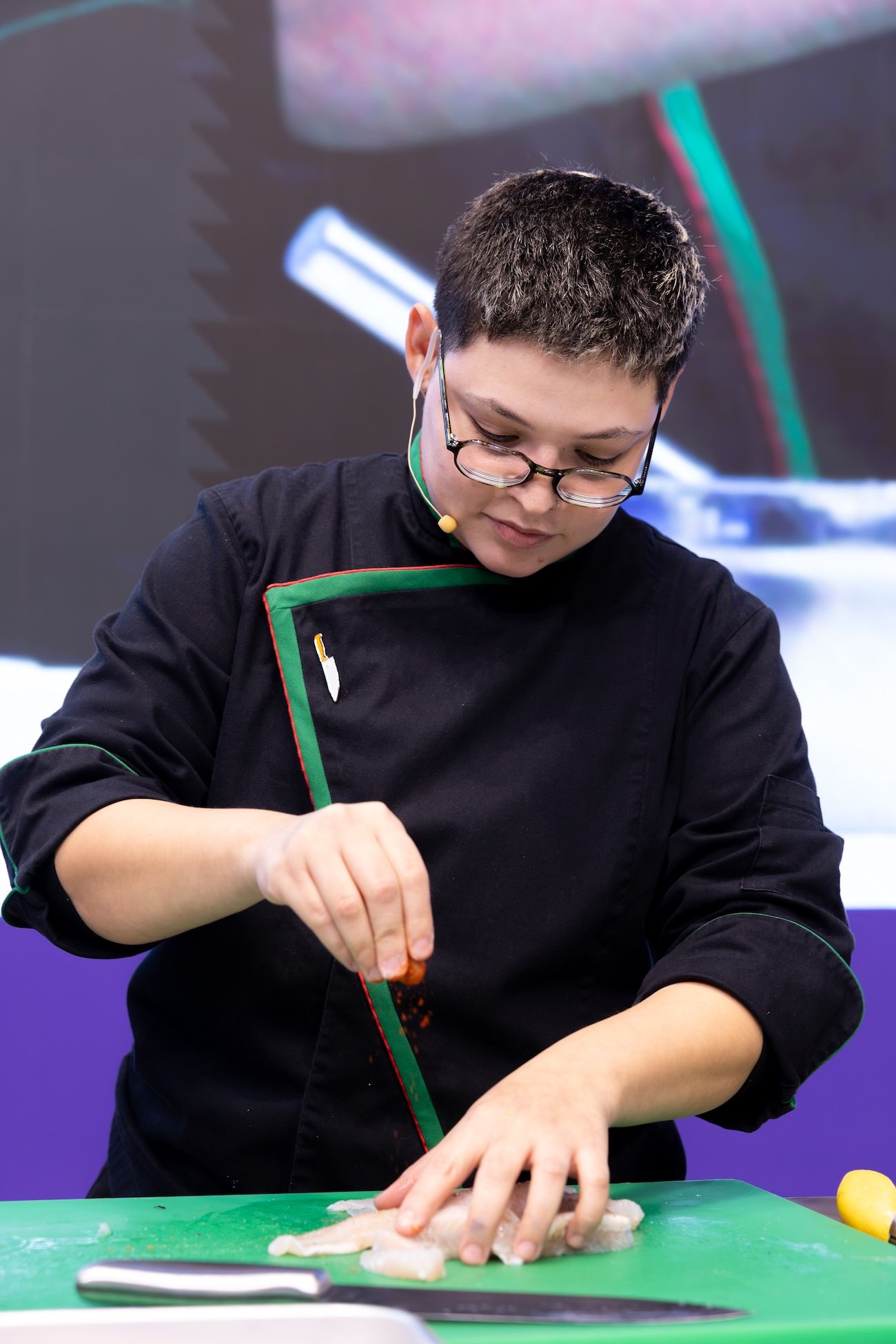
This year it unfolded within the wider framework of the Qatar Canada and Mexico 2026 Year of Culture, with culinary exchange at its heart. More than 200 local vendors took part, alongside 46 international participants, while over 50 chefs led masterclasses and tasting sessions in the Cooking Studio and the QIFF Ring.
The programme also included QIFF Juniors for younger audiences, an Open Fire zone, and featured live performances, nightly shows and community activities.
Attendance reached 490,493 visitors, marking the most popular edition in the festival’s history, with an impressive 36% increase on the previous year. The scale of the event reflected its growing global reach, while the focus remained on conversations, and the human stories behind world cuisine.
Canadian Chefs at Qatar International Food Festival 2026
As part of the 2026 Year of Culture, renowned Canadian chefs Eric Chong and Andy Hay participated in a series of showcases highlighting Canada’s diverse culinary identity. We spoke with both chefs about how a strong sense of place influences their cooking.
Chef Eric Chong on How His Multicultural Identity Shapes His Approach to Fine Dining
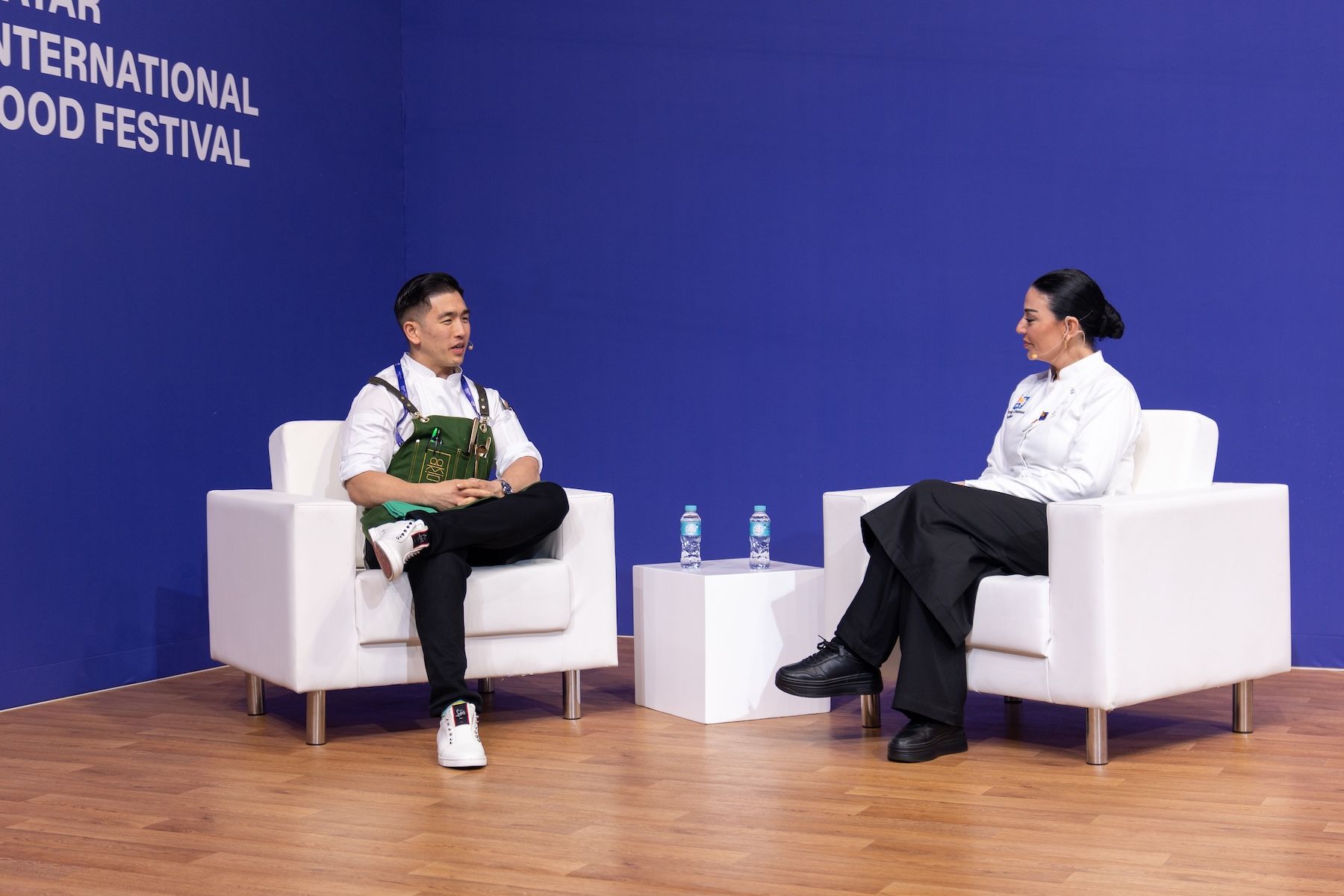
Chef Eric Chong presented a contemporary expression of Canadian identity shaped by his Asian heritage. Recipient of a 2025 Michelin Guide Young Chef Award, he first came to national prominence as the winner of MasterChef Canada. He is now the chef and owner of aKin, a Toronto-based restaurant which has earned a Michelin star for Chong’s modern Asian fine dining, rooted in his own history and executed with precision.
“The restaurant is built on the idea of being related by blood, reflecting my Malaysian father and Guangzhou-born mother,” he explained. “Those influences shape the flavour profiles, while Canadian seasonality and contemporary technique define the execution. Rather than replicating tradition, I reinterpret it through a tasting menu format that elevates familiar Asian dishes into a refined, globally relevant experience."
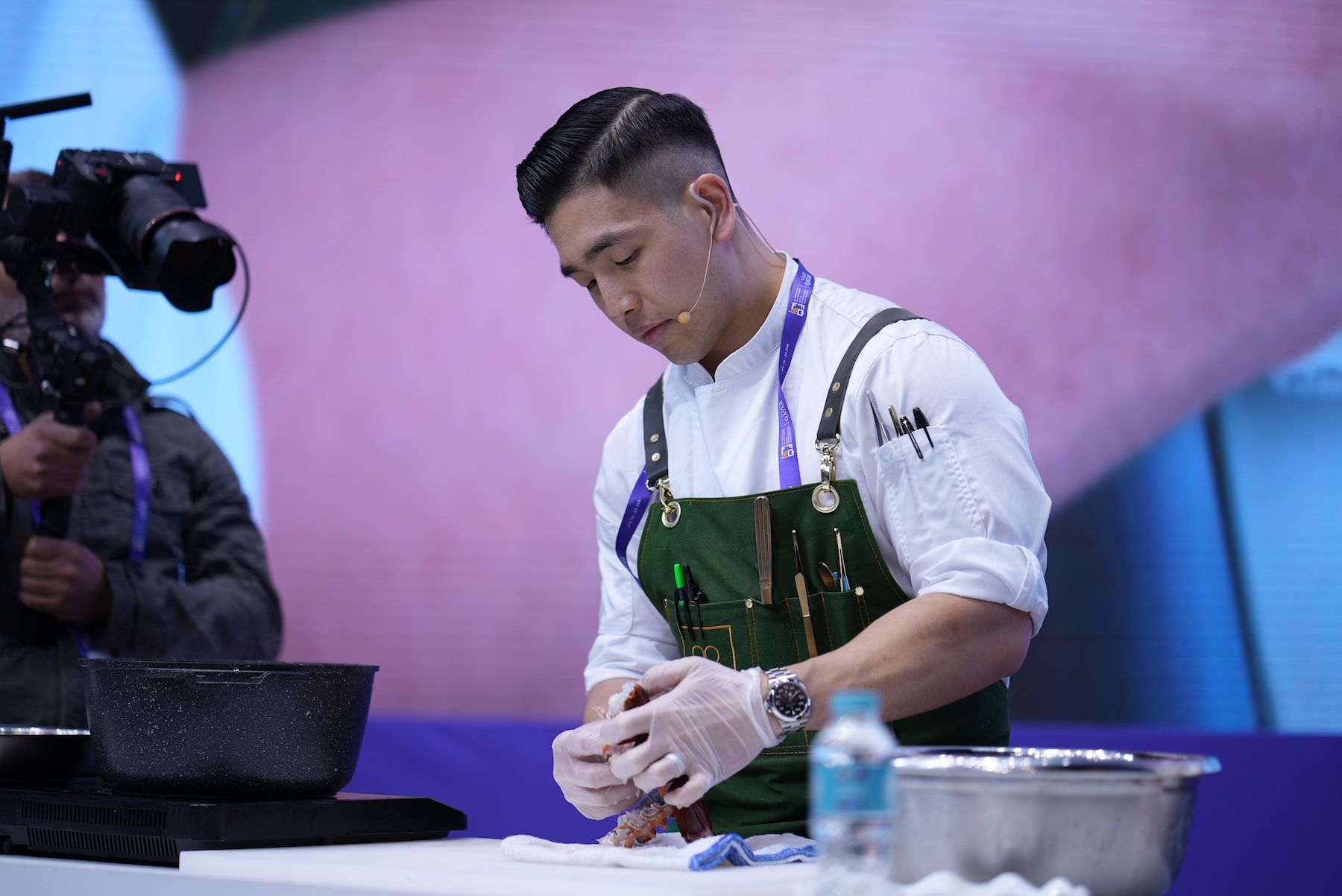
Reflecting on his time in Doha, he described how being part of the Qatar International Food Festival was incredibly energising. “Cooking live for an international audience and seeing guests connect with Asian flavours in a new context was a highlight,” he shared.
He also noted the importance of professional exchange during the week: “The scale of the festival and the opportunity to share ideas with chefs from around the world reinforced how food transcends language. Representing aKin on that stage and sharing our philosophy beyond Canada was both humbling and inspiring.”
Chef Andy Hay on his Atlantic Canadian Heritage
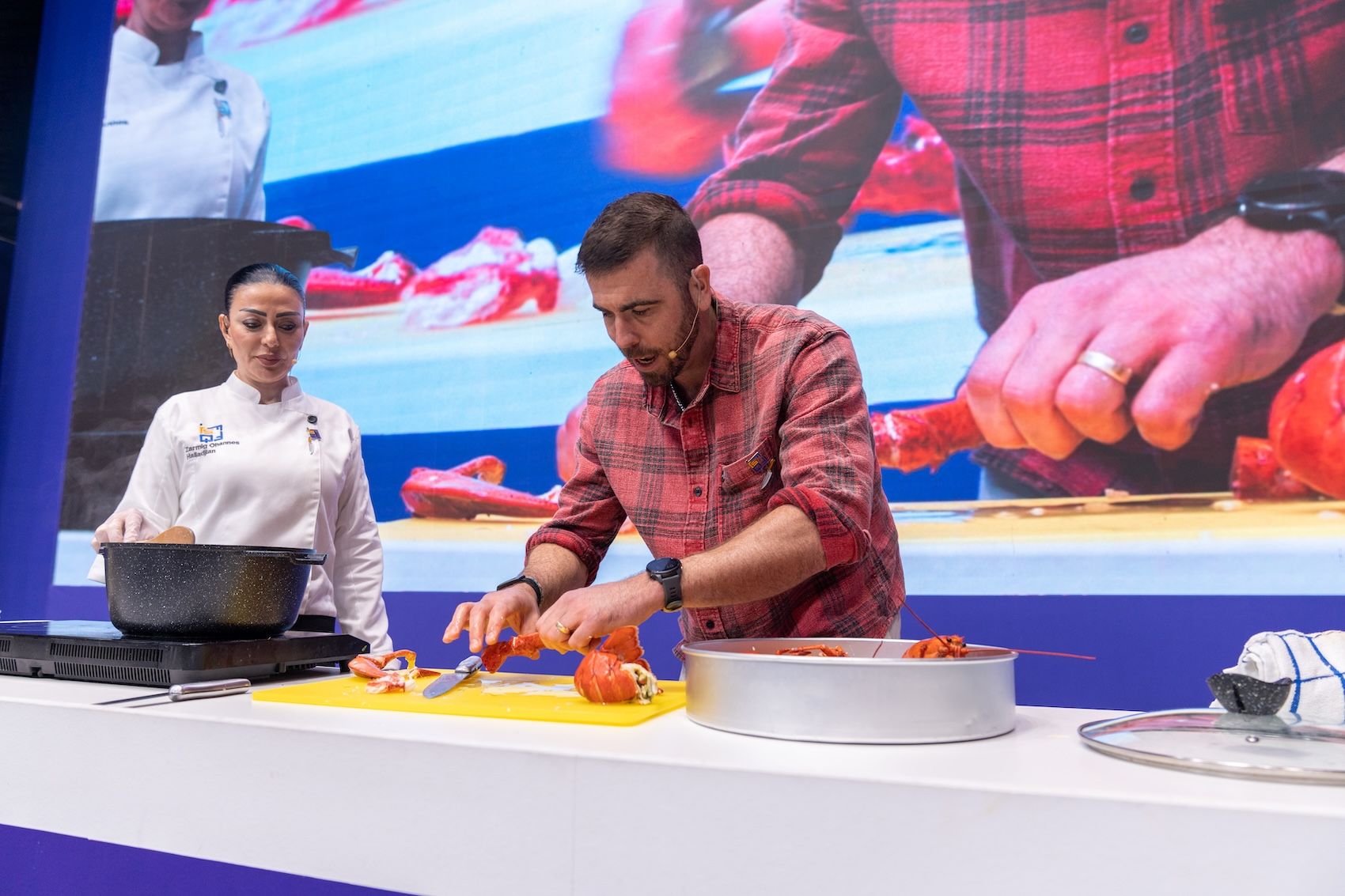
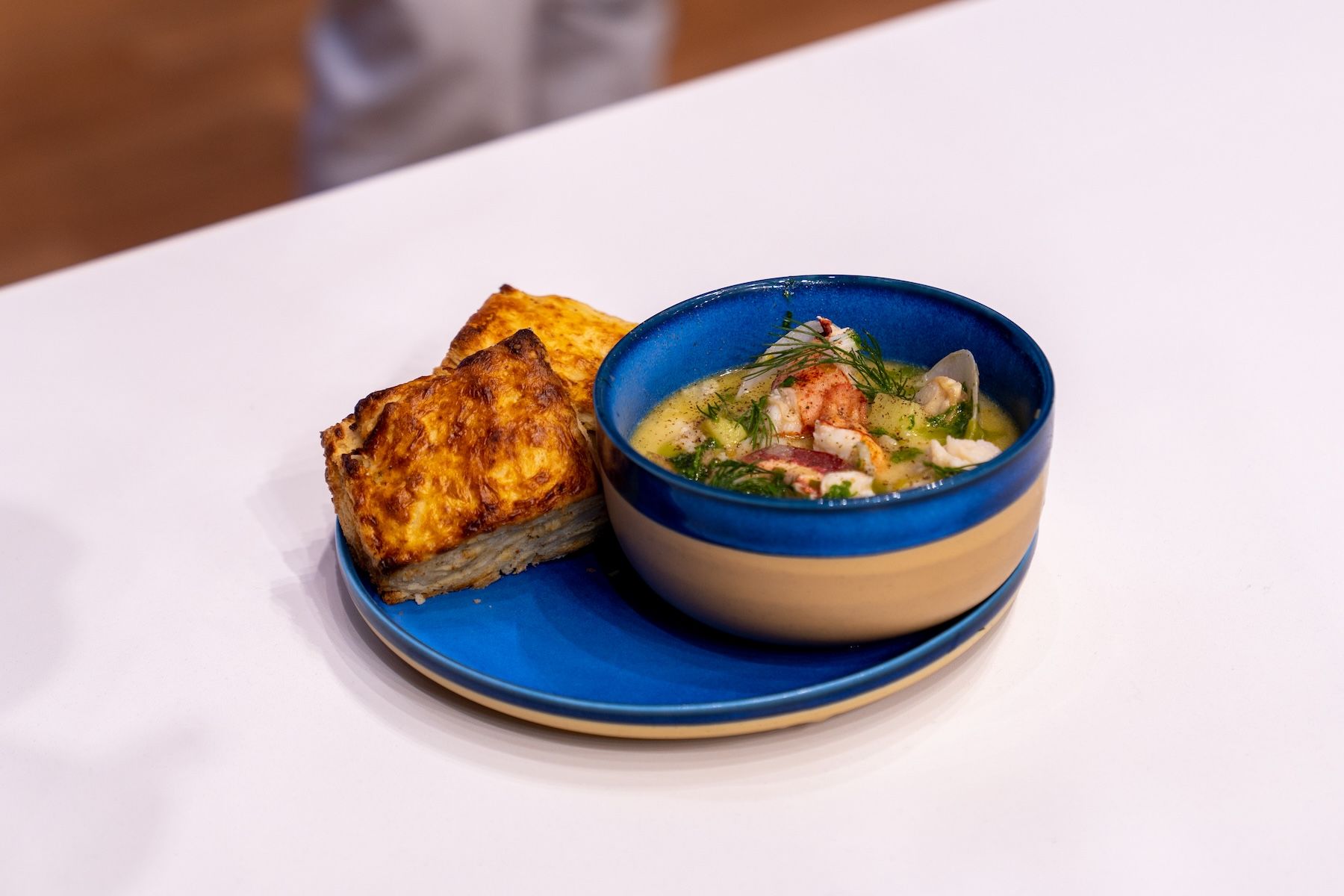
Born and raised in Nova Scotia, Chef Andy Hay brought the maritime flavours of Atlantic Canada to the festival, from lobster chowder in the Cooking Studio to lively challenges in the QIFF Ring. Through his platform East Coast Kitchen, he is on a mission to make delicious cooking fun and approachable, offering foolproof recipes and fresh kitchen inspiration designed to help home cooks grow in confidence.
His approach to food is rooted in memories and his everyday experiences growing up: “East Coast comfort food is everything to me because it’s built on nostalgia and real life. I’m always drawn to the foods people actually grew up eating,” he shared.
“Not the reimagined fancy versions, but the dishes that came out of small kitchens, fish shacks, bakeries and family tables. For me, those flavours hold memories of the seaside lifestyle: long summers by the ocean, hardworking communities, and food that’s simple but done right.”
“East Coast cooking has this quiet cultural value of making the most of what you have, feeding people generously, and gathering around something warm when the weather turns,” he said, reflecting on the values that continue to shape his cooking. “It’s working-class food with a lot of soul, and that’s what I’ll always be inspired by.”
His favourite moment at the festival reflected the same sense of connection. “One of the coolest moments for me happened on the first night I attended the festival,” he recalled. “My team and I were just getting a lay of the land, when we were approached by a chef from Qatar, Chef Salman. He immediately introduced himself to us and proceeded to walk us through the festival, highlighting the Qatari vendors and talking us through the must-eat dishes. From Shawarmas and Machboos, to Hookies Cookies, we had it all. That level of hospitality was something we experienced throughout our whole trip, but that really set the tone for the whole week.”
For Hay, participating in the Qatar Canada and Mexico 2026 Year of Culture carried personal meaning. “I love where I am from and to be able to tell our story at a global level is deeply inspiring to me. We learned and experienced so much from the amazing people we met at the festival and in Doha. It was really cool to be able to showcase my culture and our story on a global stage.”
Mexican Culinary Heritage at Qatar International Food Festival 2026
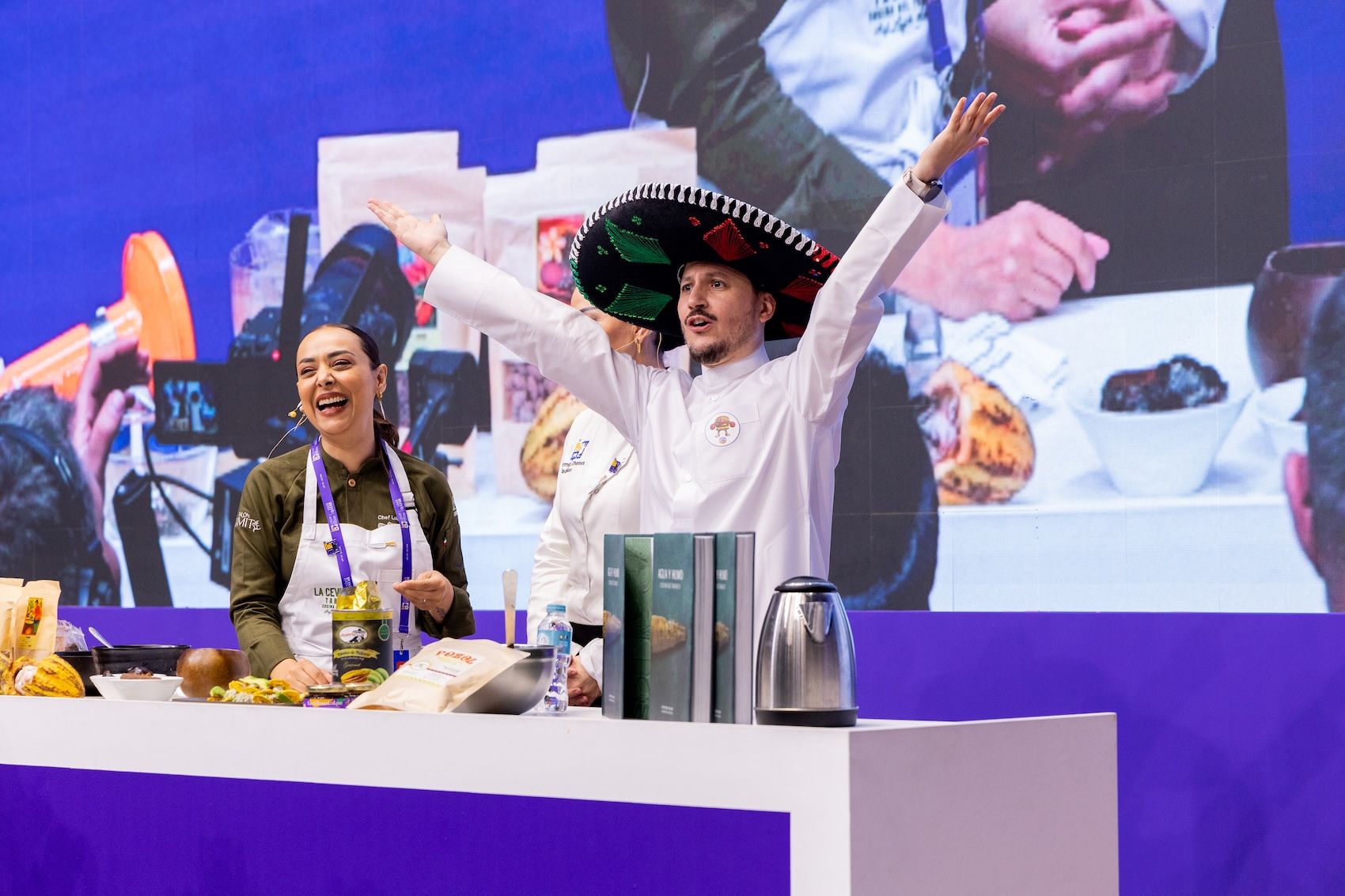
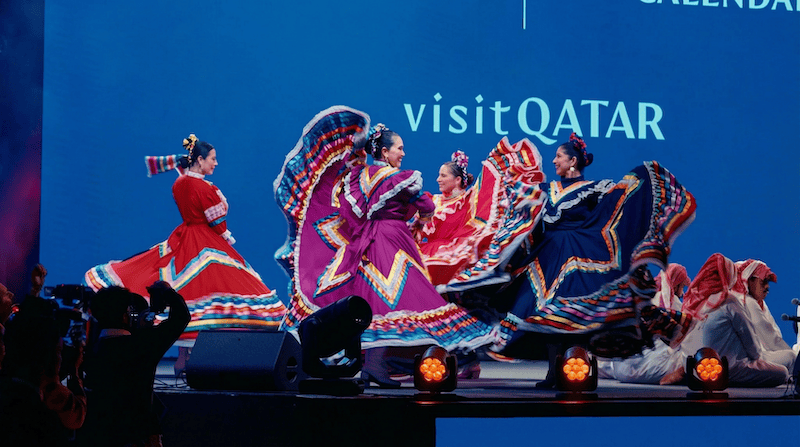
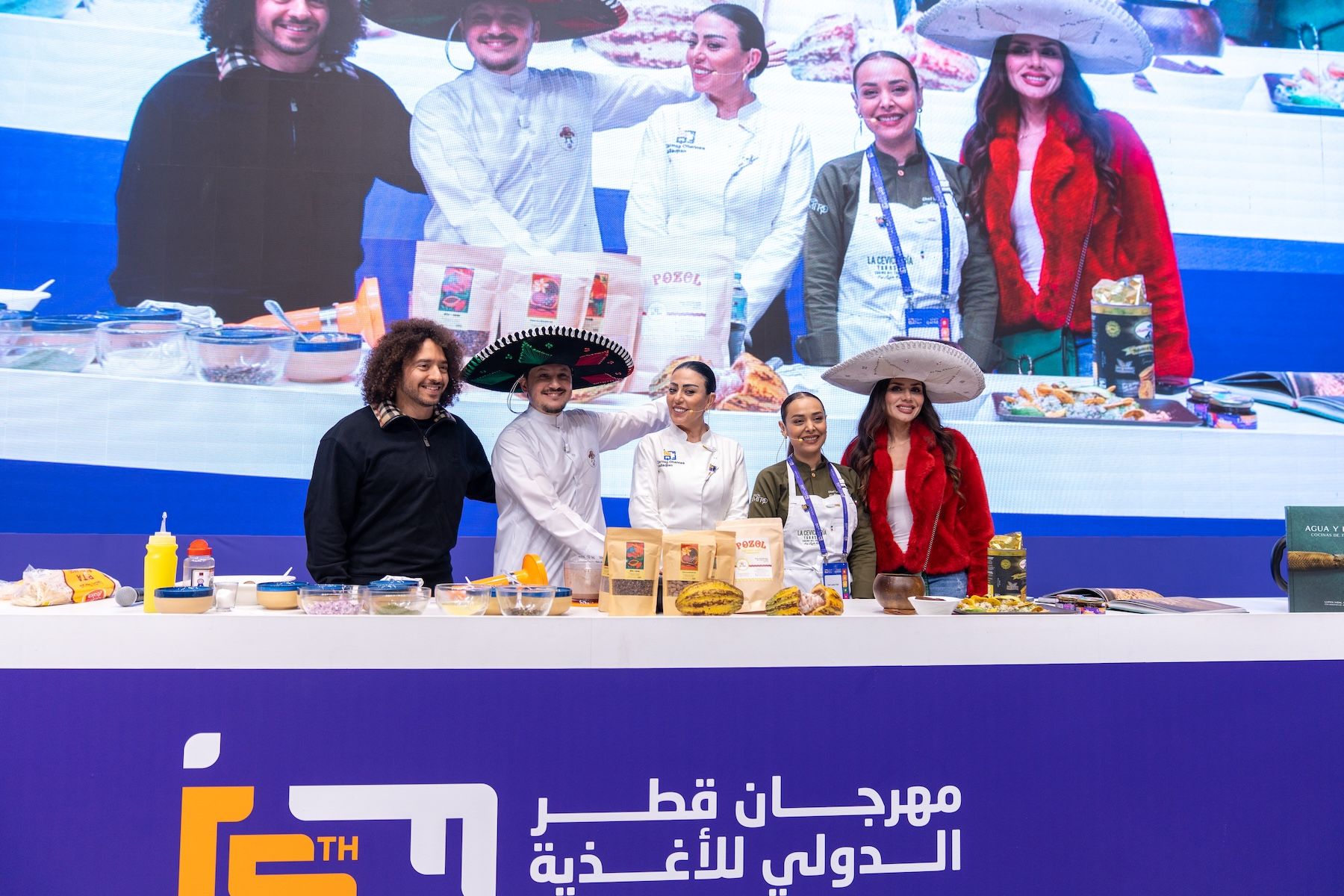
Mexico’s participation at QIFF 2026 brought regional depth, vibrant ingredients, and a strong emphasis on culinary history. Mexican chefs Lupita Vidal, Esdras Ochoa and Eva Quintanilla took part in demonstrations, tastings and insightful conversations about their distinct interpretations of Mexican cuisine. We also spoke with the chefs about the traditions and regional influences that shape their cooking.
Chef Lupita Vidal and the Flavours of Tabasco
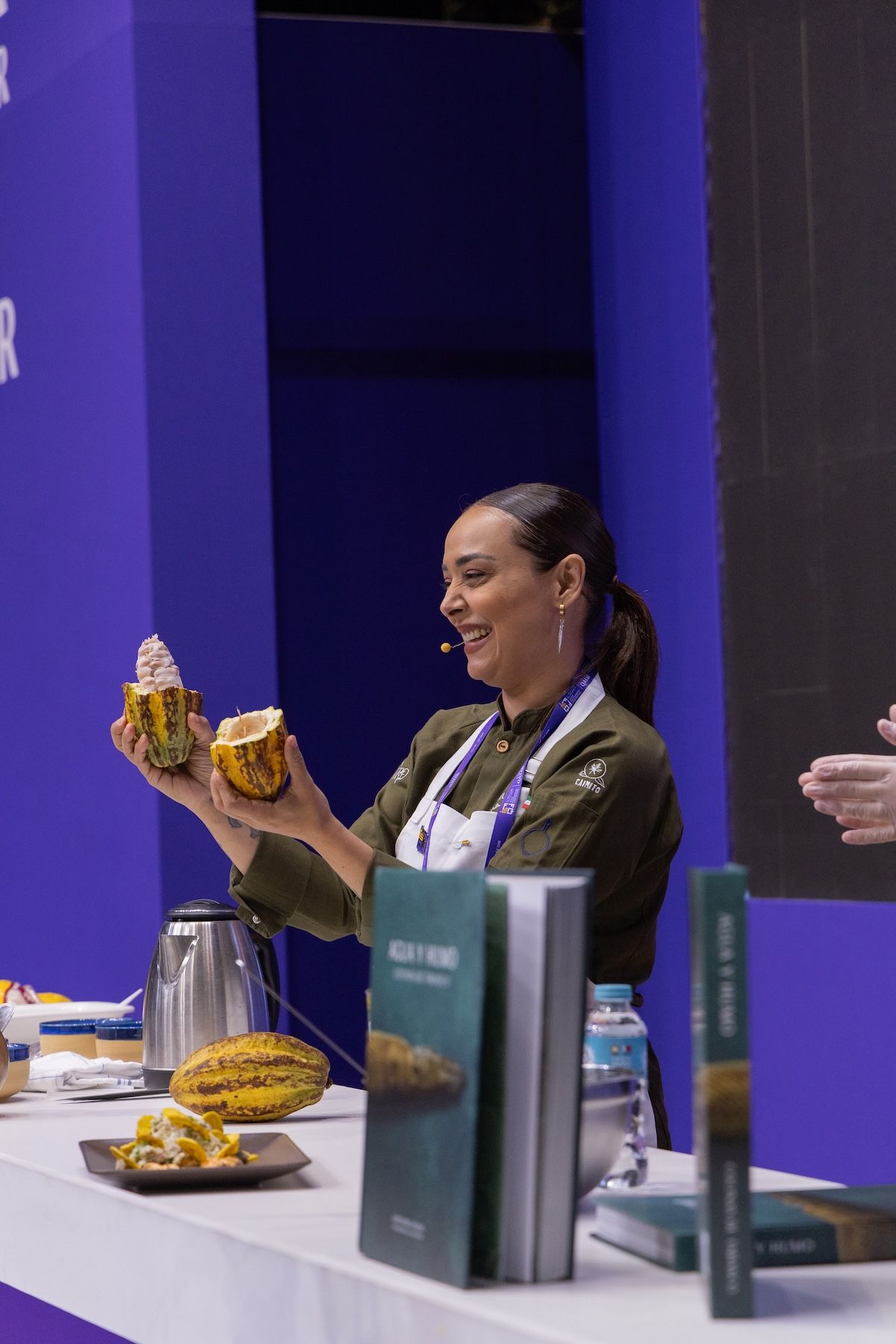
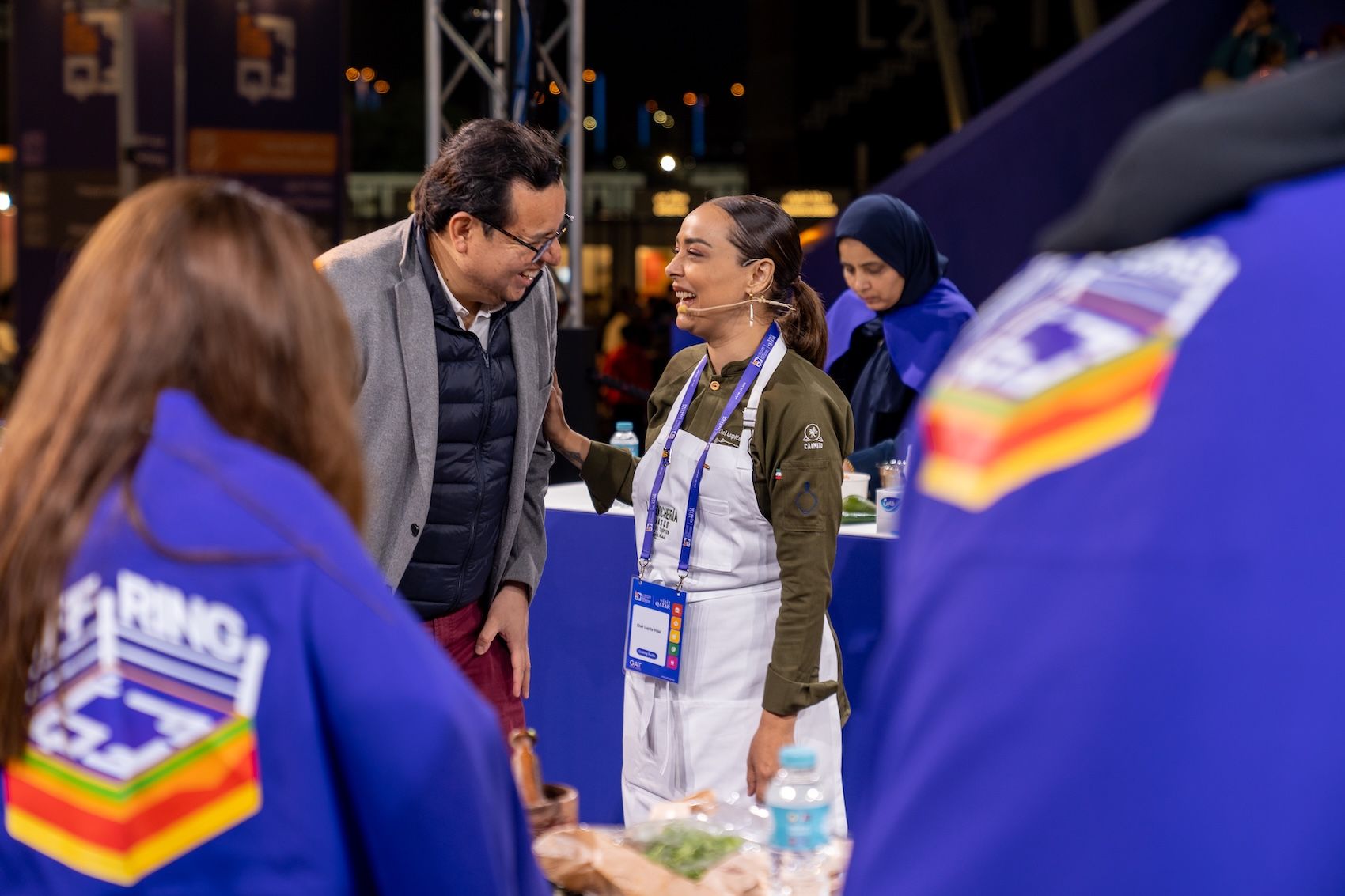
Chef Lupita Vidal is widely recognised as an ambassador of the cuisine of Tabasco, advocating for the visibility of southern Mexican ingredients and traditional cooking methods. Known for her restaurant La Cevichería and successful book project Agua y Humo, she shared ingredients and techniques rooted in southern Mexico with audiences at QIFF.
“I’m a chef from Tabasco, and all my cooking comes from where I grew up: the tropics, the rivers, cacao, corn, and the local markets,” she shared. “Tabasco is a land full of ingredients and culture but for many years it hasn’t been fully recognised in Mexico’s food story.”
Vidal’s work centres on cooking with authenticity and integrity. “My work has been to cook from that place, without changing it to please others, but showing who we really are. For me, food is memory, community, and pride in our roots, and that’s what I bring to every dish.”
On the importance of sharing and preserving these traditional cooking techniques on a global platform, she added, “These techniques come from home, from grandmothers, from communities. They’re not old, they’re still alive today. Sharing them with the world is showing who we are, where we come from, and that tradition is also present and future.”
Through the different immersive experiences at the festival, she hoped that audiences in Qatar gained a broader understanding of Mexican cuisine. Especially that, “Mexico is much more than what people usually know; every region is different. In the south there is tropical food, cacao, rivers, corn, broths, and very vibrant flavours”, and that “our cuisine is about people, land, and culture, not just famous dishes.”
Chef Lupita’s peak moment from QIFF 2026 was deeply personal. “Being able to bring ingredients from my home to Qatar and cook with them there was very special,” she expressed. “But the most meaningful part was seeing the curiosity and respect from the audience. Feeling that Tabasco was there with me, and that I wasn’t alone, I carried a whole community with me.”
Chef Esdras Ochoa and the Power of Street Food
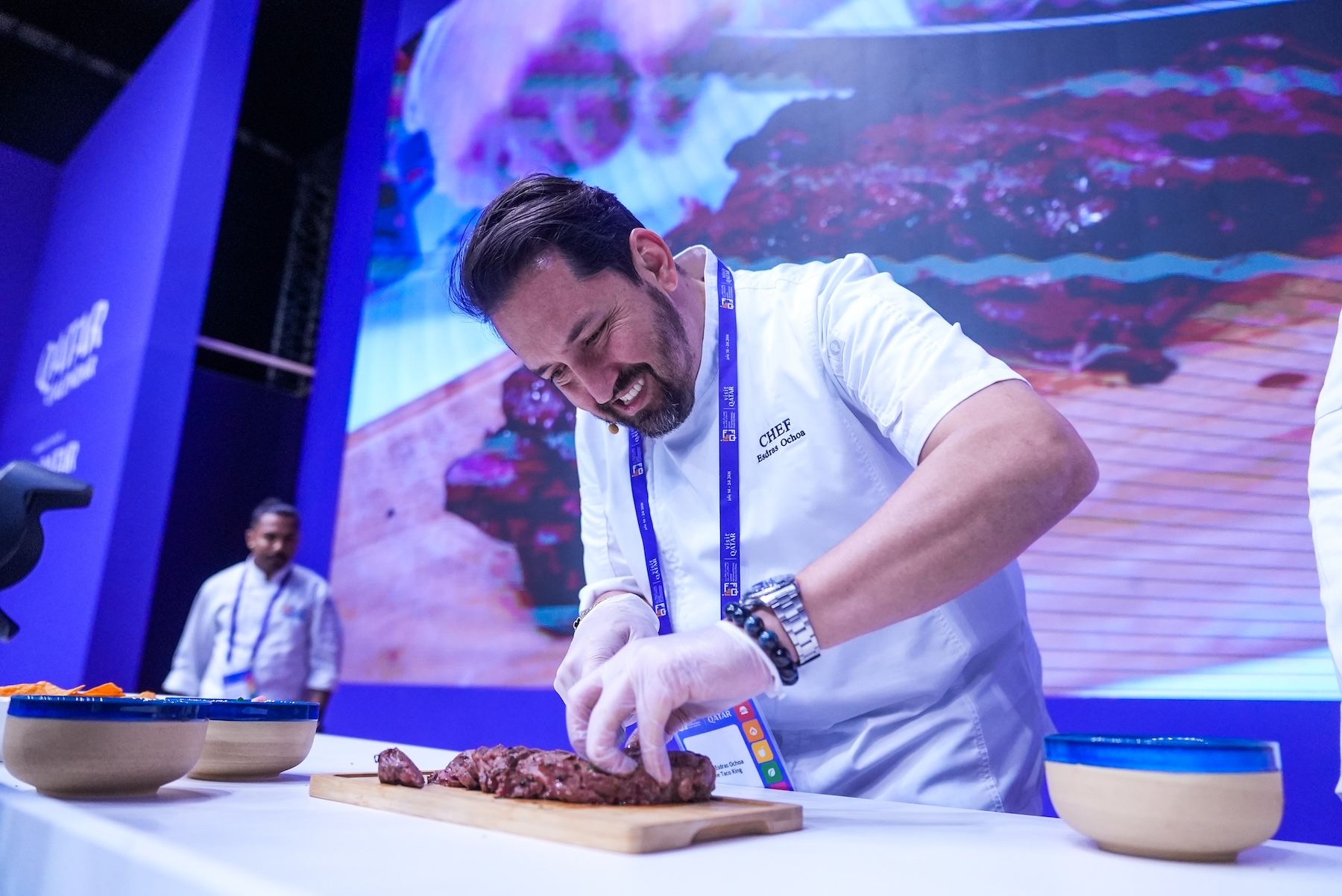
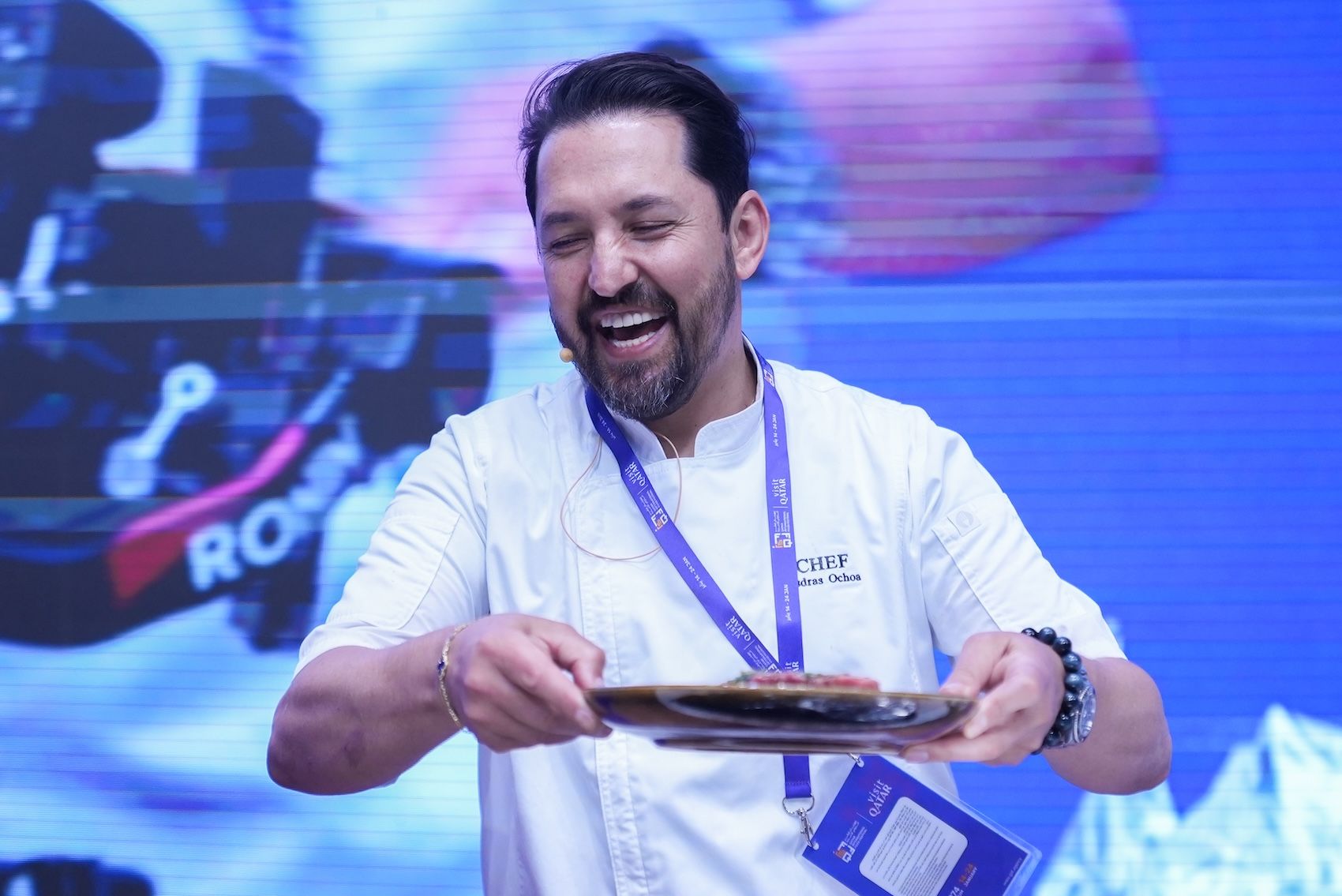
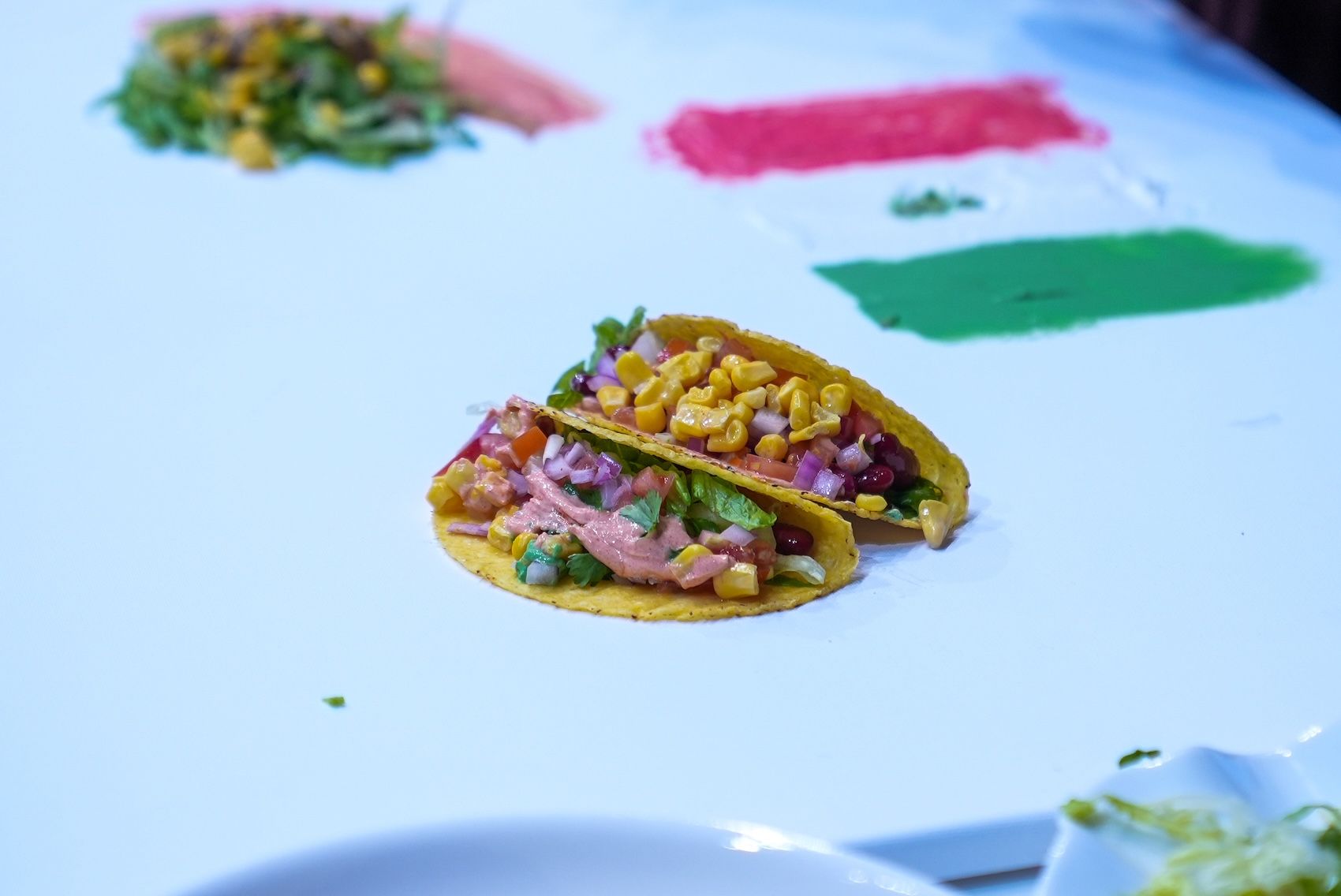
Chef Esdras Ochoa is the founder of Mexicali Taco & Co, and has built his career elevating and honouring authentic Mexican street food. Through his work he has represented Mexico internationally, on a mission “to show the world that Mexican street food is not just fast food, it’s heritage, technique, history, and identity served on a tortilla.”
As a chef, he focuses on “authenticity, high-quality ingredients, and traditional techniques like slow-braised meats, handmade salsas, and nixtamalized corn tortillas.” His approach is about “respecting tradition while presenting it with pride and excellence. Street food is the soul of Mexico. It’s what brings people together at night markets, family gatherings, and celebrations. That spirit of community is at the heart of everything I cook.”
Cooking at QIFF during the Qatar Canada and Mexico 2026 Year of Culture was a real joy. “Being able to share tacos, salsas, and the stories behind them with people from Qatar and around the world felt like contributing to a global conversation about identity and respect for culinary heritage,” he acknowledged.
He hopes audiences in Qatar left with a sense of connection and an “understanding that Mexican cuisine is deeply rooted in tradition and craftsmanship.”
“Every taco has a story,” Chef Esdras Ochoa said as he explained his street food philosophy. “From the farmer who grows the corn to the technique behind the marinade.I also hope they feel the warmth and generosity that defines Mexican culture. If someone tastes my food and feels curiosity about Mexico then I’ve done my job.”
Reflecting on his favourite moment from the festival he added, “Connecting with chefs from different cultures, exchanging ideas, and realising how food truly unites us despite language or geography. Events like QIFF remind me why I became a chef: to share, to teach, and to celebrate culture through food.”
Chef Eva Quintanilla and Contemporary Mexican Comfort Food
Chef Eva Quintanilla is a culinary creator and advocate for reinvented Mexican comfort food, whose work blends traditional techniques with contemporary presentation and digital storytelling.
“For me, tradition is always the starting point,” she explained. “I grew up with Mexican comfort food as something deeply emotional. I respect the core of each dish: the flavours, techniques, and ingredients that make it unmistakably Mexican. Creativity comes in once that foundation is solid. I might adjust textures, presentation, or pairings, but I never want the dish to lose its soul. My goal is to honour where the food comes from while making it feel relevant, approachable, and exciting for today’s audience.”
Chef Eva Quintanilla uses her online platform to tell stories beyond the recipe. “Social media allows me to tell stories beyond the recipe,” she reflected. “I don’t just show how to cook something, I explain why it matters. I talk about origins, traditions, and the everyday Mexican food culture that often gets overlooked. Through short videos, visuals, and personal anecdotes, I try to make people feel connected to Mexico, even if they’ve never been there. Food is my language, but storytelling is how I translate culture for a global audience.”
Chef Eva’s time at QIFF reaffirmed her sense of purpose, with her highlight being able to “represent Mexican cuisine on an international stage while connecting with chefs and creators from different cultures.”
Cultural Dialogue Through Food
The Qatar International Food Festival 2026 served as a meeting point for visitors from Qatar and around the world.
QIFF created space for chefs from Qatar, Canada, Mexico, and beyond to share knowledge and build professional relationships. In doing so, the festival epitomised the cultural ties at the heart of the Years of Culture initiative.
For Chef Eric Chong, the 2026 Year of Culture carries particular significance. “As a Canadian chef of Asian heritage, I naturally exist between cultures. Participating in this initiative reinforces that food is one of the most meaningful ways to build understanding. It is an opportunity to represent Canada’s diversity while honouring my own roots, showing how culinary identity continues to evolve across borders.”
Importantly, the chefs were able to articulate the values behind their work. During live demonstrations and tastings, they offered audiences a deeper understanding of how culinary identity evolves. Chef Eva reflected, “Sharing my perspective, learning from others, and seeing genuine curiosity about Mexican food and culture reminded me why I do what I do. It reaffirmed the power of food as a bridge between worlds.”
Through shared meals, demonstrations and discussions, the festival affirmed food as a practical and immediate form of cultural understanding. As Esdras Ochoa concluded, “food is one of the most powerful cultural ambassadors we have. To represent Mexico…meant carrying not just flavours but history, tradition and national pride.”
Find out more about upcoming events in Qatar as part of the Qatar Canada and Mexico 2026 Year of Culture.
More Articles
This website uses cookies for a better experience.