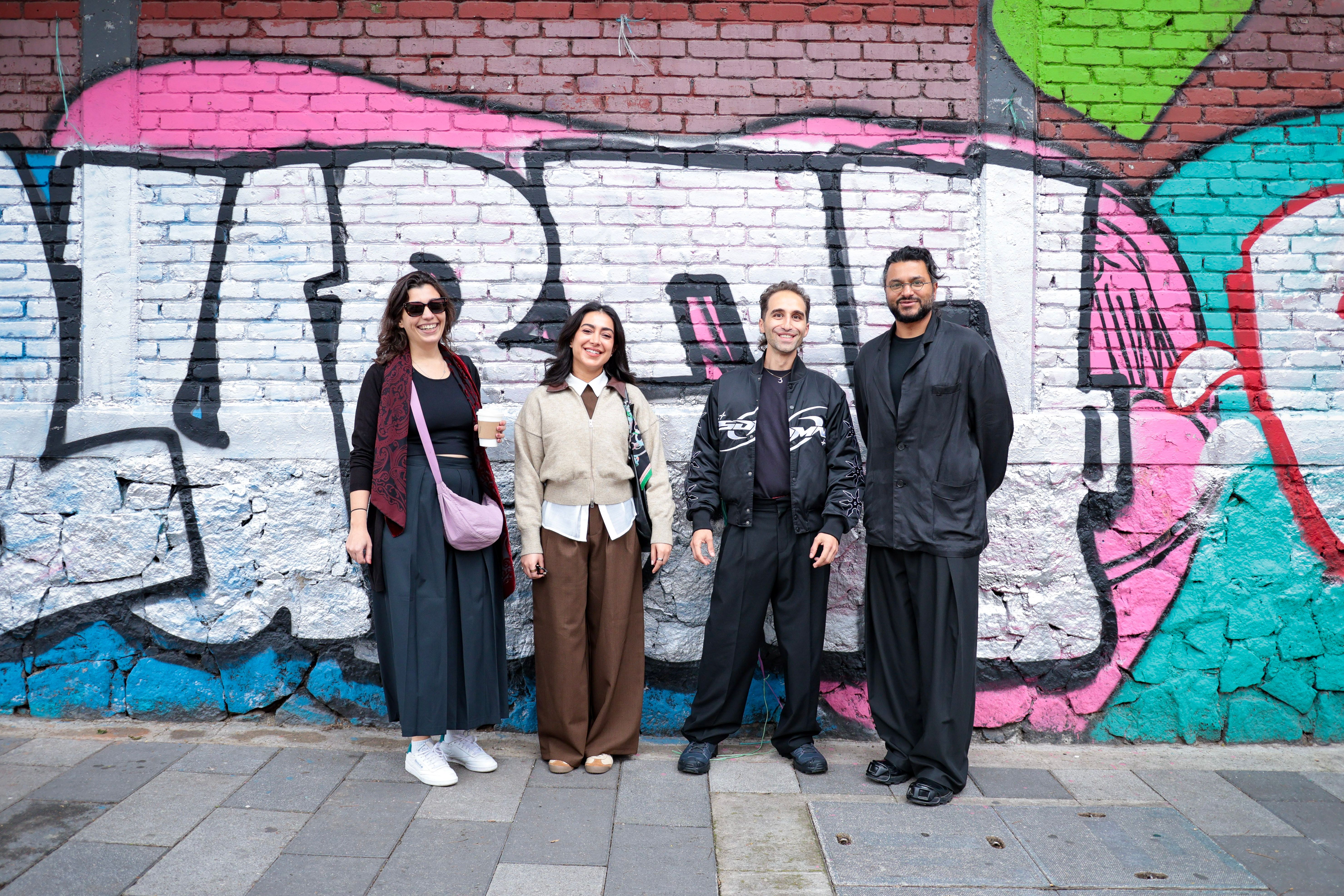
José Cruz was 12 when he first stepped into his father's and uncle's glass workshops. By 17, he was regarded as a master of pepita engraving, a technique that leaves small, seed-like indentations across the surface of glass. Now his hands have shaped an unexpected collaboration with a Syrian designer, and the result is on show at the National Museum of Anthropology in Mexico City.
It is one of four pairings born of a single idea: that the best design begins with listening.
Since 8 October, the museum has hosted Visión y Tradición, part of Design Week Mexico 2026. This year's edition is built around the theme "Perspectives from the Global South," and it places exchange, shared making and different forms of creative knowledge at the centre of the exhibition. It runs until 1 November.
Among the works on view are the outcomes of Crafting Design Futures, a residency developed by Design Doha as part of the Qatar, Canada and Mexico 2026 Year of Culture. Four designers from Qatar and the wider Middle East, North Africa and South Asia (MENASA) region worked beside Mexican master artisans in glass engraving, clay, ceramics and hand-hammered copper.
A lesson in patience
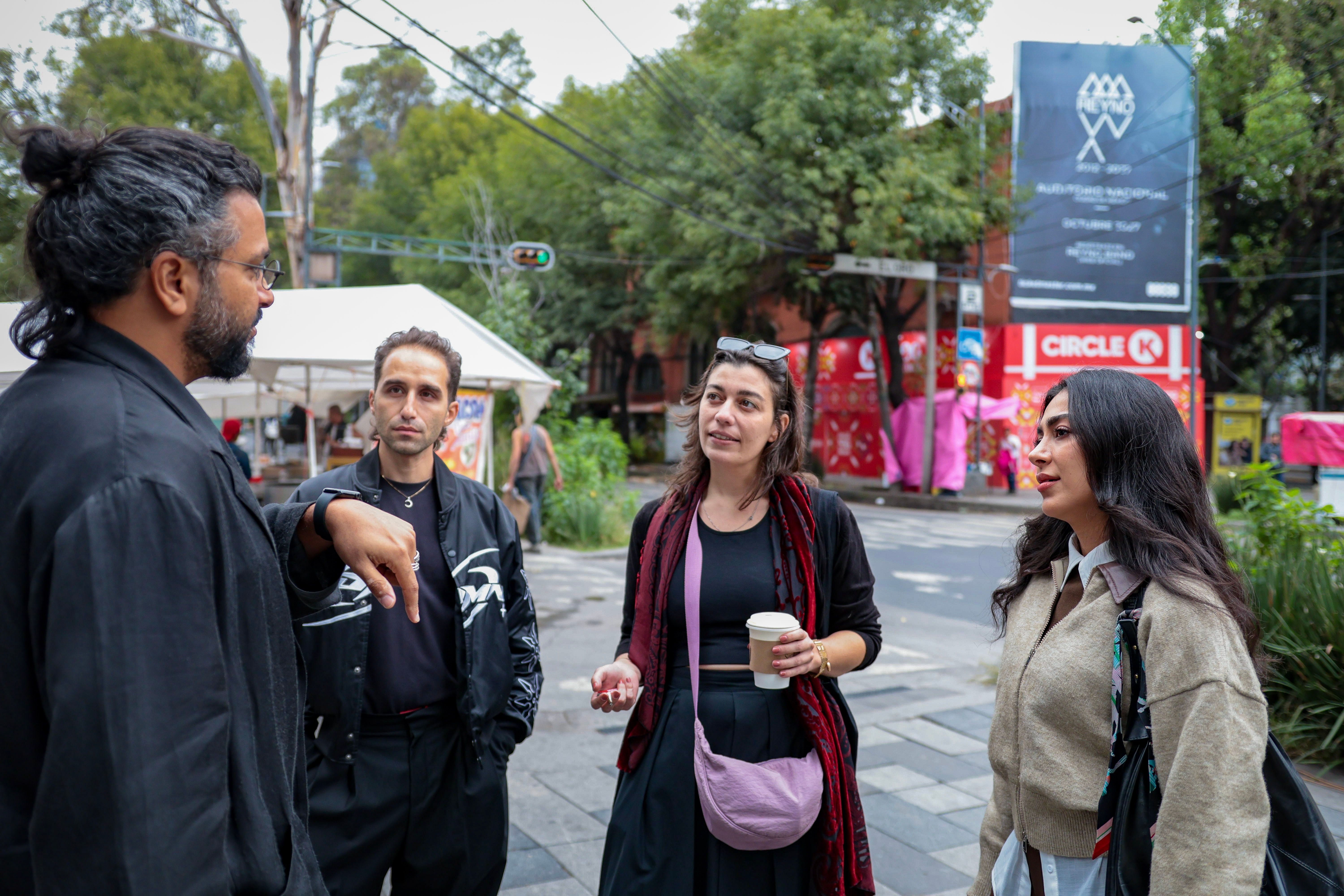
The premise is simple to state and hard to practise. A designer arrives with a concept, and an artisan who has spent years or generations with a material quietly rewrites it.
"One of the most important lessons of Crafting Design Futures is that craft is not simply a means of producing a designer's idea. It is knowledge in its own right," said Fahad Al Obaidly, Director of Design Doha. "We ask our designers to enter these workshops ready to listen and to allow the artisan's experience to change their thinking and ultimately the object itself."
Time, he added, is the key ingredient. "That requires time, which is perhaps one of the greatest luxuries we have today. In a world where design is increasingly shaped by digital tools and speed, working directly with materials and with people who have spent decades understanding them gives designers a very different perspective on value, authorship and collaboration."
The approach also carries an ethic. "It also teaches a more responsible way of working with craft communities by building something together," Al Obaidly said.
Ideas shifted along the way. Each pair developed the work together, and initial concepts changed as the designers met techniques, materials and knowledge built over years, and in some cases generations, of practice. The finished objects carry the designers' intentions and the artisans' hands in equal measure.
Four creative conversations
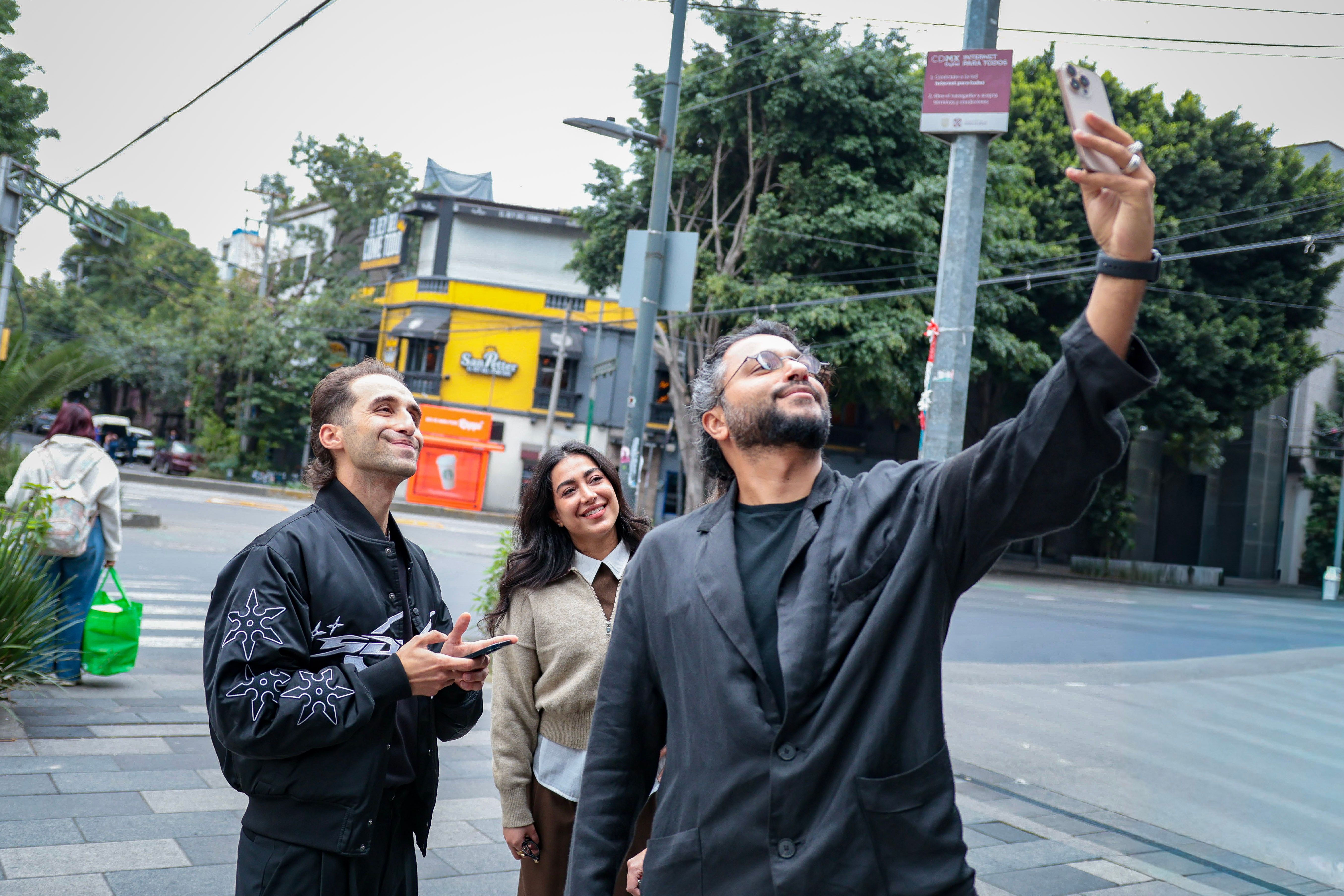
Glass: Kenan Alkuwatly and José Cruz. Alkuwatly, a Syrian designer, draws on the architecture, ornament and material culture of the Arab world. Working with Cruz brought those references into conversation with Mexican engraving traditions, in an exploration of how pattern and surface can carry memory.
Clay: Shirine Sbaiti and Norberto y Rosi. The Lebanese designer and multidisciplinary artist works through LimbObject, a practice that uses human limbs as structural and expressive elements in objects that move between functional design and figurative sculpture. Her partners, Norberto y Rosi, preserve traditions of painted decoration and sgraffito, in which a surface layer is scratched away to reveal a contrasting colour or the clay beneath.
Ceramics and metal: Yasamin Shaikhi and Estudio Guerrero. Shaikhi, an Iranian designer based in Qatar, explores material innovation, memory and the potential of overlooked materials. Estudio Guerrero is known for combining glazed, majolica-type ceramics with ornamental applications of alpaca, or white metal. Their piece grew through experimentation, with the properties of ceramic and metal, and the knowledge of those who work with them, shaping the final form.
Copper: Armaan Bansal and the Pureco family workshop. The British-Indian architect and designer joined Alan Pureco's family workshop, which represents more than three generations of copper craftsmanship. Their collaboration draws on the town's hand-hammered copper tradition to ask how inherited skills can inform contemporary design while keeping their connection to family, material and place.
The story continues in Doha
For readers in Qatar, Mexico City is only the first chapter. Several Years of Culture programmes arriving in Doha this fall follow the same thread, a shared interest in how traditional knowledge can inform contemporary creative practice. The timing is meaningful, as Qatar continues to invest in preserving its own heritage while developing its creative and design sectors.
- Expanded Tradition opens at M7 on 27 October. Curated by Ana Elena Mallet, it brings together makers from across Mexico who are reinterpreting inherited techniques, from silver filigree and natural dyes to textiles and lacquerware.
- Panadería Rosetta arrives in the Doha Design District. Acclaimed chef Elena Reygadas leads the bakery, and Perla Valtierra's handmade ceramics accompany it.
The Sower, by Fernando Laposse, opens during the Design Doha Biennale. It connects Mexican and Qatari traditions through a wider exploration of how traditional knowledge can inspire new creative possibilities.
"Craft is not simply a means of producing a designer's idea. It is knowledge in its own right."
Fahad Al Obaidly, Director of Design Doha
At a glance
- What: Crafting Design Futures collaborations within Visión y Tradición at Design Week Mexico 2026
- Where: National Museum of Anthropology, Mexico City
- When: 8 October to 1 November 2026
- Theme: Perspectives from the Global South
- Designers: Kenan Alkuwatly (Syria), Shirine Sbaiti (Lebanon), Yasamin Shaikhi (Iran, based in Qatar), Armaan Bansal (British-Indian)
- Artisans: José Cruz, Norberto y Rosi, Estudio Guerrero, Alan Pureco's family workshop
To learn more about the initiative behind these stories, visit the About Years of Culture page, and to plan your visit to Doha this fall, browse the Events page.